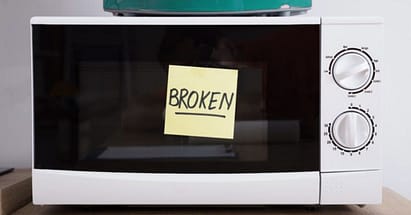
Are you wondering what to do with your old microwave oven? Tossing it in the trash might seem like the easiest option, but it’s far from the best.
Improper disposal can harm the environment and even affect your community’s health. But don’t worry! You’re about to discover smart and eco-friendly ways to dispose of your microwave that will leave you feeling responsible and guilt-free. Keep reading to learn how you can make a positive impact with just a few simple steps.
Your actions today can create a cleaner, healthier world for tomorrow. Ready to get started? Let’s dive into the details!

Credit: nixxitjunk.com
Why Proper Disposal Matters
Properly disposing of your microwave oven is more important than you might think. It’s not just about clearing space in your kitchen or garage. The way you get rid of this appliance affects the environment and your health.
Environmental Impact Of Microwaves
Microwaves contain metals, plastics, and electronic components that don’t break down easily. Tossing them into regular trash leads to these materials piling up in landfills. Over time, toxic substances can leak into the soil and water, harming plants, animals, and even people.
Think about the energy and resources used to make your microwave. If you don’t recycle it properly, all that effort goes to waste. Recycling helps recover valuable materials like copper and steel, reducing the need to mine new resources.
Health Risks From Improper Disposal
Microwaves can contain hazardous materials such as lead, mercury, and cadmium. When these get released into the environment, they can cause serious health problems. Imagine breathing in dust or coming in contact with contaminated water—these risks aren’t just remote possibilities.
Improper disposal can also mean broken parts are left accessible to children or animals. Sharp metal edges and electrical components pose physical dangers. How safe do you feel knowing your old microwave might be causing hidden harm?

Credit: gws.sandbox.iam.s.uw.edu
Preparing Your Microwave For Disposal
Getting your microwave ready for disposal is more than just dragging it out to the curb. Proper preparation protects you, the environment, and anyone who might handle the appliance next. Taking simple steps before disposal can prevent accidents and make the process smoother.
Cleaning And Unplugging
Start by unplugging the microwave to ensure safety. Leaving it plugged in can pose electrical hazards during transport or disposal.
Next, clean the inside thoroughly. Remove all food debris and stains to avoid attracting pests or creating unpleasant odors in disposal facilities.
Using a damp cloth with mild soap usually works well. Avoid harsh chemicals that might damage the microwave or release harmful fumes.
Removing Personal Items
Check inside for any personal items you might have forgotten. Sometimes people store small things like utensils, magnets, or notes inside the microwave.
Removing these items prevents loss and confusion later on. It also shows respect for whoever will handle or recycle the appliance next.
Think about what else could be inside that might cause issues if left behind. Have you ever found something unexpected inside an old appliance?
Eco-friendly Disposal Methods
Eco-friendly disposal methods help reduce waste and protect the environment. Microwaves contain materials that can harm nature if thrown away carelessly. Proper disposal ensures valuable parts get reused or recycled. This lowers pollution and saves resources.
Choosing eco-friendly options is simple and benefits your community. Several ways exist to dispose of microwaves responsibly. Explore these options to find the best fit for your needs.
Recycling Centers Near You
Many local recycling centers accept old microwaves. They safely break down parts to recover metals and plastics. Check your city’s website or call to confirm which centers handle electronics. Drop off your microwave at these locations for proper processing.
Manufacturer Take-back Programs
Some microwave makers offer take-back programs. They allow customers to send back old products for recycling. Visit the manufacturer’s website to see if this service is available. Often, they provide free shipping labels or drop-off points.
Donation And Reuse Options
Working microwaves still have value for others. Donate them to charities, schools, or community centers. This extends the appliance’s life and helps people in need. Verify the microwave is clean and in good condition before donating.
Safe Disposal Alternatives
Getting rid of a microwave oven isn’t as simple as tossing it in the trash. Microwaves contain materials that can harm the environment and even your health if not handled properly. Luckily, there are safe disposal alternatives that protect you and the planet.
Hazardous Waste Collection Events
Many communities organize hazardous waste collection events specifically for items like microwaves. These events allow you to drop off your old appliance safely without worrying about illegal dumping.
Check your local government’s website or community center for upcoming dates. Bringing your microwave to these events ensures it will be handled by experts who know how to manage toxic components.
Have you ever wondered where your old appliances really end up? These events give you peace of mind knowing your microwave won’t pollute landfills.
Certified E-waste Handlers
Certified e-waste handlers specialize in recycling and disposing of electronic appliances properly. They dismantle microwaves to separate hazardous parts like circuit boards and glass tubes from recyclable materials.
Using a certified handler often means your microwave will be recycled responsibly, reducing the need for new raw materials. Many handlers even offer pick-up services, saving you the hassle of transportation.
Before handing over your microwave, ask if the handler is certified and where the materials will go. This transparency helps you make an informed choice and support companies committed to sustainability.
Avoiding Common Disposal Mistakes
Disposing of a microwave oven might seem straightforward, but common mistakes can cause real harm to the environment and your community. Understanding what to avoid helps you make smarter choices that protect natural resources and keep neighborhoods clean. Let’s look at two key pitfalls you should steer clear of when saying goodbye to your old microwave.
Avoiding Landfills
Throwing microwaves into regular trash bins sends them straight to landfills, where harmful chemicals can leak into the soil and water. Many parts of a microwave, like metals and electronic components, can be recycled instead of wasted.
Consider dropping off your microwave at electronic recycling centers or special collection events. Some stores even offer take-back programs when you buy a new appliance. Have you checked if your local waste facility separates electronics for recycling?
Preventing Illegal Dumping
Dumping microwaves in unauthorized places not only breaks the law but also creates eyesores and pollution. It might seem easier to leave it on the curb or in a vacant lot, but that small act can lead to bigger community problems.
Contact local waste authorities or search online for approved disposal sites near you. Sharing this knowledge with friends and family can help stop illegal dumping from spreading. What impact could you make by choosing the right disposal method and encouraging others to do the same?
Tips For Buying Eco-friendly Microwaves
Choosing an eco-friendly microwave can make a big difference in your environmental impact. It’s not just about how you dispose of your old appliance but also about what you bring into your home. Picking the right microwave means thinking beyond the price tag and focusing on energy use and longevity.
Energy Efficiency Ratings
Look for microwaves with high energy efficiency ratings. Appliances with an Energy Star label use less electricity without sacrificing performance. This not only lowers your utility bills but also reduces your carbon footprint.
Check the product specifications for power consumption details. Some models use advanced inverter technology that adjusts power levels more precisely, saving energy during cooking. Have you ever noticed how some microwaves heat food unevenly? Efficient models avoid that waste.
Durable And Repairable Models
Buy a microwave designed to last. Durability means fewer replacements and less electronic waste. Choose brands known for sturdy construction and parts availability.
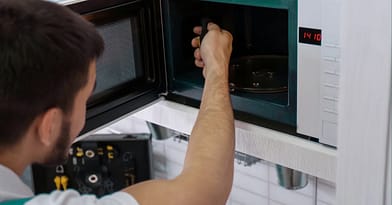
Consider how easy it is to repair the microwave if something breaks. Some manufacturers provide spare parts and repair manuals online. Think about this: Would you rather toss a broken microwave or fix it in minutes with a simple replacement part?
Buying eco-friendly means valuing quality and service over quick fixes. Your choices can encourage companies to produce better, longer-lasting products. Could your next microwave be the last one you ever need to buy?
Credit: nixxitjunk.com
Frequently Asked Questions
How Do I Safely Dispose Of A Microwave Oven?
To safely dispose of a microwave, unplug it and remove any food inside. Take it to a certified e-waste recycling center or a hazardous waste collection site for proper handling.
Can I Throw A Microwave Oven In The Trash?
No, microwaves contain harmful components. Throwing them in regular trash can cause environmental damage. Always use recycling or special disposal options.
Where Can I Recycle An Old Microwave Oven?
You can recycle microwaves at local e-waste centers, some electronics stores, or community hazardous waste events. Check local guidelines for specific drop-off locations.
Is It Safe To Donate A Used Microwave Oven?
Only donate microwaves that are fully functional and clean. Verify the recipient accepts used electronics and meets safety standards before donating.
Conclusion
Properly disposing of a microwave keeps your home safe and clean. Recycling helps save energy and protects the environment. Many places accept old microwaves for disposal or recycling. Always check local rules before throwing it away. Taking a few simple steps makes a big difference.
Small actions matter when caring for our planet. Dispose of your microwave responsibly and feel good about it.