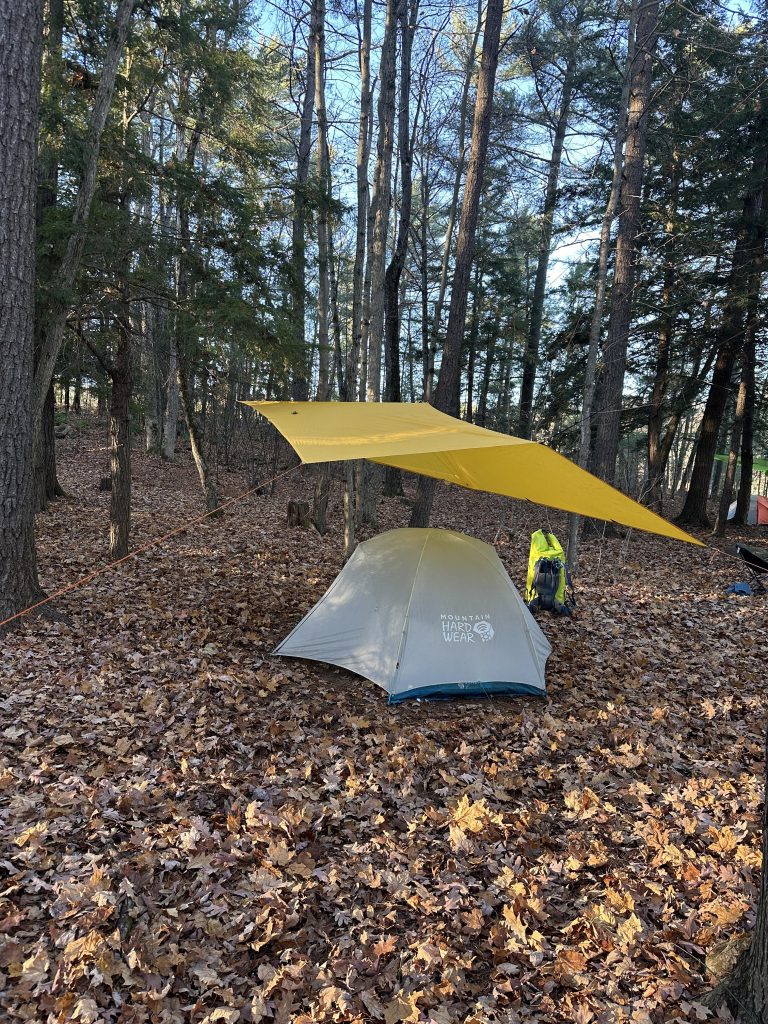
You’ve set up your tent, ready to enjoy the great outdoors—but then the rain starts pouring. What now?
A wet tent can turn your adventure into a soggy mess, ruining your comfort and gear. But don’t worry—you can keep your tent dry and cozy, no matter how hard it rains. In this guide, you’ll discover simple, effective ways to protect your tent from rain.
Follow these tips, and you’ll stay warm and dry, making your camping trip truly enjoyable. Keep reading to learn how to shield your tent from the storm and enjoy every moment outside.

Credit: www.reddit.com
Choosing A Waterproof Tent
Protecting your tent from rain starts with picking the right one. A waterproof tent keeps you dry and comfortable.
We will look at three key features that make a tent waterproof. These help you stay safe in wet weather.
Materials That Resist Water
Tent fabrics must stop water from coming inside. Common waterproof materials include nylon and polyester. These fabrics get a special coating to block water.
- Nylon with polyurethane coating
- Polyester with silicone treatment
- Ripstop fabrics for added strength
- Waterproof floor materials like polyethylene
Seam Sealing Features
Water can enter through tent seams if they are not sealed. Look for tents with sealed or taped seams. This stops water from leaking in at the stitch lines.
| Seam Type | Water Protection |
| Unsealed seams | Water may leak inside |
| Taped seams | Good water resistance |
| Seam sealed with glue | Excellent waterproofing |
Rainfly Importance
The rainfly is a cover that goes over the tent. It shields the tent from rain and helps water run off. A full-coverage rainfly offers the best protection.
Benefits of a good rainfly:
- Prevents rain from hitting the tent walls
- Creates a dry area outside the tent door
- Improves tent ventilation by keeping rain out
Preparing Your Tent Site
Setting up your tent on the right spot helps keep you dry during rain. Choose a good area before pitching your tent.
Prepare the ground well to avoid water pooling and to protect your tent from damage.
Picking Elevated Ground
Look for a high spot to place your tent. Water flows downhill, so elevation keeps your tent dry.
Avoid valleys or low areas where water can collect and flood your tent.
Clearing Debris And Rocks
Clear the ground of sticks, rocks, and leaves before setting your tent. This makes the surface smooth and protects your tent floor.
- Remove sharp objects that can puncture the tent
- Clear away leaves and dirt to prevent moisture buildup
- Level the ground to improve comfort and stability
Setting Up Wind Barriers
Wind can push rain under your tent. Use natural or man-made barriers to block the wind.
| Type of Barrier | How It Helps |
|---|---|
| Trees or Bushes | Blocks wind and rain from one side |
| Large Rocks | Stops wind gusts near the tent |
| Tarp Walls | Creates a shield against strong wind |
Applying Waterproof Treatments
Protecting your tent from rain helps keep you dry and comfortable. Waterproof treatments add a layer of defense against water.
These treatments keep rain from soaking through the fabric. They also extend the life of your tent.
Types Of Waterproof Sprays
Waterproof sprays come in different types. Each type suits different tent materials.
- Silicone-based sprays: Create a strong water barrier. Good for nylon tents.
- Fluoropolymer sprays: Repel water and dirt. Work well on polyester fabrics.
- Wax-based sprays: Add a thick coating. Best for canvas tents.
- Acrylic sprays: Provide light waterproofing. Suitable for lightweight tents.
How To Reapply Sealants
Sealants wear off after some use. Reapplying keeps your tent waterproof.
Clean the tent fabric before you reapply sealant. Apply the sealant evenly with a brush or spray.
- Dry your tent completely before starting.
- Use a gentle cleaner to remove dirt and old sealant.
- Wait for the fabric to dry fully after cleaning.
- Apply the sealant in thin, even layers.
- Let each layer dry before adding another.
Maintaining Fabric Coatings
Good care helps fabric coatings last longer. Avoid harsh chemicals and rough scrubbing.
Store your tent dry and clean. Check the coating regularly and touch up as needed.
- Keep your tent clean by brushing off dirt after trips.
- Do not machine wash or dry your tent.
- Store your tent in a cool, dry place.
- Reapply waterproof treatments at least once a year.
- Fix small tears or holes promptly to protect coatings.
Credit: alpkit.com
Setting Up Your Tent For Rain
Rain can make camping hard if your tent is not ready. Setting up your tent the right way keeps you dry and safe. Use these tips to prepare your tent for wet weather.
Proper setup helps stop water from getting inside. It also protects the tent fabric and the ground underneath. Follow these steps to keep your tent dry during rain.
Proper Rainfly Installation
The rainfly is a cover that protects your tent from rain. It must be put on tightly and correctly. Make sure the rainfly extends beyond the tent walls. This stops rain from dripping inside.
- Check for holes or tears before use.
- Attach all rainfly clips and fasteners securely.
- Pull the rainfly tight to avoid sagging.
- Leave space for air to flow under the rainfly.
- Ensure the rainfly covers the tent’s doors and windows.
Tightening Tent Stakes And Guy Lines
Strong winds often come with rain. Tight stakes and guy lines keep your tent stable. Loose lines let rainwater pool on the tent fabric. Tighten all stakes and guy lines before the rain starts.
| Task | Tip |
| Drive stakes firmly | Use a mallet to push stakes at a 45° angle |
| Check guy lines | Tighten and adjust knots to avoid slack |
| Place stakes | Position stakes away from tent corners for better hold |
| Recheck lines | After tightening, test tension by gently pulling lines |
Using A Groundsheet Or Footprint
A groundsheet protects the bottom of your tent from wet and rough ground. It also stops water from seeping through. Use a footprint made for your tent size or a durable tarp.
Keep these points in mind when using a groundsheet:
- Place the groundsheet flat and smooth under your tent.
- Make sure it does not stick out beyond the tent edges.
- Trim excess groundsheet if needed to avoid rain runoff pooling.
- Choose waterproof material for best protection.
Additional Rain Protection Tips
Rain can make camping uncomfortable and damage your gear. Taking extra steps helps keep your tent dry. These tips improve your shelter against rain.
Use simple methods to add protection and reduce moisture inside your tent. This keeps your camping experience safe and pleasant.
Creating A Tent Vestibule
A vestibule adds a dry area outside your tent door. It protects your entrance from rain and mud. You can store wet shoes and gear here.
- Use the tent’s rainfly to create the vestibule space.
- Secure the vestibule with stakes and guylines.
- Keep gear inside the vestibule to avoid bringing dirt into the tent.
- Check that the vestibule slopes away to drain rainwater.
Using Tarps For Extra Coverage
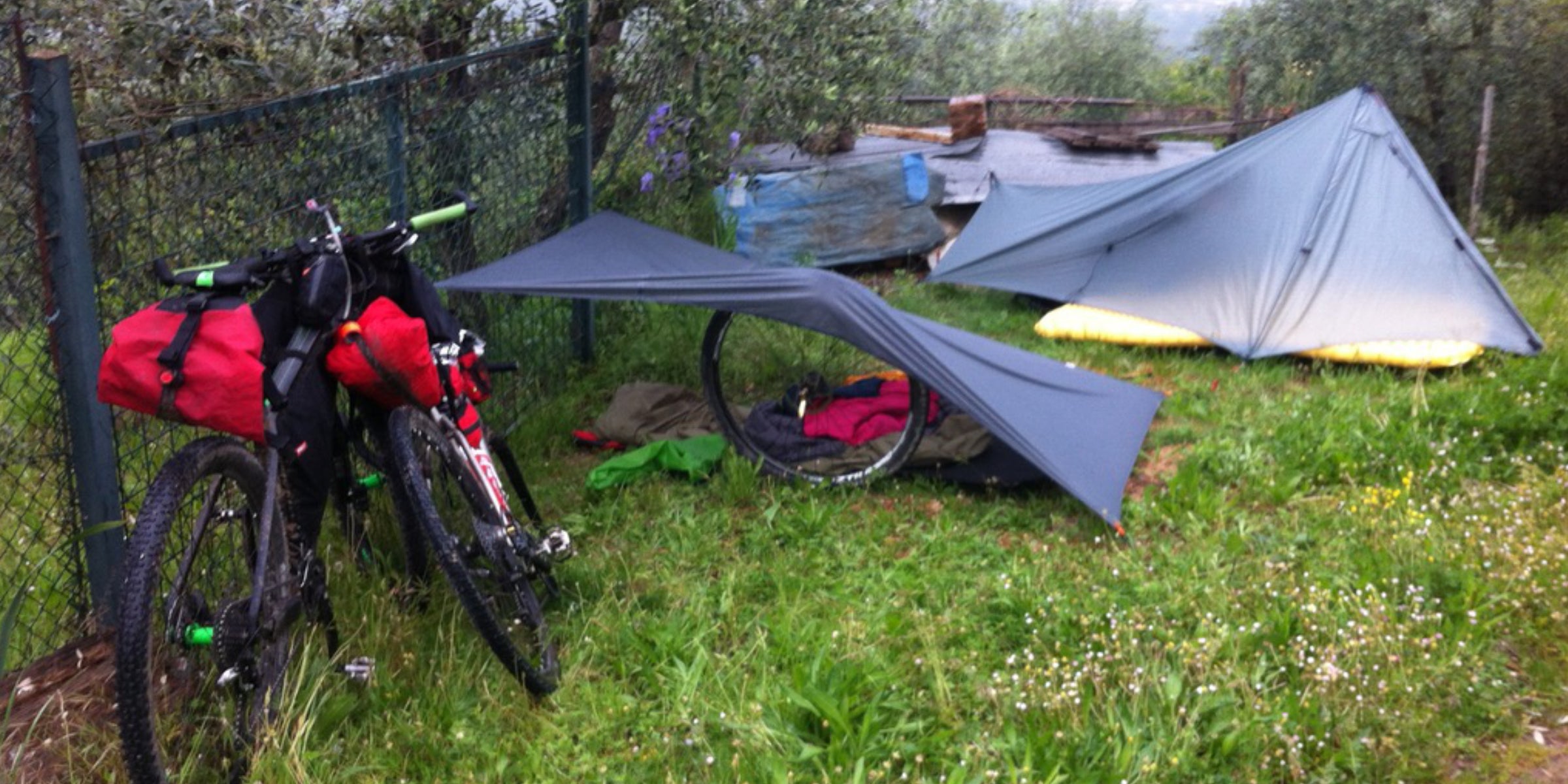
Tarps add a strong layer of rain protection. You can place them under or over your tent for extra coverage. They also protect the ground from soaking.
| Use | Benefit |
| Under the tent | Prevents ground moisture from seeping in |
| Over the tent | Increases waterproofing and shields from heavy rain |
| As a shelter extension | Creates dry space outside the tent |
Ventilation To Prevent Condensation
Good airflow stops condensation inside your tent. Wet air forms when you breathe or cook inside. Ventilation keeps the tent dry and comfortable.
Try these tips for better ventilation:
- Open tent vents or windows slightly, even in rain.
- Use mesh panels to allow air but keep insects out.
- Avoid blocking vents with gear or clothing.
- Set up the tent facing the wind direction for airflow.

Credit: www.amazon.com
Drying And Storing After Rain
After a rainy trip, drying your tent properly is very important. Wet tents can develop mold and smell bad. Storing a damp tent will damage the fabric and reduce its life.
In this guide, we focus on how to dry, clean, and store your tent safely after rain. Follow these tips to keep your tent ready for your next adventure.
Air Drying Techniques
Find a shady, well-ventilated spot to dry your tent. Avoid direct sunlight as it can weaken the fabric. Spread the tent out fully and hang it if possible.
- Use tent poles to keep the shape
- Hang the tent on a clothesline or tree branches
- Open all doors and windows for better airflow
- Flip the tent after a few hours to dry both sides
Cleaning Mud And Dirt
Remove mud and dirt before drying your tent. Let mud dry first, then brush it off gently. Use water and mild soap for stubborn stains. Avoid harsh chemicals that damage fabric.
| Cleaning Tip | Do | Don’t |
|---|---|---|
| Removing mud | Let dry then brush off | Scrub wet mud hard |
| Washing | Use mild soap and water | Use bleach or strong detergents |
| Drying | Air dry in shade | Use dryer or direct sun |
Proper Storage Practices
Store your tent dry and loosely packed. Avoid tight bags that trap moisture. Use a large breathable storage bag or hang the tent in a dry room.
- Clean and dry before storing
- Keep away from direct sunlight and heat
- Store in a cool, dry place
- Check the tent regularly for damp spots
Frequently Asked Questions
How Can I Waterproof My Tent For Rain?
To waterproof your tent, apply a durable water repellent (DWR) spray. Seal the seams using a seam sealer to prevent leaks. Use a rainfly for extra protection and ensure it’s properly attached. Regular maintenance of your tent’s waterproof features will help keep it rain-ready.
What Materials Are Best For A Rainproof Tent?
For a rainproof tent, choose materials like polyester or nylon with a high denier count. These materials are treated for waterproofing and durability. Look for tents with a strong rainfly and sealed seams. Proper material selection ensures your tent withstands heavy rain and keeps you dry.
Should I Use A Ground Tarp Under My Tent?
Yes, using a ground tarp under your tent is beneficial. It provides an extra layer of protection against moisture from the ground. Ensure the tarp is slightly smaller than your tent’s floor. This prevents water from pooling under the tent during rain, enhancing its rainproof capabilities.
How Do I Set Up A Tent In The Rain?
Set up your tent quickly and efficiently during rain. Choose a high, well-drained area away from water paths. Assemble the rainfly first to shield the tent while setting it up. This method keeps the tent’s interior dry, even when it’s raining.
Conclusion
Protecting your tent from rain takes simple steps and good habits. Use a waterproof cover and seal all seams well. Set your tent on higher ground to avoid water pooling. Keep your tent clean and dry when not in use.
These tips help keep you comfortable and dry inside. Enjoy your outdoor adventure without worrying about rain. Stay prepared, stay safe, and keep your gear in top shape. Camping in wet weather can be fun with the right care.