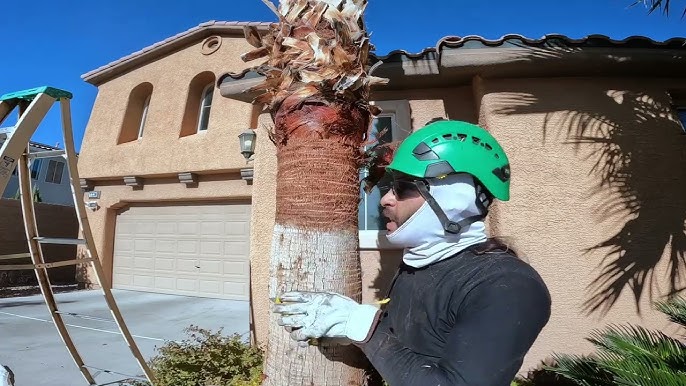
Your palm trees bring a tropical touch and beauty to your outdoor space. But when freezing temperatures hit, they can suffer serious damage.
You don’t want to lose those graceful fronds or watch your trees struggle to survive. Protecting your palm trees from freeze is easier than you think, and the right steps can keep them healthy all winter long. You’ll discover simple, effective ways to shield your palms from the cold and ensure they thrive year after year.
Keep reading to learn how to save your trees before the freeze arrives.
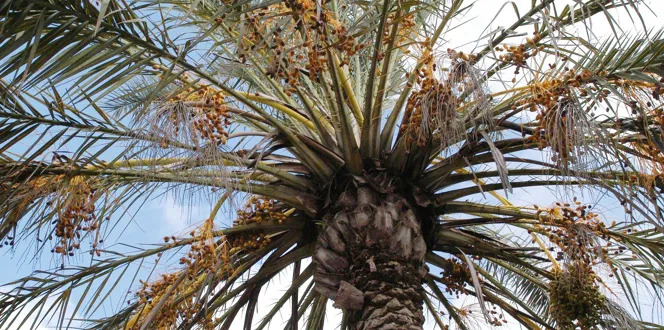
Credit: blog.davey.com
Signs Of Freeze Damage
Palm trees bring a touch of the tropics to any landscape. They thrive in warm climates, but cold spells can harm them. During freezing weather, palm trees show specific signs of damage. Spotting these signs early helps in taking quick action.
Identifying Frostbite On Palm Leaves
Frostbite on palm leaves appears as brown tips or edges. The leaves might also show a dull, grayish color. This discoloration indicates cell damage from freezing temperatures. Another sign is drooping or wilting fronds, which look lifeless.
Impact On Palm Trunk And Roots
The trunk of the palm may show cracks or splits. These cracks occur when water inside the trunk freezes and expands. The roots can also suffer from freeze damage. Affected roots might not absorb water properly, leading to tree stress.
Preparing Palms Before Winter
Preparing palm trees before winter helps them survive cold temperatures. Taking the right steps early reduces freeze damage. Focus on pruning and watering to keep palms healthy. These actions prepare palms for harsh weather.
Pruning Dead Or Weak Fronds
Remove dead or weak fronds to improve palm health. This prevents disease and pest problems. Use clean, sharp tools for pruning. Cut fronds close to the trunk without damaging it. Do not remove too many healthy fronds. Leaving enough fronds protects the palm’s core from cold.
Watering Strategies For Cold Weather
Water palms deeply before cold spells. Moist soil holds heat better than dry soil. Avoid overwatering, which can cause root rot. Stop watering during freezing weather to protect roots. Use mulch around the base to keep soil warm. Mulch also reduces water evaporation in winter.
Choosing The Right Protection Materials
Choosing the right materials to protect palm trees from freeze is essential. The right cover keeps the tree warm and safe during cold nights. Some materials trap heat better, while others allow air to flow. Selecting the right one ensures the tree survives without damage.
Frost Cloths And Blankets
Frost cloths are light and breathable fabrics designed to trap heat. They keep warmth close to the tree but still let moisture escape. Blankets, like old bed sheets, also work well for short-term protection. Both cover the palm’s fronds and shield them from frost.
- Frost cloths are reusable and easy to handle.
- Blankets work best on clear, dry nights.
- Secure covers with ties or stakes to avoid wind damage.
Insulation Wraps And Heat Sources
Insulation wraps add a thick layer of protection around the trunk. They block cold air and keep the inner tissue warm. Heat sources like string lights or heat lamps can raise temperature slightly under the cover. Use these carefully to avoid fire risks.
- Wrap the trunk tightly but do not suffocate the tree.
- Use low-wattage, outdoor-safe lights for warmth.
- Check regularly to prevent overheating or moisture buildup.

Credit: www.epicgardening.com
Techniques To Shield Palms From Freeze
Protecting your palm trees from freeze requires simple yet effective techniques that you can apply before the cold hits. Each method helps maintain your palm’s health and appearance despite harsh winter conditions. Let’s look at practical ways you can shield your palms and keep them thriving.
Wrapping The Trunk And Fronds
Wrapping the trunk and fronds is a straightforward way to protect your palm from freezing temperatures. Use materials like burlap, frost cloth, or even old blankets to cover the trunk and fronds tightly. This traps heat and prevents frost from settling directly on the plant’s delicate parts.
Make sure the wrap is secure but not too tight to avoid damaging the bark. I once saved a young palm by wrapping it after a surprise freeze; it made a noticeable difference in its recovery. Would your palms benefit from extra insulation during cold nights?
Using Heat Lamps And String Lights
Heat lamps and string lights can provide gentle warmth to your palm trees during cold spells. Wrap outdoor-rated string lights around the trunk and fronds—avoid LED lights as they don’t generate enough heat. Traditional incandescent bulbs work well to raise the temperature slightly.
Position heat lamps carefully to avoid scorching the leaves. This technique works best in small to medium-sized palms, especially when combined with wrapping. Have you tried adding warmth with lights before, or is this an idea you’re ready to experiment with?
Creating Wind Barriers
Cold winds can worsen freeze damage by rapidly lowering the temperature around your palms. Building wind barriers using materials like wooden panels, garden fences, or even dense shrubs can block chilling gusts. Position barriers on the windward side to protect your palms effectively.
Wind barriers don’t just reduce cold stress—they also prevent moisture loss from the fronds. Try setting up a temporary barrier during winter months and watch how your palms respond. Could a well-placed shield be the missing piece in your freeze protection strategy?
Post-freeze Care And Recovery
After a freeze, palm trees need careful attention to recover well. Cold can damage leaves and stems, slowing growth or causing death if untreated. Post-freeze care helps palms regain strength and thrive again.
Assessing Damage After Cold Spells
Check your palm tree for damage soon after the freeze. Look for blackened or wilted leaves. Brown tips and soggy stems show freezing injury. Avoid touching frozen parts until they thaw.
Note which fronds remain green and healthy. These will support new growth. Keep an eye on the trunk for cracks or soft spots. Damaged trunks need extra care to prevent disease.
Pruning And Fertilizing For Regrowth
Remove only fully dead fronds. Cutting too early can harm the tree. Use clean tools to avoid infection. Prune slowly to encourage healthy growth.
Apply a balanced fertilizer after pruning. This helps the tree recover nutrients lost to cold. Use fertilizer with nitrogen, potassium, and magnesium for best results. Water the palm regularly but avoid overwatering.
Credit: www.bnd.com
Selecting Cold-hardy Palm Varieties
Choosing the right palm tree is key to surviving cold weather. Some palms handle low temperatures better than others. Selecting cold-hardy varieties reduces damage during freezes. It also helps your garden stay green and healthy.
Cold-hardy palms have thicker trunks and tougher leaves. They can survive frost and short freezes. These palms come from cooler regions, so they adapt well. Planting such varieties saves effort on extra protection.
Best Palms For Cooler Climates
- Windmill Palm (Trachycarpus fortunei):Very cold-tolerant, can handle temperatures below 5°F (-15°C).
- Mediterranean Fan Palm (Chamaerops humilis):Hardy to about 10°F (-12°C), compact and bushy.
- Pindo Palm (Butia capitata):Survives down to 15°F (-9°C), with edible fruit.
- Needle Palm (Rhapidophyllum hystrix):One of the hardiest, tolerates 0°F (-18°C) or lower.
- European Fan Palm (Chamaerops humilis var. cerifera):Handles cold well and has blue-green leaves.
Planting Tips For Freeze Resistance
- Plant palms in sunny, sheltered spots to reduce cold exposure.
- Choose well-draining soil to prevent root rot during cold, wet weather.
- Mulch around the base to keep roots insulated from cold.
- Space palms properly to allow air circulation and reduce frost damage.
- Water palms before a freeze to keep tissues hydrated and stronger.
Frequently Asked Questions
How Can I Protect Palm Trees From Freezing Temperatures?
Cover palm trees with frost cloths or blankets before freeze events. Use stakes to keep coverings off leaves. Water soil deeply to retain heat. Avoid plastic covers as they trap moisture. Mulch around the base to insulate roots. Remove coverings after sunrise to prevent overheating.
What Materials Are Best For Wrapping Palm Trees In Cold?
Use breathable fabrics like frost cloth, burlap, or old blankets. These materials protect from frost while allowing air circulation. Avoid plastic sheeting since it traps moisture and damages leaves. Proper wrapping helps retain heat and prevents freeze injury effectively.
When Should I Start Protecting Palm Trees From Frost?
Begin protection when temperatures drop near 32°F (0°C). Monitor weather forecasts closely during cold seasons. Start wrapping and mulching before the first frost. Early preparation reduces freeze damage risks and helps palm trees survive cold snaps.
Can Watering Palm Trees Help During Freezing Weather?
Yes, watering before a freeze helps soil retain heat. Moist soil warms more slowly than dry soil. Water deeply in the afternoon before cold nights. Avoid watering frozen soil or during freezing temperatures to prevent root damage.
Conclusion
Protecting palm trees from freeze saves their health and beauty. Covering them with blankets or frost cloth works well. Watering the soil before cold nights helps keep roots warm. Using lights or heaters can add extra warmth if needed. Watch weather forecasts to prepare early for cold spells.
Taking these steps keeps palms safe through winter. Enjoy your green, healthy palms all year long. Small efforts make a big difference in their survival. Stay ready and your palms will thrive despite the cold.