Are you worried about your pool equipment surviving the winter chill? You’re not alone.
Many pool owners face the same dilemma as temperatures drop, wondering how to keep their beloved backyard oasis safe from freezing damage. The stakes are high—ignoring the issue could lead to costly repairs and a delayed start to your swimming season.
But don’t worry; we’ve got you covered. You’ll discover straightforward, effective strategies to safeguard your pool equipment from freezing. These tips are not just easy to implement but will also save you time and money in the long run. Curious to learn how you can protect your investment and enjoy a worry-free winter? Keep reading to find out!

Credit: www.reddit.com
Winter Risks For Pool Equipment
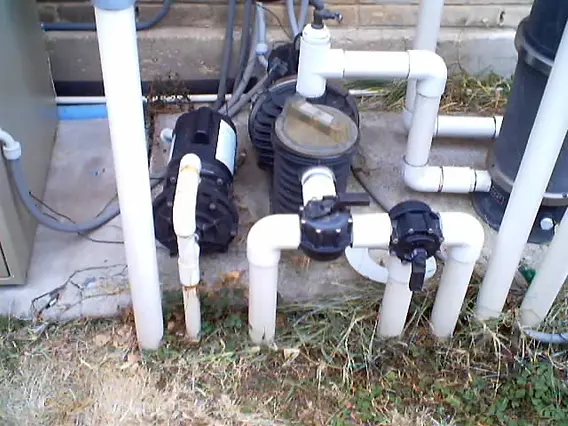
Winter brings harsh conditions that can harm pool equipment. Freezing temperatures cause water inside pipes and machinery to expand. This expansion can lead to cracks and breaks, damaging costly parts. Protecting pool equipment during cold months is crucial. Understanding winter risks helps prevent expensive repairs and keeps your pool ready for warmer days.
Common Damage From Freezing
- Cracked pipes due to water expansion
- Broken pump seals and housings
- Damaged filter tanks from ice pressure
- Corroded metal parts from moisture
- Electrical component failure in freezing cold
Vulnerable Pool Components
- Pool pumps that hold water inside
- Filter systems with delicate seals
- Heaters exposed to cold air
- Valves and pipes made of plastic or metal
- Automation controls sensitive to frost
Preparing Your Pool For Cold Weather
Preparing your pool for cold weather is essential to avoid damage. Freezing temperatures can crack pipes and harm pumps. Taking simple steps protects your investment and saves money on repairs. Proper preparation also ensures your pool stays in good condition for the next season.
Draining Water From Equipment
Remove all water from pumps, filters, and heaters. Water left inside can freeze and cause cracks. Open drain plugs and valves to let water flow out. Use a wet/dry vacuum to clear hard-to-reach areas. Make sure no water remains inside the equipment before winter.
Using Antifreeze Safely
Pool antifreeze protects pipes from freezing without harming the environment. Use only pool-safe antifreeze products. Pour antifreeze into all pool lines after draining water. Avoid automotive antifreeze; it is toxic and unsafe for pools. Follow the product instructions carefully to apply the right amount.
Insulating Pipes And Pumps
Wrap exposed pipes with foam insulation sleeves. Cover pumps with insulated blankets or pads. Secure insulation with tape or zip ties to hold it in place. Insulation keeps cold air away and prevents freezing. Check insulation regularly during winter for damage or wear.
Covering And Securing Equipment
Covering and securing pool equipment is vital to prevent damage from freezing temperatures. Proper protection reduces the risk of costly repairs and extends the life of your equipment. Using the right covers and installing them correctly blocks cold air and moisture. This keeps pumps, filters, and pipes safe through winter months.
Effective coverage also stops debris and pests from entering the equipment area. Securing covers tightly ensures they stay in place during strong winds or storms. Taking these steps protects your pool system and saves money in the long run.
Types Of Protective Covers
- Insulated Covers:Thick layers trap heat and block cold air. Ideal for pumps and filters.
- Plastic Sheeting:Affordable option that keeps moisture out. Best for short-term protection.
- Fabric Covers:Breathable materials prevent mold and mildew buildup. Suitable for sensitive parts.
- Custom-Fit Covers:Designed to fit specific equipment shapes. Offers the best seal and protection.
- Foam Wraps:Used to insulate pipes and smaller parts. Easy to apply and remove.
Proper Installation Tips
- Clean equipment before covering to avoid trapping dirt or moisture.
- Secure covers with straps or bungee cords to prevent slipping.
- Leave small vents or openings for air circulation to avoid condensation.
- Check covers regularly and adjust if wind or weather moves them.
- Cover all exposed parts, including pipes and connections.
- Use tape or clamps to seal edges tightly without damaging surfaces.
- Remove covers during warm days to let equipment dry out.

Credit: nonstopswim.com
Maintaining Equipment During Winter
Maintaining pool equipment during winter keeps it safe from freezing damage. Cold weather can cause pipes and pumps to crack. Proper care extends the life of your pool system. It saves money on repairs and replacements. Simple steps can protect your investment all season long.
Regular Inspections
Check your pool equipment often during winter. Look for cracks or leaks in pipes and fittings. Inspect the pump and filter for any signs of damage. Clear away debris that can block water flow. Tighten loose bolts and connections. Early detection stops small issues from growing.
Running Equipment Periodically
Run your pool pump and filter for a short time each week. Moving water helps prevent freezing inside pipes. It also keeps seals moist and parts working well. Set a timer to avoid running equipment too long. This simple step keeps everything ready for spring use.
Professional Winterization Services
Professional winterization services offer expert care to protect pool equipment during cold months. These services ensure your pool system stays safe from freezing damage. Experts handle delicate parts with skill and use proper tools to prepare your pool for winter. Trusting professionals reduces risks and saves time.
When To Hire Experts
Call professionals if you feel unsure about winterizing. Complex systems need careful handling to avoid costly repairs. Experts are helpful when:
- Your pool has advanced or multiple pumps.
- Freezing temperatures last for many days.
- You want to avoid mistakes in draining and sealing.
- You lack time or tools for proper winter care.
Benefits Of Professional Care
Hiring pros guarantees thorough protection for your pool equipment. Their work includes:
- Draining water from pipes and pumps correctly.
- Using antifreeze safely in necessary areas.
- Sealing openings to stop cold air inside.
- Checking equipment for damage before winter.
- Saving you money by preventing freeze damage.
Experts bring peace of mind and extend your pool’s lifespan.

Credit: www.youtube.com
Emergency Measures For Freezing Conditions
Freezing conditions can strike unexpectedly, putting your pool equipment at serious risk. Taking emergency measures quickly can save you from costly repairs and downtime. Knowing how to act fast and effectively is crucial to protect your investment during a sudden cold snap.
Quick Fixes To Prevent Damage
If you notice temperatures dropping rapidly, start by draining water from all exposed pipes and equipment. Water expands when it freezes, and even a small amount left inside can cause cracks or burst pipes.
Wrap your pool pump, filter, and exposed pipes with insulated blankets or foam covers. You can also use towels or old blankets if specialized covers aren’t available. Securing these covers with duct tape or rope helps keep cold air out.
Keep a slow drip running through your pool’s plumbing system. Moving water is less likely to freeze, so this simple trick can prevent ice buildup inside pipes.
Dealing With Frozen Equipment
Frozen pool equipment needs careful handling. Never try to force or hammer parts that are stuck; this can cause permanent damage.
To thaw frozen pipes or pumps, use warm towels or a hairdryer on a low heat setting. Avoid open flames or high heat, which can crack plastic and metal components.
If you find cracks or leaks after thawing, shut off the system immediately and schedule repairs. Ignoring early signs of damage can lead to bigger problems and higher repair costs.
Have you ever faced a freezing emergency with your pool? How did your quick actions help prevent damage?
Frequently Asked Questions
How Can I Prevent Pool Pipes From Freezing?
Insulate exposed pool pipes with foam sleeves or insulation tape. Drain water from pipes if possible. Use heat tape for extra protection during extreme cold.
What Is The Best Way To Winterize Pool Equipment?
Drain all water from pumps, filters, and heaters. Store equipment indoors if possible. Use antifreeze in plumbing lines designed for pools to prevent freezing damage.
Should I Keep My Pool Pump Running In Winter?
Running the pool pump during cold snaps helps circulate water and prevents freezing. Turn it off only when temperatures are consistently above freezing.
How Do Pool Covers Help Protect Equipment From Freezing?
Pool covers reduce heat loss by trapping warmth. They also prevent debris buildup, which can freeze and damage equipment. Use insulated covers for added protection.
Conclusion
Protecting pool equipment from freezing keeps it working longer. Drain water from pipes and pumps before cold weather hits. Use insulation or covers to guard against frost. Check equipment regularly during winter to spot problems early. Taking simple steps saves costly repairs and stress later.
Keep your pool ready for warm days ahead. Small actions now make a big difference later. Stay safe and enjoy your pool season after season.