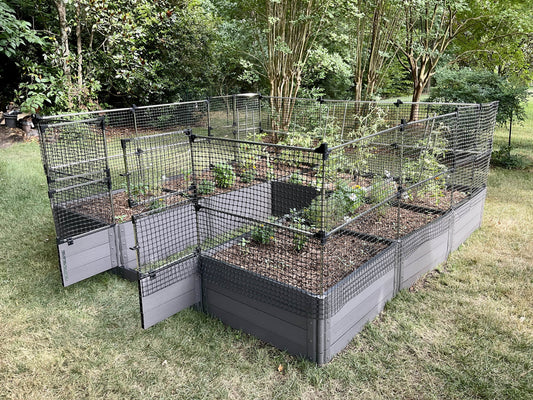
Are you tired of waking up to find your carefully planted garden beds ruined by hungry animals? Protecting your raised garden beds doesn’t have to be a constant battle.
Imagine enjoying a thriving garden without worrying about deer, rabbits, or other critters nibbling away at your hard work. You’ll discover simple and effective ways to keep animals out and your plants safe. Keep reading, because your garden deserves the best protection, and you’re just a few steps away from achieving it.

Credit: www.reddit.com
Common Garden Pests
Raised garden beds are great for growing vegetables and flowers. Many animals want to eat your plants or dig in the soil.
Knowing which animals to watch can help you protect your garden better.
Types Of Animals To Watch
Many animals can damage raised garden beds. Deer, rabbits, squirrels, and raccoons are common pests.
Birds and insects also cause problems by eating leaves and fruits. Some animals dig up the soil, harming roots.
- Deer
- Rabbits
- Squirrels
- Raccoons
- Birds
- Insects
Damage Caused By Animals
Animals can eat young plants or fruits, ruining your harvest. They may also dig holes that disturb roots.
Some animals break branches or trample plants. Birds peck holes in fruits or eat seeds before they grow.
- Plants eaten or broken
- Soil dug up and roots disturbed
- Fruits pecked or eaten
- Seeds taken before planting
- Trampled or flattened plants
Physical Barriers
Protecting raised garden beds from animals is important to keep plants safe. Physical barriers can stop animals from reaching your plants. These barriers work by blocking or deterring animals with strong materials.
Using fences, netting, or raised walls can help you guard your garden. Each method suits different animals and garden types. Here are some ways to use physical barriers effectively.
Installing Fencing
Fencing is a common way to keep animals out of raised beds. It creates a clear border that animals cannot cross easily. Choose fence materials based on the animals near your garden.
- Use wire mesh or hardware cloth to block small animals like rabbits.
- Build taller fences for deer or larger animals.
- Make sure the fence goes deep into the ground to stop digging animals.
- Check the fence regularly for holes or weak spots.
Using Netting And Covers
Netting and covers stop birds and insects from eating plants. They are lightweight and easy to place over raised beds. Covers also protect plants from harsh weather.
| Type | Use | Best For |
|---|---|---|
| Bird Netting | Keep birds away from fruits and vegetables | Strawberries, tomatoes |
| Floating Row Covers | Protect from insects and frost | Leafy greens, flowers |
| Shade Cloth | Reduce sun exposure and heat | Young plants, seedlings |
Building Raised Bed Walls
Raised bed walls can act as barriers to animals. Use strong materials like wood or stone to build walls. Walls that are high or steep make it hard for animals to climb in.
- Choose wood treated to resist rot and pests.
- Build walls at least 12 inches high for small animals.
- Consider adding metal edging to prevent digging under walls.
- Use smooth surfaces to stop animals from climbing.
Natural Deterrents
Protecting your raised garden beds from animals can be challenging. Natural deterrents are an effective way to keep animals at bay without harming them. Let’s explore some simple methods.
Planting Repellent Herbs
Certain herbs have strong scents that animals dislike. These can act as a barrier to your garden beds. Planting these herbs is an easy solution.
- Lavender
- Rosemary
- Sage
- Mint
Using Homemade Sprays
Homemade sprays are a cost-effective way to deter animals. You can make them using common kitchen items.
Scaring Animals Away
Scaring animals away can be done with simple objects. These items confuse or startle the animals.
| Item | Effect |
| Wind chimes | Noise |
| Reflective tape | Light reflections |
| Fake owls | Visual deterrent |

Credit: www.reddit.com
Animal-resistant Plants
Protecting your raised garden beds from animals can be a challenge. Using plants that animals avoid helps keep your garden safe. These plants often have strong smells, tastes, or textures that animals dislike.
Choosing the right plants can reduce damage and save time on repairs. Planning your garden with animal-resistant plants is a smart way to protect your crops naturally.
Choosing Tough Plant Varieties
Pick plants that animals do not like to eat or bother. Some plants have natural defenses like strong scents or rough leaves. These features keep animals away from your garden beds.
- Lavender: Its strong scent repels deer and rabbits.
- Marigolds: These flowers deter insects and small animals.
- Rosemary: The smell keeps many pests at bay.
- Thyme: Its rough texture and aroma discourage animals.
- Sage: Has oils that animals find unpleasant.
Companion Planting Strategies
Planting certain plants together helps protect your garden from animals. Some plants act as natural barriers or masks for others. This method can reduce animal damage without fences or sprays.
| Companion Plant | Protects Against | Reason |
| Garlic | Deer, Rabbits | Strong smell deters animals |
| Chives | Insects, Small Mammals | Sharp taste and smell |
| Onions | Rodents, Deer | Strong odor masks nearby plants |
| Mint | Insects, Rabbits | Spreads quickly, strong scent |
| Catnip | Deer | Leaves repel deer and rabbits |
Maintenance Tips
Protecting raised garden beds from animals needs regular care. Keeping barriers strong helps plants stay safe.
Simple maintenance steps stop animals from damaging your garden beds. Check and fix often for best results.
Regular Inspection
Look over your garden bed protection every week. Find holes, loose wires, or broken parts quickly.
Check the ground around the bed too. Animals may dig under fences or barriers.
- Walk around the bed and look for damage
- Test fences and covers for weak spots
- Note any signs of animal activity nearby
Cleaning And Repairing
Clean your garden bed protection to remove dirt and debris. This keeps materials strong and visible.
Fix broken parts as soon as possible. Replace torn netting or bent stakes to keep animals out.
- Clear leaves and soil from fences and covers
- Patch holes in mesh or wire fences
- Tighten loose fasteners and supports
Adjusting Protection Seasonally
Change your protection based on the season and animal behavior. Some animals are more active at certain times.
Use heavier covers in winter and lighter ones in summer. Remove covers when plants need more air or sunlight.
- Increase fence height during animal mating seasons
- Use frost covers in cold months
- Remove covers in warm months to prevent mold

Credit: www.reddit.com
Frequently Asked Questions
How Do I Keep Animals Out Of Raised Garden Beds?
Install physical barriers like mesh or wire fencing around beds. Use netting to cover plants and secure edges. Raised beds with sturdy frames deter larger animals effectively.
What Natural Repellents Work For Garden Bed Protection?
Use garlic, peppermint oil, or chili spray as natural repellents. These scents deter many animals without harming plants. Reapply regularly after rain for continued effectiveness.
Can Raised Garden Beds Prevent Animal Damage Alone?
Raised beds can reduce some animal access but aren’t foolproof. Combine with fencing or repellents for better protection. Animals like rabbits and deer can still jump or dig under barriers.
Which Fencing Type Is Best For Raised Garden Beds?
Use hardware cloth or welded wire fencing with small gaps. These materials stop small animals like rabbits and rodents. Ensure fencing is buried several inches to prevent digging.
Conclusion
Protecting raised garden beds from animals keeps plants safe and healthy. Simple barriers like fences or nets work well. Regular checks help spot problems early. Using natural repellents can keep pests away gently. Taking these steps saves time and effort later.
Enjoy a garden full of thriving plants and less worry. Small actions make a big difference in your garden’s success. Start protecting your raised beds today for better growth tomorrow.