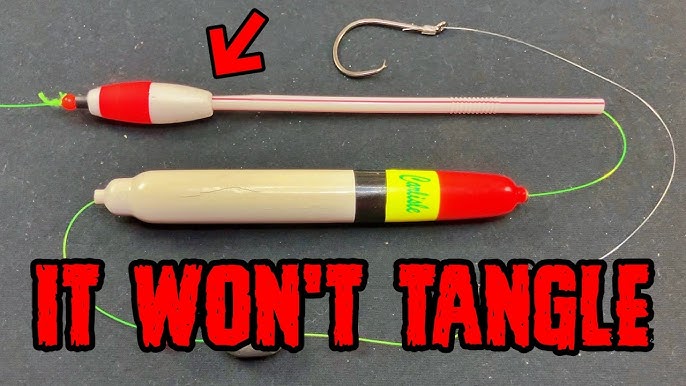
If you’re new to fishing or just want to improve your catch, learning how to put a bobber on your fishing rod is a game-changer. A bobber helps you see when a fish bites, making your fishing experience more fun and successful.
In this guide, you’ll discover simple steps to attach a bobber quickly and correctly. By the end, you’ll be ready to cast your line with confidence and catch more fish. Let’s dive in and get your gear set up the right way!
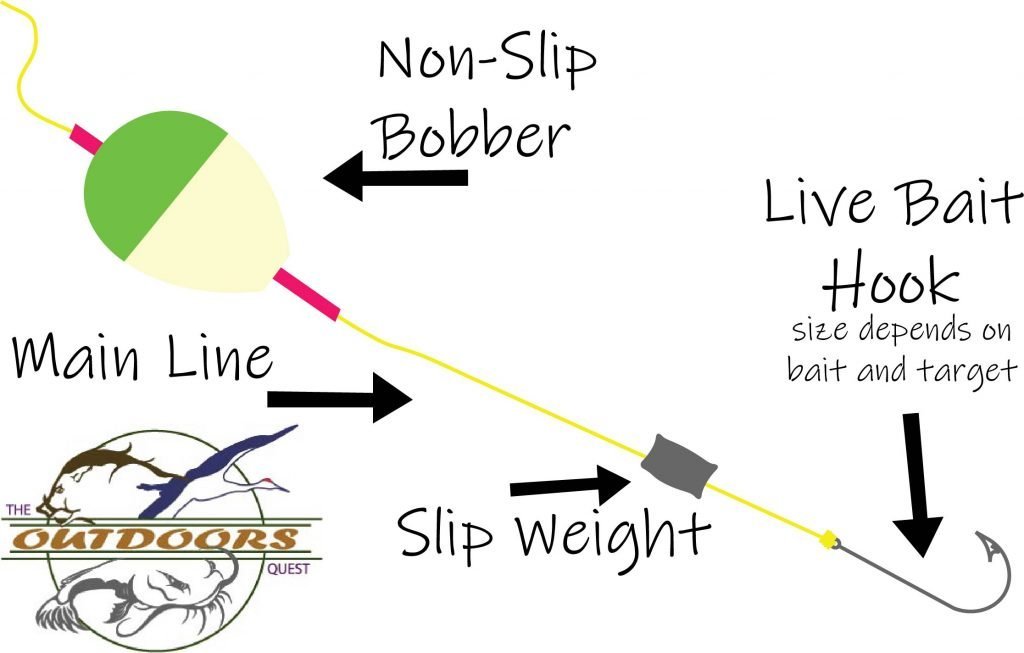
Credit: www.theoutdoorsquest.com
Choosing The Right Bobber
Choosing the right bobber is important for a good fishing experience. The bobber helps you see when a fish bites the bait.
Different types, sizes, and colors of bobbers work best in different fishing conditions. Knowing these helps you catch more fish.
Types Of Bobbers
There are many types of bobbers. Some float on the water surface, while others hang below. Each type works well for certain fish and water types.
- Round Bobbers:Classic ball shape, easy to use, good for calm waters.
- Slip Bobbers:Slide on the line, allow fishing at different depths.
- Cigar Bobbers:Long and thin, better for windy conditions and fast currents.
- Stick Bobbers:Thin and straight, visible at a distance and good for small bait.
Selecting Size And Color
Choosing the right size and color helps you see the bobber and catch fish better. The size depends on the bait weight and water conditions.
| Bobber Size | Best Use | Example Bait Weight |
| Small | Light bait, calm water | Up to 1/8 oz |
| Medium | Average bait, moderate currents | 1/8 to 1/2 oz |
| Large | Heavy bait, rough water | Over 1/2 oz |
Bright colors like red, orange, or yellow make the bobber easy to see. Choose a color that stands out on the water surface.
Preparing Your Fishing Rod
Before you put a bobber on your fishing rod, you need to prepare the rod properly. This helps you fish better and avoid problems.
Two important tasks are checking the fishing line and clearing the line path. These steps make sure your bobber works well on the rod.
Checking The Line
Look at your fishing line carefully. Check for any knots, frays, or weak spots. These can break when you cast or catch a fish.
- Pull the line gently to test its strength.
- Remove any tangles or knots you find.
- Replace the line if it looks old or damaged.
Clearing The Line Path
Make sure the line can move freely through the rod guides. Dirt or old line pieces can block the path.
| Step | Action |
| 1 | Run your fingers along the guides to feel for debris. |
| 2 | Use a soft cloth to clean each guide ring. |
| 3 | Check that the line flows smoothly without catching. |
| 4 | Remove any obstacles found in the line path. |
Attaching The Bobber
Attaching a bobber to your fishing rod helps you see when fish bite. There are different types of bobbers. Each type attaches in a simple way.
This guide explains how to attach pinch or clip-on bobbers and slip bobbers. Use the right method for your fishing style.
Pinch Or Clip-on Bobbers
Pinch or clip-on bobbers attach directly to the fishing line. They stay in one spot and do not slide up or down the line.
- Pinch the sides of the bobber gently to open its clip.
- Place the fishing line between the clips on the bobber.
- Release the bobber so it grips the line firmly.
- Slide the bobber to the desired height above the hook.
- Make sure the bobber is secure but not too tight.
Clip-on bobbers work well in shallow water or when you want the bait at a fixed depth.
Slip Bobbers Setup
Slip bobbers move freely up and down the line. You must set a stopper to hold the bobber at the right depth.
| Step | Action |
| 1 | Thread the line through the hole in the bobber. |
| 2 | Slide a bobber stop knot onto the line above the bobber. |
| 3 | Set the stop knot at the depth you want the bait to hang. |
| 4 | Add a small bead above the stop knot to protect it. |
| 5 | Attach your hook and weight below the bobber. |
Slip bobbers are best for fishing at different depths. You can adjust the stop knot to change the bait depth quickly.
Adjusting Bobber Depth
Setting the right depth for your bobber is key to catching fish. The bobber keeps your bait at the right level in the water.
Adjusting the bobber depth helps you reach the zone where fish are feeding. It also prevents the bait from touching the bottom or floating on the surface.
Determining Fish Depth
First, find out how deep the fish are swimming. Fish often stay near plants, rocks, or drop-offs. Look for signs like jumping fish or ripples.
You can also drop a weighted bait and watch where it stops. This helps estimate the depth to set your bobber.
- Observe surface activity for fish location
- Use a sinker to find bottom depth
- Adjust bobber to keep bait just above the bottom
Sliding The Bobber Correctly
Sliding bobbers let you change depth easily. Slide the bobber up or down the line to set the bait depth you want.
Pinch the bobber clamp to unlock it. Move the bobber carefully and lock it again to hold the spot. Make sure it stays firm but not too tight.
- Pinch clamp to unlock bobber
- Slide bobber to chosen depth
- Lock clamp to secure bobber
- Test by gently pulling line to check bobber hold
Securing The Bobber
Attaching a bobber to your fishing rod helps you see when a fish bites. Securing it well keeps it from moving too much on the line.
This guide explains how to lock your bobber in place and check its stability before fishing.
Locking Mechanisms
Most bobbers have a locking system to hold them on the fishing line. It stops the bobber from sliding up or down while fishing.
Common locking types include spring clips, twist locks, and push buttons. Each type secures the bobber differently but with the same goal.
- Spring Clips:Pinch the line between two metal clips.
- Twist Locks:Twist the bobber to tighten it around the line.
- Push Buttons:Press a button to clamp the bobber on the line.
Testing Stability
After locking the bobber, test its hold. The bobber should stay put when you pull on the line gently.
Try moving the bobber up and down slightly. If it slips, adjust the locking mechanism or try a different one.
- Pull the line lightly to check the bobber’s grip.
- Move the bobber to ensure it does not slide easily.
- Secure the bobber again if it moves too much.

Credit: mysterytacklebox.com
Final Tips For Using Bobbers
Using a bobber can make fishing easier and more fun. It helps you see when a fish bites your bait.
Here are some tips to help you use bobbers well. These tips will improve your fishing experience.
Casting Techniques
Cast your line gently to avoid splashing. A smooth cast keeps the bobber steady on the water.
Try to cast beyond plants or rocks. This stops your line from getting stuck and helps the bobber float freely.
- Hold the rod firmly but relaxed
- Swing the rod back and then forward smoothly
- Release the line at the right moment for distance
- Aim for a quiet landing on the water
Reading Bobber Movement
Watch the bobber closely for small moves or dips. These often mean a fish is nibbling your bait.
If the bobber moves up and down or suddenly sinks, get ready to pull the rod. This means a fish is biting.
- Stay focused on the bobber after casting
- Notice small twitches or slow pulls
- React quickly when the bobber dips under water
- Practice patience; not all bites are strong

Credit: www.youtube.com
Frequently Asked Questions
How Do You Attach A Bobber To A Fishing Line?
To attach a bobber, first thread your fishing line through the bobber’s top and bottom hooks. Adjust the bobber to your desired depth. Ensure it’s secure by gently tugging on the line. This setup helps keep your bait at the right depth, increasing your chances of catching fish.
What Is The Purpose Of A Bobber On A Fishing Rod?
A bobber helps keep your bait at a specific depth in the water. It acts as a visual indicator, signaling when a fish bites. When a fish pulls the bait, the bobber dips, alerting you. This makes it easier to know when to reel in your catch.
What Are Common Types Of Bobbers Used In Fishing?
Common bobber types include round, slip, and pencil bobbers. Round bobbers are great for beginners and shallow waters. Slip bobbers allow for deeper fishing and easy adjustments. Pencil bobbers offer less resistance and are ideal for timid fish. Each type serves different fishing needs and conditions.
Can You Fish Without A Bobber?
Yes, you can fish without a bobber, but it requires more skill. Without a bobber, detecting bites becomes challenging, especially for beginners. Fishing without one can be beneficial in specific scenarios, like deep-sea or fast-current fishing, where bobbers might not be effective.
Conclusion
Putting a bobber on your fishing rod is simple and quick. It helps you see when fish bite your bait. Make sure the bobber slides smoothly on the line. Adjust the bobber’s position for the right depth. Practice a few times to get comfortable.
Fishing becomes more fun and effective with a bobber. Now, you are ready to enjoy your fishing trip. Give it a try and watch the bobber move!