Are you ready to catch more fish with less hassle? Knowing how to put a bobber on your fishing rod can make a big difference in your fishing game.
A bobber helps you see when a fish is biting, so you won’t miss a single catch. You’ll learn simple, step-by-step instructions to get your bobber set up quickly and correctly. Whether you’re a beginner or just need a quick refresher, this guide will help you fish smarter and enjoy every moment on the water.
Keep reading to master this easy but essential fishing skill!

Credit: www.youtube.com
Choosing The Right Bobber
Using the right bobber helps you catch fish better. It keeps your bait at the right depth in the water.
Picking a bobber depends on the type of fishing you want to do. You should think about the water and the fish size.
Types Of Bobbers
There are different bobbers for different fishing needs. Each type works best in certain waters and fish styles.
- Round Bobbers:These are classic and easy to use. They float well on calm water.
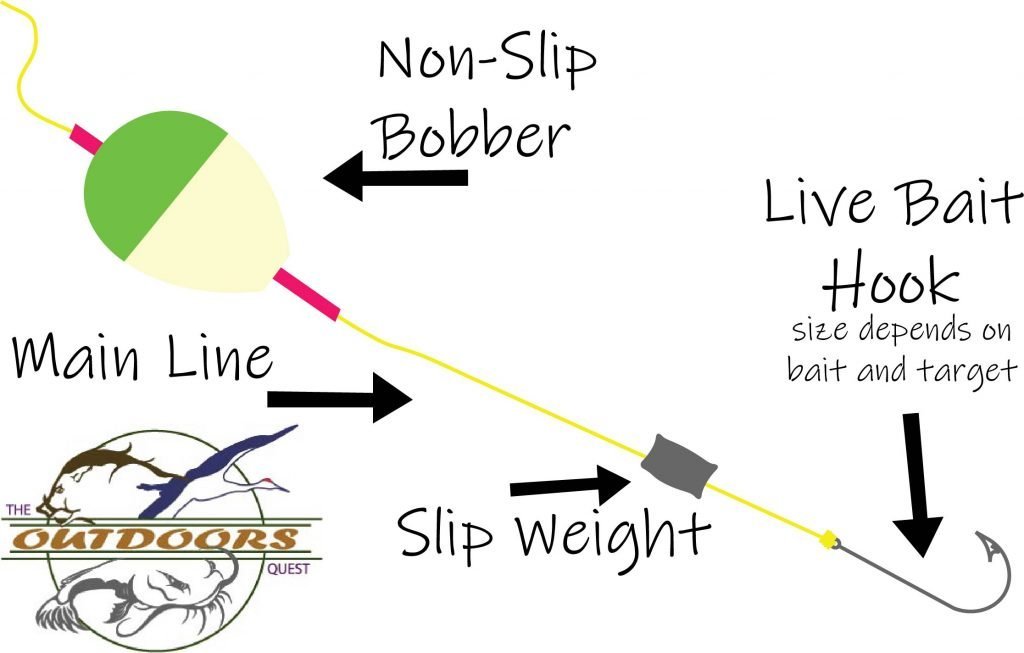
- Slip Bobbers:These slide on the fishing line. They let your bait go deeper in the water.
- Pencil Bobbers:These are long and thin. They are sensitive and good for small fish.
- Stick Bobbers:These stand upright in the water. They work well in rivers with currents.
Selecting Size And Color
Choosing the right size of bobber helps balance the bait and weight. Bigger bobbers hold more weight and are visible from far away.
Color affects how well you see the bobber. Bright colors like red or orange are easy to spot in most waters.
- Small Bobbers:Use for light bait and small fish.
- Medium Bobbers:Good for most fishing situations.
- Large Bobbers:Best for heavy bait and rough water.
- Bright Colors:Easy to see in daylight.
- Natural Colors:Less visible to fish in clear water.
Credit: www.theoutdoorsquest.com
Gathering Necessary Tools
Before you start fishing, you need the right tools. A bobber is essential for successful fishing.
Gathering the right tools ensures a smooth setup. Let’s explore the essential items needed.
Fishing Rod Setup
A fishing rod is the main tool you need. It helps you cast and reel in fish.
Choose a rod that suits your fishing style. Consider its length and material for the best experience.
- Spinning Rod: Good for beginners
- Casting Rod: Offers better control
- Fly Rod: Ideal for fly fishing
Additional Accessories
Besides the rod, other accessories are useful. They make fishing more effective and enjoyable.
Having the right accessories can improve your chances. Let’s look at some helpful items.
- Hooks: Attach to your line to catch fish
- Sinkers: Help your bait sink to the right depth
- Line: Connects all parts of your fishing setup
Preparing The Fishing Line
Before putting a bobber on your fishing rod, you need to prepare the fishing line well. This helps your fishing setup work better and last longer.
Two important tasks are checking the line condition and measuring the line length. These steps make sure your line is ready for fishing with a bobber.
Checking Line Condition
Look closely at your fishing line to find any damage. Small cuts or weak spots can break the line while fishing.
- Check for frays or nicks along the line.
- Look for discoloration or stiffness, signs of wear.
- Test the line strength by gently pulling on it.
- Replace the line if you find any damage or weakness.
Measuring Line Length
Measure the amount of line on your reel before adding a bobber. This helps you set the bobber at the right distance for fishing.
| Line Type | Recommended Length (feet) |
| Light Line | 100-150 |
| Medium Line | 150-200 |
| Heavy Line | 200-250 |
Attaching The Bobber
Attaching a bobber to your fishing rod helps you see when a fish bites. There are two main ways to attach a bobber: sliding slip bobbers and clipping fixed bobbers. Each method works best for different fishing styles.
Choose the right method based on the type of bobber you have and how you want your bait to move in the water.
Sliding On Slip Bobbers
Slip bobbers slide freely on the fishing line. This allows you to cast far and fish at different depths easily. You need to add a small stopper above the bobber to set the depth.
- Slide the bobber onto the line through its hollow center.
- Place a bobber stop knot or rubber stopper on the line above the bobber.
- Adjust the stopper to set how deep your bait will go.
- Attach the hook and bait below the bobber.
Clipping Fixed Bobbers
Fixed bobbers clip directly onto the line. They stay in one place and do not slide. This method is simple and fast for fishing in shallow water.
| Step | Action |
|---|---|
| 1 | Open the clip on the bobber. |
| 2 | Pinch the line and slide it into the clip. |
| 3 | Close the clip to secure the bobber. |
| 4 | Attach your hook and bait below the bobber. |
Setting Bobber Depth
Setting the right depth for your bobber is key to catching fish. It helps the bait stay where the fish are swimming.
Adjusting the bobber depth lets you control how deep your bait goes. This improves your chances of a bite.
Determining Fish Depth
First, find out how deep the fish are in the water. Fish often swim at different depths during the day.
You can use a fish finder or watch for signs like jumping fish or water ripples to estimate depth.
- Look for fish activity near the surface or deeper water
- Check the water temperature, as fish like certain temperatures
- Use a weighted line to test how deep the bottom is
Adjusting Bobber Position
Slide the bobber up or down the line to change the bait depth. The bobber should hold the bait where the fish are.
Make small changes until the bobber stays steady and the bait stays in the right spot. This helps catch more fish.
- Move the bobber closer to the hook for shallow water
- Slide it farther from the hook for deeper water
- Check the bobber’s float to make sure it is not sinking
Securing The Bobber
Putting a bobber on your fishing rod is easy, but securing it well is important. A loose bobber can fall off or slide down the line. This guide helps you keep the bobber in place for better fishing.
Focus on tightening clips and testing the stability of your bobber. These steps ensure the bobber stays where you want it on the line.
Tightening Clips
Most bobbers have clips to hold them on the fishing line. Tighten these clips carefully to keep the bobber from sliding.
- Pinch the clip gently but firmly around the line.
- Make sure the clip is aligned straight on the line.
- Do not press too hard to avoid damaging the line.
- Check that the clip grips the line without gaps.
Testing Stability
After tightening the clips, test the bobber’s hold. This prevents surprises while fishing.
| Test Method | What to Check |
| Lift the rod | Bobber stays in place |
| Slide the line gently | Bobber does not move down |
| Shake the rod | Bobber clips hold firm |
Tips For Effective Bobber Use
Using a bobber on a fishing rod helps you see when a fish bites. It keeps your bait at the right depth and makes fishing easier. Learning to use it well improves your chances of catching fish.
This guide covers key tips about casting and watching for bites to help you fish better with a bobber.
Casting Techniques
Casting with a bobber needs smooth and careful movements. A good cast places the bobber where fish are likely to be. Avoid splashing the water too much to keep fish from getting scared.
- Hold the rod firmly but not too tight.
- Pull the line back gently until the bobber is ready to cast.
- Use your wrist to flick the rod forward smoothly.
- Let the line out slowly as the bobber lands on the water.
- Adjust the line length to place the bait at the right depth.
Watching For Bites
Watching the bobber closely helps you know when a fish is biting. The bobber will move, dip, or twitch when a fish takes the bait. Reacting quickly can help you catch the fish.
| Bobber Movement | What It Means |
|---|---|
| Slow dip below water | Fish is nibbling gently |
| Sudden pull downward | Fish has taken the bait |
| Side to side shake | Fish is trying to free itself |
| Bobber stays still | No fish interest yet |

Credit: www.youtube.com
Frequently Asked Questions
How Do You Attach A Bobber To A Fishing Line?
To attach a bobber, clip it onto your fishing line at the desired depth. Ensure it snaps securely to avoid slipping during casting or fishing.
What Is The Best Bobber Type For Beginners?
Slip bobbers are ideal for beginners. They allow easy depth adjustments and provide clear bite detection, making fishing more enjoyable and effective.
How Far Should A Bobber Be From The Hook?
Set the bobber 1 to 3 feet above the hook. This distance depends on the fish species and water depth you are fishing in.
Can You Use A Bobber For All Fishing Rods?
Yes, most fishing rods can use bobbers. Just choose the right size and type that matches your rod and fishing environment.
Conclusion
Putting a bobber on your fishing rod is simple and quick. It helps you see when fish bite the bait. Adjust the bobber to set how deep the hook goes. Make sure it stays firm but can slide if needed.
Practice a few times to feel confident and ready. Enjoy your fishing time with this easy tip. Catching fish becomes more fun and less frustrating. Keep trying, and you will get better each time.