Are you ready to catch your next big fish but unsure how to properly put a hook on your line? Mastering this simple skill can make all the difference between a successful fishing trip and a frustrating day by the water.
In this guide, you’ll discover easy steps to securely attach a fish hook that will hold tight and improve your chances of landing that prize catch. Keep reading, and soon you’ll be tying hooks like a pro, boosting your confidence and your fishing game.
Choosing The Right Hook And Line
Choosing the right hook and line is important for a good fishing experience. The right tools help catch fish safely and easily.
This guide explains types of fish hooks, how to select proper fishing line, and how to match hook size to fish species.
Types Of Fish Hooks
There are many fish hook types. Each type suits different fishing styles and fish kinds. Knowing the types helps you pick the best hook.
- J-Hook:Classic hook for many fish species.
- Circle Hook:Designed to reduce fish injury.
- Treble Hook:Has three points for better hold.
- Siwash Hook:Good for attaching to lures.
- Octopus Hook:Works well for bait fishing.
Selecting The Proper Fishing Line
Fishing lines come in various materials and strengths. The choice depends on the fish size and fishing method.
| Line Type | Strength | Best Use |
| Monofilament | Light to Medium | General fishing |
| Fluorocarbon | Medium to Heavy | Clear water fishing |
| Braid | Heavy | Heavy cover and big fish |
Matching Hook Size To Fish Species
Using the right hook size helps catch fish without harm. Small hooks work for small fish. Large hooks suit big fish.
- Small hooks: Panfish, trout, bluegill
- Medium hooks: Bass, walleye, catfish
- Large hooks: Pike, muskie, saltwater species

Credit: www.youtube.com
Preparing Your Fishing Line
Getting your fishing line ready is key for a strong hold. Proper preparation helps your hook stay secure while fishing.
Two important steps are cutting and inspecting the line, and moistening it to tie better knots.
Cutting And Inspecting The Line
Start by cutting a fresh section of fishing line. Use sharp scissors or a line cutter to get a clean cut.
After cutting, check the line carefully. Look for any damage like frays, nicks, or weak spots.
- Cut the line straight to avoid uneven ends.
- Hold the line up to light to spot small cuts.
- Replace the line if you find any damage.
- Keep the line dry and clean before use.
Moistening The Line For Better Knots
Moistening the line before tying knots helps reduce friction. This makes knots tighter and less likely to break.
| Why Moistening Helps | Effect |
| Reduces heat from friction | Keeps line strong |
| Allows knot to slide while tightening | Makes knot neat |
| Prevents line damage | Increases knot durability |
Popular Knots For Attaching Hooks
Tying a hook to your fishing line is key to catching fish. Using the right knot keeps the hook secure.
This guide shows three popular knots that anglers use to attach hooks safely and strongly.
Improved Clinch Knot
The Improved Clinch Knot is common for tying hooks to monofilament lines. It is simple and strong.
To tie this knot, pass the line through the hook eye and wrap it around 5-7 times. Then thread the end through the loop near the eye.
- Pass line through hook eye
- Wrap line 5-7 times around standing line
- Thread line end through small loop near eye
- Pull tight and trim excess line
Palomar Knot
The Palomar Knot is known for its strength and simplicity. It works well with braided and monofilament lines.
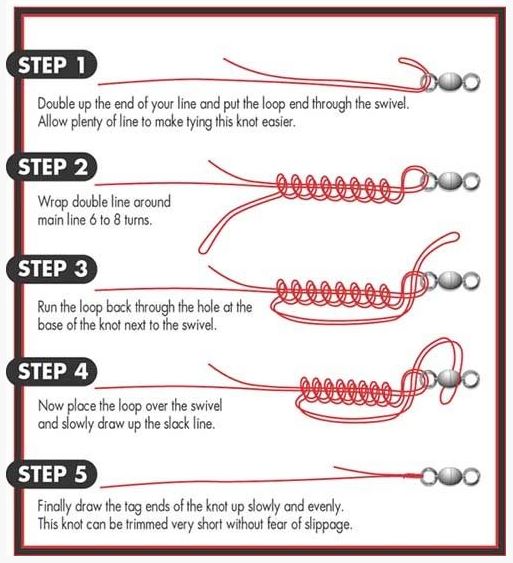
Double the line and pass it through the hook eye. Tie a loose overhand knot, then pass the hook through the loop. Pull tight slowly.
- Double the line and pass through hook eye
- Tie an overhand knot without tightening
- Pass hook through the loop
- Pull line ends to tighten knot
- Trim excess line
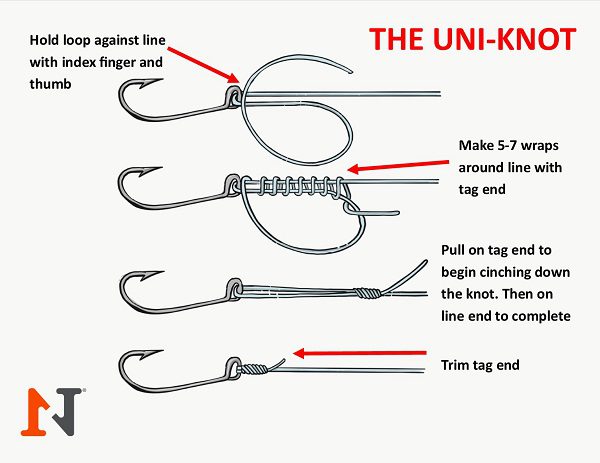
Uni Knot
The Uni Knot is versatile and easy to tie. It holds well on many types of fishing lines.
Pass the line through the hook eye, then make a loop. Wrap the tag end around the line and through the loop several times. Pull to tighten.
- Pass line through hook eye and form a loop
- Wrap tag end around line and through loop 5-6 times
- Pull tag end to tighten the wraps
- Slide knot to hook eye and pull main line tight
- Cut excess tag end

Credit: www.youtube.com
Step-by-step Hook Attachment
Attaching a fish hook to a line is a key skill for fishing. It helps keep your bait in place and catches fish effectively.
Follow these steps to tie your hook securely and prepare your line for fishing.
Threading The Line Through The Hook Eye
First, take the end of your fishing line and pass it through the hook’s eye. The eye is the small loop at the top of the hook.
Pull enough line through to work with comfortably when tying the knot.
Tying The Knot Securely
Use a strong knot to hold the hook in place. The improved clinch knot is a good choice for this task.
- Pass the line through the hook eye and wrap it around the standing line five times.
- Thread the loose end back through the small loop near the hook eye.
- Then pass the loose end through the big loop you just made.
- Wet the knot with water or saliva to reduce friction.
- Pull both ends slowly until the knot tightens firmly against the hook eye.
Make sure the knot is tight and does not slip. A loose knot can cause you to lose fish.
Trimming Excess Line
After tying the knot, cut off the extra line close to the knot. Leave a small bit to prevent the knot from slipping.
| Tool | Purpose |
|---|---|
| Line Clippers | Trim excess fishing line safely |
| Scissors | Cut line cleanly without fraying |
| Knife | Useful for thicker lines or emergency cuts |
Testing Knot Strength
After you tie a fish hook to your line, check if the knot holds well. Testing knot strength helps avoid losing fish.
Strong knots keep your hook secure during fishing. Take time to test and fix any weak knots.
Pulling To Check Knot Security
Pull the line hard near the knot to see if it slips or loosens. The knot should stay tight and not move.
- Hold the line with one hand and pull the hook end with the other
- Look for any sliding or loosening of the knot
- If the knot slips, it needs to be retied
- Check the knot from different angles for any weaknesses
Re-tying When Necessary
If the knot fails the pull test, cut it off and tie a new one. Use clean line ends and follow knot instructions carefully.
| Reason to Re-tie | Action to Take |
| Knot slips under tension | Cut and re-tie securely |
| Line frays near knot | Trim frayed part and tie new knot |
| Knot looks loose | Retighten or re-tie |
| Hook twists after tying | Re-tie to avoid weak spots |
Credit: www.beadinggem.com
Tips For Maintaining Your Tackle
Taking care of your fishing tackle keeps it ready for your next trip. Good maintenance helps your gear last longer and work better.
Simple habits like checking your hooks and storing them right make a big difference. Let’s look at some key tips.
Replacing Worn Hooks And Lines
Hooks and lines wear out from use and exposure to water. Old hooks can bend or rust, and lines can get weak or frayed.
Check your hooks and lines regularly. Replace any hook that is dull, bent, or rusty. Change lines that have nicks or are discolored.
- Test hooks by gently bending them; replace if they bend easily
- Look for cracks, discoloration, or frays on fishing lines
- Use fresh, strong lines to avoid losing fish
- Replace old tackle before each fishing season
Storing Hooks Properly
Storing hooks the right way prevents rust and keeps them sharp. Damp or messy storage can damage your hooks.
Keep hooks dry and organized. Use tackle boxes with compartments or small containers to separate hooks by size and type.
- Dry hooks before storing to stop rust
- Store hooks in a tackle box with dividers
- Use rust inhibitor strips or silica gel packs in storage boxes
- Keep hooks away from moisture and dirt
Frequently Asked Questions
How Do You Tie A Fish Hook To A Line?
To tie a fish hook, thread the line through the eye of the hook. Wrap the line around itself 5-7 times. Pass the end through the loop near the eye and pull it tight. Trim any excess line for a secure knot.
What Is The Best Knot For Fishing Hooks?
The improved clinch knot is the best choice. It is strong, reliable, and easy to tie. This knot keeps the hook firmly attached to the line. It works well with most fishing lines and hooks.
How Tight Should The Fishing Knot Be?
The fishing knot should be tight enough to prevent slipping. Pull the knot firmly but avoid over-tightening. Over-tightening can weaken the line or damage the hook eye. A snug, secure knot improves your chances of landing fish.
Can I Use Any Fishing Line For Hooks?
Most fishing lines work with hooks, but strength varies. Monofilament and fluorocarbon lines are popular and easy to tie. Braided lines offer high strength but need special knots. Choose a line that suits your fishing style and target fish.
Conclusion
Putting a fish hook on a line is simple with practice. Take your time and follow each step carefully. A strong knot keeps the hook secure during fishing. Check your work before you start casting. With patience, tying hooks becomes quick and easy.
Enjoy your fishing trips with confidence and safety. Remember, practice makes better every time you try. Keep your gear ready and have fun outdoors.