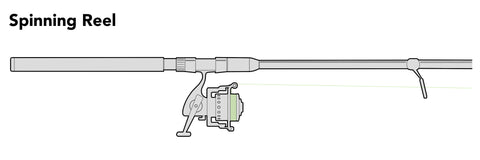
If you love fishing, knowing how to put a fishing line on a spinning reel is a skill you can’t afford to miss. Getting it right means fewer tangles, smoother casts, and more fun on the water.
But if you’ve ever struggled with twists, knots, or confusing instructions, you’re not alone. This guide will walk you through each simple step, so you can confidently set up your reel and focus on what really matters—catching fish. Ready to make your fishing experience easier and more enjoyable?
Let’s dive in!
Credit: letsgobassfishing.com
Choosing The Right Fishing Line
Choosing the right fishing line is crucial for a successful fishing trip. Different lines are suited for different types of fishing and conditions.
Understanding the types of fishing lines and their properties helps you make an informed choice. Let’s explore the options available.
Types Of Fishing Lines
Fishing lines come in various types. Each has its own benefits and ideal use cases.
- Monofilament: Flexible and easy to handle.
- Braided: Strong and durable.
- Fluorocarbon: Nearly invisible underwater.
Line Strength And Diameter
Line strength and diameter are important factors. They determine the kind of fish you can catch.
Stronger lines can handle bigger fish, but they might be more visible in the water.
| Line Type | Strength | Diameter |
| Monofilament | Medium | Thicker |
| Braided | High | Thinner |
| Fluorocarbon | High | Medium |
Monofilament Vs. Braided Vs. Fluorocarbon
Monofilament is affordable and good for beginners. It is easy to cast and knot.
Braided lines are strong and last a long time. They are suitable for catching large fish.
Fluorocarbon lines are nearly invisible in water. They work well in clear water conditions.
Preparing The Spinning Reel
Putting a fishing line on a spinning reel starts with good preparation. Taking care of the reel helps the line go on smoothly.
Clean and check the reel before you add the line. This makes fishing easier and avoids problems later.
Cleaning The Reel
Remove dirt and salt from the reel before you add the line. Use a soft cloth to wipe it down. Avoid water inside the reel.
Cleaning stops damage and helps the reel work well for a long time.
- Use a dry cloth or soft brush
- Remove old grease or dirt gently
- Do not soak the reel in water
- Check for any rust or damage
Checking The Spool
The spool holds the fishing line. Make sure it is clean and free of cracks. A good spool helps the line wind evenly.
Look at the spool edges. They should be smooth to avoid cutting the line.
- Check for dirt or old line on the spool
- Look for cracks or dents
- Make sure the spool fits tightly on the reel
- Clean the spool if needed
Opening The Bail Arm
The bail arm guides the line onto the spool. Open it before starting to put the line on. This stops the line from tangling.
Flip the bail arm up gently. Do not force it. It should stay open while you add the line.
- Locate the bail arm on the reel
- Lift it to the open position
- Keep it open during line spooling
- Close it after line is on
Attaching The Line To The Spool
Attaching the fishing line to the spinning reel spool is important for smooth casting. A secure connection keeps the line from slipping.
Follow these steps carefully to attach your line correctly and avoid problems on the water.
Threading The Line Through Guides
First, pull the line from the spool and thread it through each guide on your fishing rod. Start at the tip and work down to the reel.
- Hold the line firmly to avoid tangles.
- Feed the line through every guide in order.
- Make sure the line flows smoothly through each guide.
Tying The Arbor Knot
The arbor knot secures the line to the spool’s center. It is simple and strong for spinning reels.
- Wrap the line around the spool’s arbor.
- Tie an overhand knot around the main line.
- Make a second overhand knot on the tag end.
- Pull both knots tight against the spool.
- Trim the tag end close to the knot.
Securing The Line To The Spool
After tying the arbor knot, secure the line to the spool by winding it evenly. Keep tension on the line to avoid loose loops.
| Tip | How to Secure Line |
| Keep tension | Pull the line tight while winding |
| Wind evenly | Spread the line across the spool |
| Fill spool | Stop when line is 1/8 inch from edge |
Spooling The Line Onto The Reel
Putting a fishing line on a spinning reel needs care. Proper spooling helps you cast smoothly and catch fish better.
This guide covers key points for spooling, like keeping tension, winding evenly, and avoiding twists or tangles.
Maintaining Line Tension
Keeping the right tension on the line is very important. It stops the line from getting loose or tangled on the reel.
To keep tension, hold the line firmly between your fingers as you spool it. Make sure the line stays tight but not too tight.
Winding The Line Evenly
Spooling the line evenly on the reel avoids bunching or gaps. This helps the line come off smoothly when casting.
- Start by attaching the line to the spool securely.
- Turn the reel handle slowly to wind the line.
- Guide the line with your fingers to spread it evenly across the spool.
- Fill the spool until it is about 1/8 inch from the edge.
Avoiding Line Twists And Tangles
Line twists cause knots and weak spots. Avoid twists to keep your fishing line strong.
| Cause | How to Avoid |
|---|---|
| Loose line on spool | Keep steady tension while spooling |
| Wrong line direction | Match line spool direction to reel rotation |
| Overfilling spool | Stop filling before line reaches spool edge |
| Twisting line before spooling | Let line hang freely to untwist before use |
Finishing Up
After spooling your fishing line onto the spinning reel, it’s important to finish the setup correctly. This will ensure your line works smoothly and stays secure while fishing.
Pay close attention to cutting the line, attaching your leader or lure, and testing the entire setup before you start fishing.
Cutting The Line
Cut the fishing line close to the reel spool. Leave a little extra line to make tying easier. Use sharp scissors or a line cutter for a clean cut.
A clean cut prevents the line from fraying or slipping off the reel.
Tying The Leader Or Lure
Attach your leader or lure to the end of the fishing line using a strong knot. The improved clinch knot is popular and reliable for this task.
- Thread the line through the lure eye or leader loop.
- Wrap the tag end around the main line five times.
- Pass the tag end through the small loop near the eye.
- Wet the knot and pull tight.
- Trim the excess tag end.
Testing The Setup
Before fishing, test your setup by pulling the line gently. Make sure the knot holds and the line moves smoothly from the reel.
Check that the drag system works well by adjusting it and feeling resistance. This helps avoid line breakage during a catch.

Credit: www.youtube.com
Tips For Long-lasting Line Performance
Keeping your fishing line in good shape helps you catch more fish. Proper care can stop the line from breaking or tangling.
Here are some easy tips to help your fishing line last longer on a spinning reel.
Storing The Reel Properly
Store your spinning reel in a dry, cool place after every use. Avoid leaving it in direct sunlight or damp spots. This prevents the line from weakening and the reel from rusting.
- Loosen the drag to reduce pressure on the line.
- Cover the reel with a cloth or case to keep dust away.
- Keep the reel away from chemicals that can damage the line.
Regular Line Inspection
Check your fishing line often for signs of wear. Look for nicks, frays, or discoloration. These can cause the line to snap during fishing.
| Signs to Check | What They Mean |
| Frayed spots | Weak points prone to breaking |
| Discoloration | Sun damage or aging line |
| Knots or tangles | Can cause line breakage |
Replacing Line When Needed
Replace the fishing line if you notice damage or after heavy use. Fresh line improves casting distance and strength.
- Remove old line from the reel completely.
- Check the reel spool for any damage or dirt.
- Attach new line securely following the reel’s instructions.
- Fill the spool evenly without overfilling.

Credit: www.youtube.com
Frequently Asked Questions
How Do I Attach Fishing Line To A Spinning Reel?
Tie the line to the reel spool using an Arbor knot. Pull it tight and trim excess line. This secures the line firmly for smooth casting.
What Type Of Fishing Line Suits Spinning Reels?
Monofilament, fluorocarbon, or braided lines work well. Choose based on your fishing style and target species. Each type offers different strength and sensitivity.
How Much Line Should I Put On A Spinning Reel?
Fill the spool about 1/8 inch below the edge. Overfilling causes tangles; underfilling reduces casting distance. Proper fill ensures optimal reel performance.
Can I Use Braided Line On A Spinning Reel?
Yes, braided line is great for spinning reels. It offers high strength with low stretch. Use a leader to improve knot security and abrasion resistance.
Conclusion
Putting a fishing line on a spinning reel is a simple skill anyone can learn. Follow each step carefully to avoid tangles and knots. Take your time to secure the line tightly on the reel spool. Practice makes perfect, so don’t worry if it takes a few tries.
Soon, you will feel confident and ready to fish with ease. Enjoy your time by the water and happy fishing!