If you want to catch more fish, knowing how to put a hook on a fishing line is a skill you can’t skip. It might seem tricky at first, but once you learn the simple steps, you’ll feel confident every time you cast your line.
In this guide, you’ll discover easy tips that make attaching a hook quick and secure. Keep reading to master this essential fishing skill and boost your chances of a great catch on your next trip.

Credit: www.reddit.com
Choosing The Right Hook
Choosing the right hook is important for fishing success. The hook must fit the type of fish you want to catch.
A good hook helps you catch fish easily and keeps the fish on the line.
Types Of Fishing Hooks
There are many types of fishing hooks. Each type works best for certain fishing styles and fish.
- J-hooks: Classic shape, good for many fish
- Circle hooks: Reduce fish injury, good for catch and release
- Treble hooks: Three points, often used with lures
- Octopus hooks: Short shank, good for bait fishing
- Siwash hooks: Long shank, used with artificial lures
Matching Hook Size To Fish
Pick a hook size that fits the fish you want. Small hooks catch small fish. Big hooks catch big fish.
Using the wrong size can lose fish or make bait look strange.
| Fish Size | Hook Size |
|---|---|
| Small fish (panfish, trout) | 10 to 14 |
| Medium fish (bass, walleye) | 6 to 10 |
| Large fish (catfish, pike) | 1 to 5 |
Hook Material And Strength
Hooks come in different materials like steel and stainless steel. Strong hooks resist bending and breaking.
Choose a hook material that matches the water type and fish strength.
- Carbon steel: Sharp and strong, but can rust
- Stainless steel: Rust-resistant and durable
- Bronze hooks: Good for saltwater, resist corrosion
Selecting The Best Fishing Line
Choosing the right fishing line is important for putting a hook on your line. The line affects how well you can catch fish and handle the rod.
Different types of fishing lines work best for different situations. Pick a line that fits your needs before you attach the hook.
Monofilament Vs. Braided Lines
Monofilament lines are made from a single strand of nylon. They are soft and stretch a little, which helps absorb shocks.
Braided lines have many thin strands woven together. They are strong and thin but do not stretch much.
- Monofilament lines are easier to handle and knot.
- Braided lines last longer and resist abrasion.
- Monofilament is better for beginners.
- Braided lines work well for heavy cover fishing.
Line Strength And Diameter
Line strength shows how much weight the line can hold without breaking. It is measured in pounds (lb).
The diameter affects how thick the line is. Thinner lines are less visible in water but may be weaker.
| Strength (lb) | Diameter (inches) | Use |
| 4-8 | 0.008-0.012 | Small fish, light tackle |
| 10-20 | 0.014-0.020 | Medium fish, general use |
| 25-50 | 0.022-0.035 | Large fish, heavy cover |
Considerations For Different Fishing Conditions
Water type affects line choice. Clear water needs less visible lines like monofilament or fluorocarbon.
In heavy weeds or rocks, use strong braided lines. They resist breaking and cut through cover better.
- Use light lines for small fish and clear water.
- Use heavy lines for big fish and rough areas.
- Match line type to fishing gear and bait.
Preparing The Line And Hook
Getting ready to fish involves setting up your line and hook. This ensures a good catch and a fun experience.
Follow these easy steps to prepare your fishing line and hook correctly.
Cutting The Line To Length
First, decide how long you want your fishing line. It should be long enough to reach where the fish are.
Use sharp scissors to cut the line. Make sure the cut is clean and straight.
- Measure the line with a ruler or tape measure
- Mark the length with a small knot or marker
- Cut carefully to avoid fraying
Moistening The Line
Wet the line before tying it to the hook. This makes it easier to tie strong knots.
Simply dip the line in water or run it through your fingers to moisten it.
Positioning The Hook
Hold the hook so the point faces up. This helps the bait stay secure.
Thread the line through the hook’s eye. Make sure the line is snug and ready to tie.
- Line should sit on the hook’s curve
- Position the hook for easy baiting
- Check the hook’s sharpness before using
Credit: www.beadinggem.com
Step-by-step Knot Tying Methods
Putting a hook on a fishing line is a basic skill for any angler. Using the right knot keeps the hook secure and helps catch fish.
This guide shows easy steps to tie three common knots. Each knot fits different fishing needs and bait types.
Improved Clinch Knot
The Improved Clinch Knot is strong and simple. It works well with most fishing lines and hooks.
- Thread the line through the hook eye.
- Wrap the loose end around the line 5-7 times.
- Pass the loose end through the small loop near the eye.
- Then, pass it through the big loop formed.
- Moisten the knot and pull it tight.
- Trim the excess line close to the knot.
Palomar Knot
The Palomar Knot is very strong and easy to tie. It works best with braided and monofilament lines.
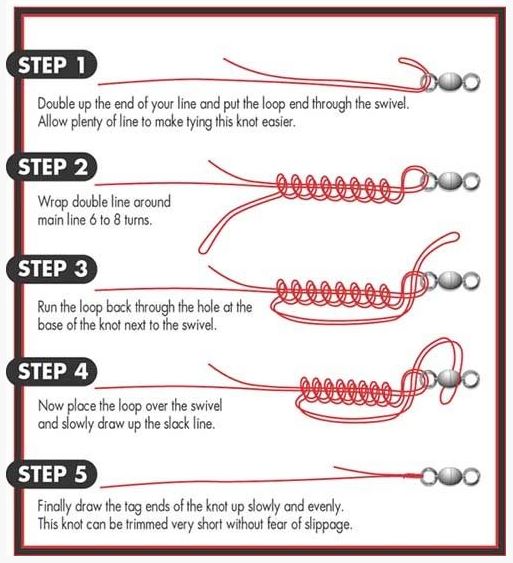
- Double about 6 inches of line and pass it through the hook eye.
- Tie a loose overhand knot with the doubled line.
- Pass the hook through the loop of the overhand knot.
- Pull the loop over the hook.
- Moisten the knot and pull both ends tight.
- Cut off the extra line close to the knot.
Loop Knot For Better Bait Movement
The Loop Knot lets your bait move naturally in the water. It keeps the hook free to swing.
- Make an overhand knot about 6 inches from the line end.
- Pass the tag end through the hook eye.
- Thread the tag end through the overhand knot loop.
- Wrap the tag end around the standing line 4-5 times.
- Pass the tag end back through the overhand knot loop.
- Moisten the knot and pull the standing line to tighten.
- Trim the tag end close to the knot.
Tips For Secure And Durable Ties
Putting a hook on a fishing line is easy if you tie it correctly. Strong knots keep your hook safe and your catch secured.
Use simple steps to make sure your knot lasts long and does not slip off during fishing.
Checking Knot Tightness
After tying the knot, pull the line and hook firmly. The knot should not slip or loosen. Make sure it feels tight but not too tight to damage the line.
Trimming Excess Line
- Cut off extra line close to the knot.
- Leave about 2 millimeters to avoid unraveling.
- Use sharp scissors to get a clean cut.
- Be careful not to cut too close or the knot may weaken.
Testing The Knot Strength
| Test Method | Description | What to Look For |
|---|---|---|
| Pull Test | Pull the line hard with your hands. | No slipping or breaking. |
| Water Test | Wet the knot before pulling. | Knot tightens and holds firm. |
| Hook Shake | Shake the hook to stress the knot. | No movement or loosening. |
Common Mistakes To Avoid
Putting a hook on a fishing line seems easy but many make mistakes. These errors can cause lost fish or broken lines.
Learn the common mistakes to avoid when attaching a hook. This will help your fishing stay strong and reliable.
Overtightening The Knot
Pulling the knot too tight can weaken the line. The knot may cut into the line and cause it to break.
Use steady pressure when tightening. Stop once the knot is snug and secure.
- Wet the line before tightening to reduce friction
- Pull slowly and evenly on the tag end and main line
- Avoid jerking the knot tight quickly
Using The Wrong Knot For Line Type
Different fishing lines need different knots. Using the wrong knot lowers knot strength and may slip.
Match your knot to the type of line. For example, braided line works best with knots like the Palomar.
- Monofilament line: Improved Clinch Knot
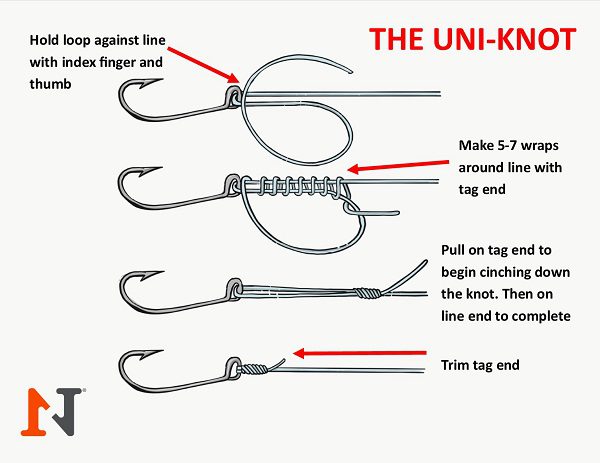
- Fluorocarbon line: Uni Knot
- Braided line: Palomar Knot
Ignoring Line Wear And Damage
Old or damaged line weakens your knot and may break under pressure. Check your line before tying.
Cut off worn or frayed parts before attaching the hook. Replace the line if you see many damaged areas.
- Look for nicks, frays, or discoloration on the line
- Test line strength by gently pulling and watching for weak spots
- Replace the line regularly for best results
Maintaining Your Tied Hooks
Taking care of your tied hooks helps keep your fishing line strong. Good maintenance prevents losing fish and gear.
Regular checks and proper storage make your hooks last longer. It also keeps you safe while fishing.
Inspecting Knots Before Fishing
Always check your knots before you start fishing. Look for loose or frayed parts that can break easily.
Tighten knots if needed and retie any that seem weak. A strong knot holds the hook firmly to the line.
- Look for loose loops or twists
- Check for worn or thin spots on the line
- Retie knots that do not feel tight
Replacing Damaged Hooks
Replace hooks that are bent, rusty, or dull. Damaged hooks reduce your chances of catching fish.
Use sharp hooks for better penetration and less harm to the fish. Keep extra hooks ready for quick changes.
- Remove bent or rusted hooks immediately
- Choose hooks that match your fishing needs
- Keep spare hooks in a small container
Storing Tied Lines Properly
Store tied lines in a dry and cool place to avoid damage. Avoid places with direct sunlight or moisture.
Keep lines untangled and wrapped neatly. Use small containers or line holders to stay organized.
- Keep lines away from heat and water
- Wrap lines loosely to prevent kinks
- Use labeled containers for different lines
Credit: www.beadinggem.com
Frequently Asked Questions
How Do I Tie A Hook To A Fishing Line?
To tie a hook, thread the line through the eye, wrap it around 5-7 times, then pass the tag end through the loop. Tighten the knot firmly to secure the hook. This method ensures a strong connection for effective fishing.
What Is The Best Knot For Attaching A Hook?
The improved clinch knot is popular and reliable. It offers strength and simplicity, ideal for most fishing lines. This knot prevents slippage and holds the hook firmly, enhancing your chances of landing a fish.
How Tight Should The Hook Knot Be?
The knot should be tight enough to prevent slipping but not so tight it damages the line. Pull firmly to secure the knot and trim excess line. Proper tension ensures the hook stays attached during casting and reeling.
Can I Use Any Fishing Line To Tie A Hook?
Most fishing lines work, but monofilament and fluorocarbon are preferred for tying hooks. These lines offer flexibility and knot strength. Avoid using damaged or overly stiff lines to maintain knot reliability.
Conclusion
Tying a hook on your fishing line is simple with practice. Use strong knots to keep the hook secure. Check your knot before casting to avoid losing fish. Take your time and be patient while learning. Soon, you will feel confident preparing your line.
Enjoy your fishing trips with better gear setup. Keep practicing, and fishing will become even more fun.