Are you ready to catch more fish but unsure how to properly put a hook on your fishing line? Getting this simple step right can make all the difference between a frustrating day and a successful fishing trip.
In this guide, you’ll learn easy, step-by-step methods to tie your hook securely and quickly. By the end, you’ll feel confident and prepared, so every cast has a better chance of landing a big catch. Keep reading, and discover the secrets that can turn your fishing experience around.
Credit: www.beadinggem.com
Choosing The Right Hook
Choosing the right hook is key to successful fishing. The hook must fit the fish and bait properly.
This guide covers types of hooks, sizing, and materials to help you pick the best one.
Types Of Fishing Hooks
There are many hook types for different fishing needs. Circle hooks are good for catch and release. J-hooks are common for general fishing. Treble hooks have three points and work well with lures.
- Circle Hooks: Reduce fish injury
- J-Hooks: Simple and versatile
- Treble Hooks: Ideal for lures
- Siwash Hooks: Used with spoons and plugs
- Octopus Hooks: Great for live bait
Matching Hook Size To Fish
Hook size depends on the fish you want to catch. Small fish need small hooks. Big fish require bigger, stronger hooks.
| Fish Type | Hook Size Range |
| Panfish | 8 to 14 |
| Trout | 6 to 10 |
| Bass | 2 to 6 |
| Catfish | 1 to 5/0 |
| Saltwater Species | 2/0 to 10/0 |
Material And Coating Options
Hooks come in different materials like steel and high-carbon steel. Coatings affect strength and rust resistance.
- Steel: Strong and affordable
- High-Carbon Steel: Durable and sharp
- Nickel Coating: Rust resistant
- Teflon Coating: Reduces visibility in water
- Black Nickel: Good for low light fishing

Credit: www.reddit.com
Preparing The Fishing Line
Getting your fishing line ready is important for a good catch. It helps you tie the hook correctly and fish safely.
This guide will show you how to prepare your fishing line before adding a hook. Follow these steps to avoid common problems.
Selecting The Proper Line Type
Choose a fishing line that fits the fish you want to catch. Different lines have different strengths and thicknesses.
- Monofilament line is easy to handle and stretches well.
- Fluorocarbon line is less visible underwater.
- Braid line is strong and has low stretch.
- Check the line’s test weight for the fish size.
Cutting And Handling The Line
Cut the line cleanly using sharp scissors or a line cutter. Avoid crushing or twisting the line.
| Tool | Use |
| Sharp scissors | Cut line cleanly without fraying |
| Line cutter | Designed for fishing lines, safe and quick |
| Hands | Handle gently to avoid knots and damage |
Checking For Line Damage
Always check your line for damage before tying a hook. A damaged line may break easily.
- Look for cuts, nicks, or frayed spots.
- Run your fingers along the line to feel rough areas.
- Replace the line if it shows any signs of damage.
- Use a new section of line for the best strength.
Popular Knot Techniques
Putting a hook on a fishing line is easy with the right knot. Strong knots keep the hook in place and prevent losing fish.
Learn about popular knots that many anglers use. These knots work well with different lines and hooks.
Improved Clinch Knot
The Improved Clinch Knot is a common knot for tying hooks. It is strong and simple to tie.
It works best with monofilament and fluorocarbon lines. This knot keeps the hook tight and secure.
- Pass the line through the hook eye
- Wrap the tag end around the line 5-7 times
- Thread the tag end through the small loop near the eye
- Then pass it back through the big loop
- Pull tight and trim the tag end
Palomar Knot
The Palomar Knot is very strong and easy to tie. It works well with braided and monofilament lines.
This knot keeps the hook in line with the fishing line. It is good for heavy or light lines.
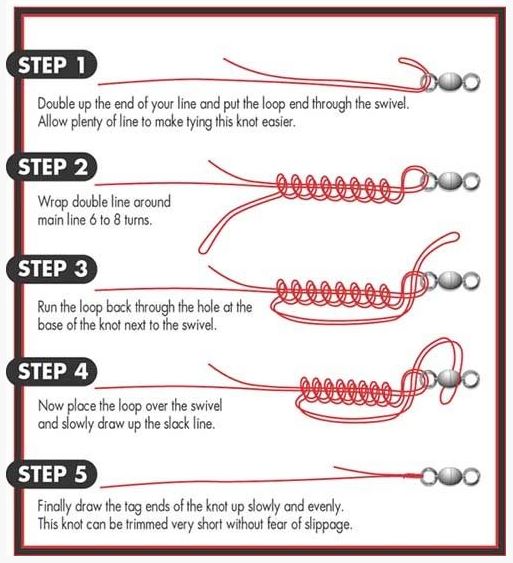
- Double about 6 inches of line and pass it through the hook eye
- Tie a loose overhand knot with the doubled line
- Pass the hook through the loop of the overhand knot
- Pull the knot tight around the hook eye
- Trim the tag end close to the knot
Loop Knot
The Loop Knot creates a small loop that lets the hook move freely. It is good for lures that need action.
This knot is simple and works with many types of line. It improves bait movement in the water.
- Make an overhand knot about 10 inches from the line end
- Pass the tag end through the hook eye
- Thread the tag end through the overhand knot loop
- Wrap the tag end around the standing line 4-5 times
- Pass the tag end back through the overhand knot loop
- Pull tight to form a strong loop knot
Step-by-step Hook Attachment
Putting a hook on a fishing line is an important skill. It helps you catch fish safely and effectively.
This guide shows you how to attach a hook in simple steps. Follow each part carefully to get a strong hold.
Threading The Line Through The Hook
First, take the end of your fishing line. Pass it through the eye of the hook carefully.
Make sure the line goes all the way through so you have enough length to tie knots later.
Tying Secure Knots
Tying the right knot keeps the hook attached during fishing. Use a strong knot that won’t slip.
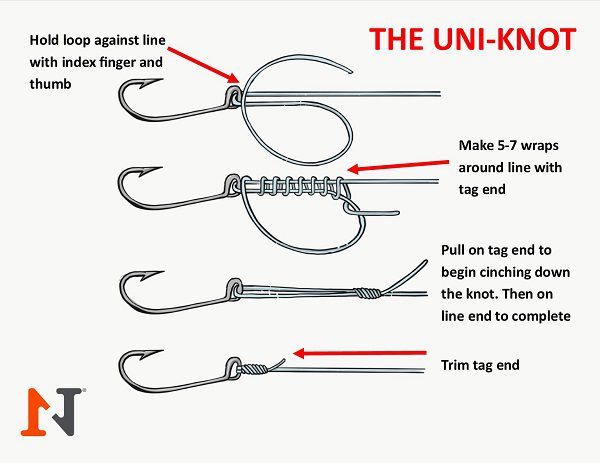
- Make a loop with the line near the hook eye.
- Wrap the line around the main line five times.
- Pass the end of the line through the loop.
- Pull the knot tight against the hook eye.
- Trim any extra line close to the knot.
Testing Knot Strength
Always check your knot before fishing. A weak knot can cause you to lose fish.
| Test Method | What to Do | Expected Result |
| Pull Test | Hold the hook and pull the line hard | Knot stays tight without slipping |
| Visual Check | Look for loose ends or gaps in the knot | Knots should look neat and firm |
| Water Test | Wet the knot and pull again | Wet knots hold better and stay tight |
Common Mistakes To Avoid
Putting a hook on a fishing line seems simple. Many people make mistakes that cause lost fish or broken lines.
Knowing what to avoid helps you fish better and keeps your gear strong. Here are common errors to watch out for.
Using The Wrong Knot
Not all knots hold well with hooks. Using the wrong knot can cause the hook to slip off during a catch.
Choose a knot made for fishing hooks, like the improved clinch knot or Palomar knot.
- Wrong knots reduce line strength
- Some knots slip easily under tension
- Right knots stay tight and secure
Not Tightening Knots Properly
Loose knots can come undone quickly. Tighten knots firmly but gently to avoid damaging the line.
Pull the line slowly to let the knot settle. Double-check the knot before fishing.
- Loose knots slip off hooks
- Over-tightening can weaken the line
- Proper tension keeps knots secure
Ignoring Hook Orientation
The way a hook sits on the line matters. Wrong orientation reduces hook efficiency and catch rate.
Make sure the hook eye faces the right way for your knot. This improves hook set and prevents twisting.
- Wrong orientation can cause line twist
- Hooks may not set properly on fish
- Check hook eye direction before tying
Maintaining Your Tackle
Keeping your fishing hooks and tackle in good shape helps you catch fish better. It also makes sure your gear lasts longer and works well every time.
Regular care of your hooks prevents problems like rust and weak points that can cause you to lose fish. Follow simple steps to maintain your fishing tackle.
Inspecting Hooks Regularly
Check your hooks before and after each fishing trip. Look for bent points, dull edges, or rust spots. Sharp hooks catch fish easier and hurt less.
- Look closely at the hook point and barb.
- Run your finger carefully to feel for sharpness.
- Check for any bends or cracks on the hook.
- Remove any dirt or debris from the hook eye.
Replacing Rusty Or Damaged Hooks
Rust weakens hooks and can cause them to break. Bent or dull hooks reduce your chances of catching fish. Replace any hook that shows damage or rust.
| Hook Condition | Action |
| Rust on hook surface | Replace immediately |
| Bent hook point | Replace or straighten carefully |
| Dull hook point | Sharpen or replace |
| Broken barb | Replace |
Storing Hooks Safely
Store your hooks in a dry place to stop rust. Use a tackle box with separate compartments. Keep hooks away from moisture and dirt to keep them sharp and strong.
- Dry hooks before storing after use.
- Use rust-proof containers or tackle boxes.
- Keep hooks separated to avoid tangling.
- Check stored hooks monthly for any signs of damage.

Credit: www.youtube.com
Frequently Asked Questions
How Do You Tie A Hook To A Fishing Line?
To tie a hook, use a strong knot like the improved clinch knot. Thread the line through the hook eye, twist it five times, then pass the end through the loop and tighten. This ensures a secure connection for better fishing success.
What Is The Best Knot For Attaching A Fishing Hook?
The improved clinch knot is the most reliable for hooks. It is strong, easy to tie, and holds well under pressure. This knot minimizes line slippage and breaks, making it ideal for various fishing conditions.
Can I Use Any Fishing Line To Tie A Hook?
Most fishing lines work, but monofilament and fluorocarbon lines are easiest to knot. Braided lines require special knots due to their slick texture. Choose the line based on your fishing type and ensure the knot suits the line’s material.
How Tight Should I Pull The Fishing Line Knot?
Pull the knot firmly but gently to avoid weakening the line. Tighten until the knot seats securely against the hook eye. Proper tension prevents slipping and maintains line strength for effective fishing.
Conclusion
Putting a hook on a fishing line is easier than it seems. Practice the steps slowly and carefully. Choose the right knot for your fishing needs. Check the hook and line for a secure hold. A strong connection helps catch more fish.
Keep your gear ready and neat. Soon, tying hooks will become second nature. Enjoy your fishing trips with confidence and skill. Keep learning and trying new knots for better results. Happy fishing!