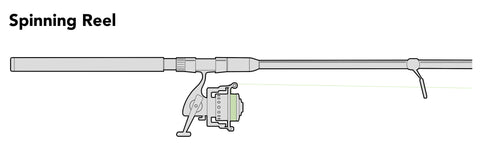
Are you ready to get your fishing pole ready for the next big catch? Knowing how to put a line on a fishing pole is an essential skill that can make a huge difference in your fishing experience.
Whether you’re a beginner or just need a quick refresher, this guide will walk you through every step clearly and simply. By the end, you’ll feel confident setting up your gear fast and correctly, so you can spend more time fishing and less time fixing.
Let’s dive in and get your line perfectly set!
Choosing The Right Fishing Line
Choosing the right fishing line is important for a good fishing experience. The right line helps you catch fish and avoid losing them.
There are different types and strengths of fishing lines. You need to pick one that fits your fishing style and the fish you want to catch.
Types Of Fishing Lines
Fishing lines come in several types. Each type has its own benefits and uses.
- Monofilament: A single strand, flexible and easy to handle.
- Fluorocarbon: Less visible in water, good for clear water fishing.
- Braid: Strong and thin, good for heavy cover areas.
Line Strength And Thickness
Line strength shows how much weight the line can hold. Thickness affects casting and how the line moves in water.
Stronger lines are thicker but harder to cast far. Thinner lines cast farther but may break easily.
| Line Strength (Pounds) | Common Use |
|---|---|
| 2-6 lbs | Small fish like trout |
| 8-12 lbs | Medium fish like bass |
| 15-30 lbs | Large fish like catfish |
Matching Line To Fish Type
Pick a line strength that fits the fish you want to catch. Use lighter lines for small fish and stronger lines for big fish.
Also, choose the line type based on water clarity and fishing conditions. Clear water needs less visible lines.
- Small fish: Use 2-6 lbs monofilament or fluorocarbon lines.
- Medium fish: Use 8-12 lbs monofilament or braid lines.
- Large fish: Use 15-30 lbs braid or heavy monofilament lines.

Credit: www.youtube.com
Preparing Your Fishing Pole
Before putting a line on your fishing pole, you need to prepare it well. This helps you avoid problems while fishing.
Getting your rod and reel ready takes only a few minutes. It makes fishing easier and more fun.
Inspecting The Rod And Reel
Look closely at your fishing rod for any cracks or damage. Check the reel for smooth turning and any broken parts.
Fix or replace any damaged parts before adding the fishing line. This keeps your gear safe and working well.
Opening The Reel Spool
To put the line on, open the spool on the reel carefully. This is where the fishing line will be placed.
Remove any old line or debris from the spool before adding new line. This helps the line spool evenly and avoids tangles.
Cleaning The Guides
Fishing guides are the rings on your rod. Clean them with a soft cloth to remove dirt and salt.
Clean guides help the line move smoothly and prevent wear or damage to the line.
Attaching The Line To The Reel
Putting fishing line on your pole starts with attaching it properly to the reel. A good connection keeps the line secure and helps you fish better.
This guide covers how to tie the line to the reel, secure it well, and start winding it on the spool.
Tying The Arbor Knot
The arbor knot holds the fishing line to the reel spool. It is strong and easy to tie. Begin by wrapping the line around the spool’s center.
- Pass the tag end of the line around the spool.
- Tie an overhand knot around the standing line.
- Tie a second overhand knot on the tag end itself.
- Pull both knots tight against the spool.
- Trim any extra line from the tag end.
Securing The Line
After tying the arbor knot, check that the line is tight and won’t slip. Use this table to compare common mistakes and how to fix them.
| Problem | Cause | Fix |
| Line slips on spool | Knot not tight | Retie knot firmly |
| Line twists or tangles | Loose line on spool | Keep line tight while winding |
| Tag end too long | Trim not done | Cut tag end close to knot |
Starting To Wind The Line
Begin winding the line evenly onto the reel spool. Keep tension on the line to avoid loose coils.
- Hold the line between your fingers to keep it tight.
- Turn the reel handle slowly to wrap the line.
- Guide the line evenly across the spool width.
- Fill the spool until it is about 1/8 inch from the edge.
- Stop winding and cut the line from the supply spool.

Credit: www.youtube.com
Winding The Line Onto The Reel
Putting a line on a fishing pole starts with winding it onto the reel. This process helps the line stay strong and ready for fishing.
Proper winding prevents tangles and makes casting easier. Let’s look at key tips to do it right.
Maintaining Line Tension
Keep the line tight while winding to avoid loose loops. Loose line can cause knots and tangles later.
Hold the line between your fingers or use a cloth to keep steady pressure. This helps the line wrap evenly on the spool.
Avoiding Line Twist
Line twist happens when the line spins too much during winding. It can weaken the line and cause knots.
- Attach the line to the reel spool securely.
- Turn the reel handle slowly and steadily.
- Let the line flow from the spool without spinning it.
- Check often for twists and fix them immediately.
Filling The Spool Properly
Fill the spool with enough line but do not overfill it. Too much line can fall off and tangle.
| Spool Type | Recommended Fill Level |
|---|---|
| Spinning Reel | Fill to 1/8 inch from the spool edge |
| Baitcasting Reel | Fill to 1/16 inch from the spool edge |
| Fly Reel | Fill to about 75% of spool capacity |
Threading The Line Through Guides
Threading the fishing line through the guides is an important step. It helps the line run smoothly when casting or reeling in fish.
Careful threading prevents tangles and protects the line from damage. Follow these tips to do it right.
Starting From The Bottom Guide
Begin by attaching the line to the reel spool. Then pull the line through the bottom guide, which is closest to the reel. This guide is usually the largest.
Make sure the line passes fully through the guide ring. This ensures smooth movement when you cast.
Working Up To The Tip
Next, pull the line through each guide moving up the rod. The guides get smaller as you move toward the tip. Take your time to avoid tangles.
- Hold the rod steady with one hand.
- Use the other hand to pull the line gently through each guide.
- Check that the line sits inside the guide ring without catching on edges.
- Continue this until the line reaches the tip of the rod.
Checking For Snags
| Common Snags | How to Fix |
|---|---|
| Line caught on guide edges | Pull line back and re-thread carefully |
| Twisted line | Untwist by letting line hang freely |
| Damaged guide ring | Replace or repair guide before use |
After threading, pull the line gently to check for any catches. Fix snags before fishing to avoid line breaks or casting problems.
Finishing The Setup
Putting a line on a fishing pole is not complete until you finish the setup properly. The final steps ensure your gear works well and stays secure.
This guide covers tying the terminal tackle, trimming excess line, and testing the line and reel. Each step helps you prepare for a good fishing experience.
Tying The Terminal Tackle
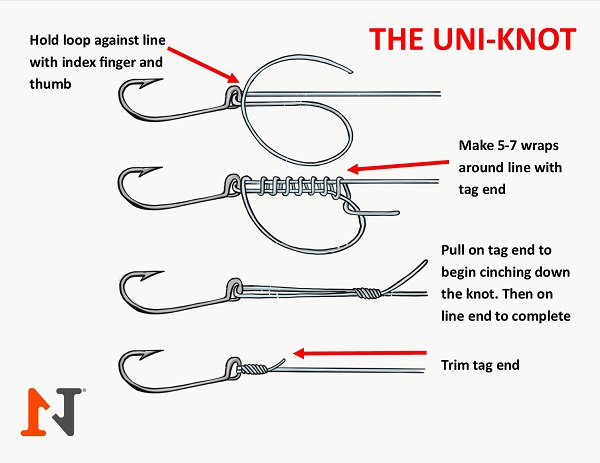
Tying the terminal tackle means attaching hooks, sinkers, or lures to the end of your fishing line. Use strong knots to keep these parts from slipping off.
- Thread the line through the eye of the hook or lure.
- Make a loop and wrap the line around itself five to seven times.
- Pass the loose end through the loop near the eye.
- Pull tight to secure the knot.
- Wet the knot with water or saliva to reduce friction.
Trimming Excess Line
After tying the knot, trim the excess line close to the knot. This prevents tangles and snags while fishing. Use sharp scissors or clippers for a clean cut.
Testing The Line And Reel
Before fishing, test your line and reel to make sure they work smoothly and hold well. This step helps you avoid problems on the water.
| Test | What to Check | Why It Matters |
|---|---|---|
| Line Strength | Pull the line gently to check for weak spots. | Prevents breakage when casting or catching fish. |
| Reel Function | Turn the handle to ensure smooth winding. | Makes casting and retrieval easier. |
| Knot Security | Give the knot a firm tug. | Keeps your tackle attached during use. |
Tips For Line Maintenance
Keeping your fishing line in good shape helps catch more fish. Proper care stops line breaks and tangles.
Follow simple maintenance tips to make your line last longer and work better on every trip.
Regular Line Inspection
Check your fishing line before and after each use. Look for cracks, frays, or weak spots. These can cause the line to break easily.
- Run your fingers gently along the line to feel for rough areas.
- Look closely under good light for any discoloration or damage.
- Replace the line if you find any cuts or worn sections.
Replacing Old Line
Old line loses strength and can snap during fishing. Change it regularly to avoid losing fish.
| Signs to Replace Line | Reason |
| Discoloration | Sun damage weakens the line |
| Fraying or Cuts | Line breaks easily at weak spots |
| Line Age Over 1 Year | Material degrades over time |
Storing The Rod Properly
Proper storage keeps your line and rod in top condition. Avoid damage and tangles by following these tips.
- Keep the rod in a dry place away from sunlight.
- Loosen the line tension on the reel after use.
- Store the rod vertically or in a rod rack to prevent bending.
- Cover the line with a protective sleeve if possible.
Credit: n1outdoors.com
Frequently Asked Questions
How Do I Attach Fishing Line To A Pole Spool?
First, thread the line through the rod guides. Tie the line to the spool using an arbor knot. Tighten the knot firmly before winding.
What Type Of Fishing Line Is Best For Beginners?
Monofilament line is ideal for beginners. It’s affordable, flexible, and easy to handle. This line suits most freshwater fishing scenarios well.
How Much Fishing Line Should I Put On My Pole?
Fill the spool about 1/8 inch from the edge. This prevents overfilling and line tangles. Exact length depends on rod and reel size.
How Do I Avoid Line Twists While Spooling?
Keep tension on the line while winding. Use a line conditioner if needed. Make sure the spool spins in the same direction as the reel.
Conclusion
Putting a line on a fishing pole is simple. Start with the right fishing line for your pole. Follow the steps carefully to avoid tangles. Make sure the line is secure and tight. Double-check for knots or twists. Practice makes perfect, so don’t worry if it’s not right the first time.
Fishing is more fun when you’re prepared. A properly lined pole leads to a great fishing experience. Enjoy the tranquility of fishing with confidence. Happy fishing!