If you love fishing, knowing how to put a line on a fishing reel is a skill you can’t afford to miss. Whether you’re getting ready for your first trip or need to replace worn-out line, this simple task can make all the difference between a great catch and frustration on the water.
You’ll discover clear, step-by-step instructions that anyone can follow. By the end, you’ll feel confident and ready to cast like a pro. Let’s get your reel ready and your fishing game stronger than ever!
Credit: letsgobassfishing.com
Choosing The Right Fishing Line
Choosing the right fishing line is important for a good fishing experience. The line affects how you cast and catch fish.
Different fishing lines work better for certain fish and fishing styles. Learn about the types and strengths before you pick.
Types Of Fishing Lines
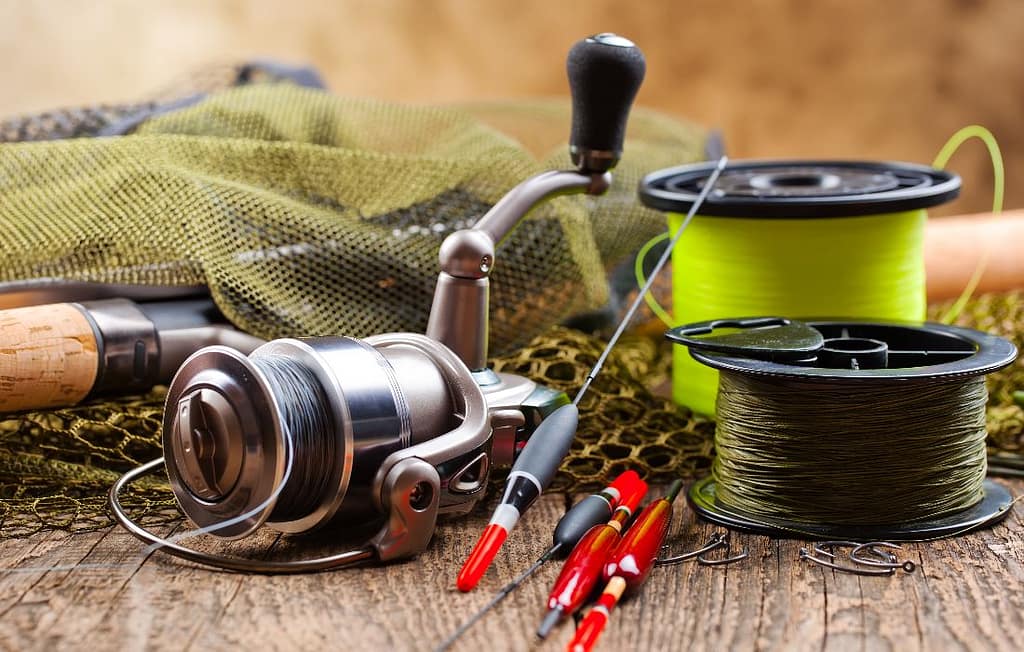
There are three main types of fishing lines: monofilament, fluorocarbon, and braided. Each has different features.
Monofilament lines are soft and stretch. Fluorocarbon lines are clear and sink faster. Braided lines are strong and thin.
- Monofilament: good for beginners, stretches under pressure
- Fluorocarbon: nearly invisible underwater, resists abrasion
- Braided: very strong, low stretch, good for heavy cover
Line Strength And Thickness
Line strength is measured in pounds and shows how much weight it can hold. Choose a line strong enough for your fish.
Thickness matters too. Thicker lines are easier to see but can reduce casting distance. Thinner lines cast farther but may break easier.
| Line Type | Typical Strength Range | Common Thickness |
|---|---|---|
| Monofilament | 4 to 30 lbs | 0.10 to 0.40 mm |
| Fluorocarbon | 4 to 25 lbs | 0.08 to 0.35 mm |
| Braided | 6 to 80 lbs | 0.06 to 0.50 mm |
Matching Line To Reel And Rod
Use a fishing line that fits your reel and rod. Check the reel’s line capacity and the rod’s recommended line strength.
Using the right line helps your gear work well and lasts longer. Too heavy or thick line can damage equipment or reduce performance.
- Check reel spool size for line length and diameter
- Match line strength to rod’s recommended pound test
- Consider fishing type and target fish size
Preparing Your Reel
Before putting new line on your fishing reel, it is important to get it ready. A clean and well-maintained reel helps the line last longer and work better.
Take time to remove the old line, clean the reel, and check for any damage. These steps will make your fishing experience smoother.
Removing Old Line
Start by taking off the old fishing line from the spool. This clears space for the new line and prevents tangles.
Cut the line near the spool and pull it out carefully. If the old line is tangled, unwind it slowly to avoid damage.
Cleaning The Reel
Clean your reel to remove dirt, salt, and debris. This helps the reel work smoothly and stops rust from forming.
- Use a soft cloth to wipe the reel surface.
- Apply a small amount of reel oil to moving parts.
- Use a soft brush to clean hard-to-reach areas.
- Avoid harsh chemicals that can damage the reel.
Inspecting For Damage
Check your reel for cracks, rust, or broken parts. Damaged reels can cause line problems and reduce fishing success.
Look closely at the spool, handle, and bail arm. Fix or replace any damaged parts before adding new line.
Attaching The Line To The Reel
Learning to put a line on a fishing reel is important for fishing. A properly attached line ensures smooth casting and reeling. Let’s explore the steps needed to attach a line securely.
We will focus on securing the line with a knot and threading it through the guides. Each step is easy and ensures your fishing reel is ready for action.
Securing The Line With A Knot
Start by taking the end of the fishing line. Wrap it around the spool of the reel. Make sure it is tight and secure before tying a knot.
Use a simple knot like the arbor knot. It is reliable and holds the line firmly on the spool.
- Wrap the line around the spool once.
- Tie a basic overhand knot with the free end.
- Tie another overhand knot close to the first.
- Pull the line tight to secure the knots.
Threading The Line Through Guides
Once the line is secured on the spool, start threading it through the guides. These are the loops on the fishing rod that direct the line.
Begin from the bottom of the rod and move up to the tip. Make sure the line is straight and not twisted.
- Insert the line into the first guide nearest the reel.
- Continue threading through each guide up to the rod tip.
- Check that the line is smooth and untangled.

Credit: www.youtube.com
Spooling The Line
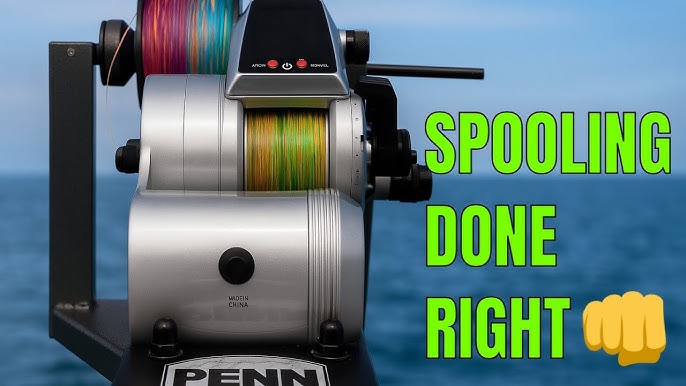
Spooling the line onto a fishing reel is an important part of fishing. It helps you cast smoothly and catch fish easily. Proper spooling makes sure your line does not tangle or break.
This guide will explain how to spool your line correctly. It covers keeping the right tension, filling the spool evenly, and avoiding common problems like line twist and overfilling.
Maintaining Proper Tension
Keeping the right tension on the fishing line while spooling is very important. If the line is too loose, it can tangle or slip off the spool. If it is too tight, the line might stretch or break.
You can keep tension by holding the line between your fingers or using a towel. Make sure the line stays tight but not stretched as you wind it onto the reel.
- Hold the line firmly with your fingers or a cloth
- Keep steady pressure while winding
- Check the tension often to avoid slack
Filling The Spool Evenly
It is important to fill the spool evenly with line. Uneven filling can cause casting problems and damage the reel. The line should lie flat and layer by layer on the spool.
Move the line back and forth across the spool with your hand or let the reel’s mechanism do it. This helps spread the line evenly and prevents bunching in one area.
- Start slowly to control line placement
- Guide the line side to side while winding
- Check that the line covers the spool evenly
Avoiding Line Twist And Overfilling
Line twist happens when the line spins too much during spooling. It causes knots and weak spots. To avoid this, let the line come off the supply spool in the same direction as the reel spool spins.
Do not overfill the spool. Leave a small space at the edge to prevent the line from slipping off. Overfilling can cause tangles and reduce casting distance.
- Match the direction of line feed and reel rotation
- Use a swivel if needed to reduce twist
- Stop filling when line is about 1/8 inch below spool edge
Finishing Touches
After you put the line on your fishing reel, some final steps help ensure smooth use. These finishing touches make your setup ready for fishing trips.
Take time to trim, test, and store your reel properly. This care extends the life of your line and reel.
Trimming Excess Line
Cut any extra fishing line left after winding to avoid tangles. Leave about a quarter-inch so the line stays secure.
- Use sharp scissors or a line cutter
- Cut close to the knot but do not cut the knot
- Tidy the cut end with a drop of clear nail polish if needed
- Check that the line is snug on the spool with no loose loops
Testing The Line Setup
Test your line to make sure it is properly attached and runs smoothly through the guides.
- Pull the line gently to check for secure knots
- Cast the line a few times to feel resistance and smooth movement
- Check the drag system to ensure it works well with the new line
- Look for any twists or weak spots in the line
Storing Your Reel Properly
Proper storage protects your fishing reel and line from damage and wear.
| Storage Tip | Why It Matters |
|---|---|
| Loosen the drag | Prevents spring damage in the drag system |
| Keep reel in a dry place | Prevents rust and corrosion |
| Cover spool with a protective cap | Keeps dust and dirt out |
| Store reel upright or hanging | Avoids line deformation and tangles |

Credit: www.youtube.com
Frequently Asked Questions
How Do You Start Putting Line On A Fishing Reel?
Begin by threading the line through the rod guides. Tie it securely to the reel spool using an arbor knot. Ensure the line is tight before you start winding it evenly onto the spool.
What Type Of Fishing Line Suits Spinning Reels Best?
Monofilament and braided lines work well with spinning reels. Monofilament offers stretch and ease, while braided lines provide strength and sensitivity. Choose based on your fishing needs and conditions.
How Much Line Should I Spool On My Fishing Reel?
Fill the spool until it’s about 1/8 inch below the reel lip. Avoid overfilling, which causes tangling, or underfilling, which reduces casting distance.
How To Prevent Line Twist When Spooling A Reel?
Keep the line spool parallel to the reel spool while winding. Avoid letting the line twist by maintaining tension and guiding it evenly onto the spool.
Conclusion
Putting a line on a fishing reel is simple with the right steps. Take your time and follow each part carefully. A well-spooled reel helps you fish better and avoid tangles. Practice a few times to build confidence. Soon, you will do it quickly and easily.
Enjoy your fishing trips with smooth casting and strong line hold. Keep your reel in good shape for longer use. Fishing becomes more fun when your gear works well. Try it today and feel the difference yourself.