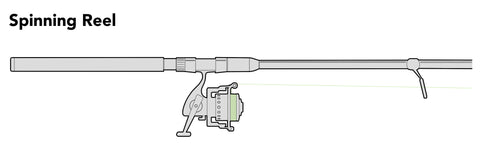
Getting your fishing rod ready starts with one simple but crucial step: putting the line on it correctly. If you want to avoid tangles, improve casting distance, and catch more fish, learning how to put a line on a fishing rod the right way is key.
Whether you’re new to fishing or just need a quick refresher, this guide will walk you through the process step-by-step. By the end, you’ll feel confident and ready to hit the water with a perfectly prepared rod. Keep reading to discover the easy techniques that can make all the difference in your fishing experience.
Choosing The Right Fishing Line
Choosing the right fishing line is important for a good fishing experience. The line connects your rod and reel to the fish.
Pick a line that fits your fishing style and the type of fish you want to catch. This guide helps you understand what to look for.
Types Of Fishing Lines
Fishing lines come in different materials. Each type has its own strength and stretch.
- Monofilament:Good for beginners. It stretches well and is easy to handle.
- Fluorocarbon:Hard to see underwater. It sinks fast and resists abrasion.
- Braid:Very strong and thin. It has little stretch and is sensitive.
Matching Line To Rod And Reel
Each rod and reel has a recommended line type and strength. Check the manufacturer’s label on your gear.
| Rod Type | Line Type | Line Strength (lbs) |
| Light Spinning | Monofilament or Fluorocarbon | 4-8 |
| Medium Spinning | Monofilament, Fluorocarbon, or Braid | 8-12 |
| Heavy Casting | Braid or Heavy Monofilament | 15-30 |
Line Strength And Thickness
Line strength is the weight a line can hold before breaking. Thickness affects casting distance and visibility.
- Stronger lines are thicker but harder to cast far.
- Thinner lines cast farther but may break on big fish.
- Match line strength to the size of fish you want to catch.

Credit: www.youtube.com
Preparing The Rod And Reel
Putting a line on a fishing rod is an essential skill for anglers. A well-prepared rod and reel ensure a smooth fishing experience. Let’s go through the steps to prepare your equipment.
Before stringing the line, make sure your rod and reel are in top condition. This ensures that your setup works efficiently and lasts longer.
Cleaning The Reel
Dust and dirt can affect your reel’s performance. Clean your reel to avoid problems while fishing. Use a soft cloth to wipe away any dirt.
Check the moving parts of the reel. Apply a small amount of oil to keep them smooth. Avoid using too much oil as it can attract more dirt.
Attaching The Reel To The Rod
Attach the reel securely to the rod. Make sure it is tightly fastened. This prevents it from wobbling while casting or reeling in a fish.
Locate the reel seat on the rod. Slide the foot of the reel into the seat and tighten the screws or clamps. Double-check that the reel is firmly attached.
Checking Guides And Components
Inspect the guides along the rod. These are the loops that the line passes through. Make sure they are not bent or damaged.
Check all components, like the handle and tip of the rod. Ensure everything is in good condition. This helps prevent breakage during fishing.
- Clean the guides with a damp cloth
- Ensure the handle is secure and not loose
- Examine the rod tip for cracks
Attaching The Line To The Reel
Putting a fishing line on a rod starts with attaching it to the reel. This step is important for smooth casting and reeling.
Learning the right way to attach the line helps avoid problems like tangles and breaks.
Spooling Techniques
Spooling means winding the line onto the reel. It should be tight but not too tight.
Keep the line under light tension as you spool. This keeps the line neat on the reel.
- Place the reel on a stable surface or hold it firmly
- Feed the line through the rod guides starting from the tip
- Attach the line to the reel spool with a secure knot
- Turn the reel handle slowly while keeping the line tight
- Fill the spool to about 80% to avoid overfilling
Tying The Line Securely
Use a strong knot to attach the line to the reel spool. A secure knot stops the line from slipping.
The Arbor knot is a simple and effective choice for tying the line.
- Wrap the line around the reel spool
- Tie an overhand knot around the main line
- Tie a second overhand knot at the tag end
- Pull both knots tight against the spool
- Trim the tag end close to the knot
Avoiding Line Twists
Line twists cause tangles and weak spots. Avoid them during spooling and fishing.
Let the line come off the spool in the same direction it is wound onto the reel.
- Keep the line spool flat and level while spooling
- Use swivel connectors to reduce twists during fishing
- Do not let the line twist while tying knots
- Check line direction often as you spool
- Replace old or damaged line to prevent twists

Credit: www.youtube.com
Spooling The Line Onto The Reel
Spooling the line onto your fishing reel is an important skill. It helps you cast smoothly and catch fish better.
This guide explains how to spool the line correctly. Focus on keeping tension, filling the spool well, and avoiding common mistakes.
Maintaining Tension
Keeping tension on the line while spooling stops tangles and loose loops. You want the line tight but not too tight.
Here are tips to keep good tension:
- Pinch the line between your thumb and finger as it goes on the spool.
- Ask a friend to hold the line spool with slight resistance.
- Use a cloth to add friction if you spool alone.
- Turn the reel slowly and steadily to keep control.
Filling The Spool Properly
Fill the spool until it is almost full but leave some space. Overfilling or underfilling can cause problems.
| Spool Fill Level | Effect |
| Too Full | Line may slip off or tangle easily |
| Just Right | Good casting and less tangles |
| Too Empty | Short casts and line tangles |
Stop filling the spool about 1/8 inch from the edge. Check the line wraps evenly across the spool.
Common Mistakes To Avoid
- Not keeping tension causes loose coils.
- Filling the spool too full leads to line slips.
- Using old or damaged line reduces strength.
- Twisting the line while spooling creates tangles.
- Not securing the line to the reel before spooling.
Check your work often. Fix any loose spots before you finish spooling.
Threading The Line Through Guides
Putting a line on a fishing rod starts by threading it through the guides. These are the small loops along the rod that keep the line steady. Doing this right helps with casting and reeling in fish smoothly.
Follow simple steps to thread the line carefully. This prevents tangles and damage to your line or rod.
Starting From The Reel End
Begin threading the line from the reel end of your fishing rod. Pull the line from the reel spool carefully. Hold the rod steady with one hand and guide the line with the other.
Pass the line through the closest guide first, then continue through each guide until you reach the rod tip.
- Keep the line tight but not too tight
- Use your fingers to thread the line through each guide
- Make sure the line runs smoothly through all guides
Ensuring Smooth Line Flow
Check that the line flows without any resistance through the guides. Smooth flow means better casting distance and accuracy. It also helps avoid line breaks.
If you feel any rough spots, stop and adjust the line. Make sure the line is not rubbing against the rod or guides harshly.
- Keep the line straight and taut
- Adjust the line if it catches on guides
- Make sure guides are clean and not damaged
Checking For Snags Or Twists
After threading, check the line for snags or twists. Twisted line can weaken and cause problems while fishing. Snags may cause the line to catch or break.
Run your fingers gently along the line from the reel to the tip. Look for any loops, knots, or rough spots.
- Untwist the line by letting it hang freely
- Remove any knots before casting
- Replace the line if it is damaged or worn out
Final Adjustments And Testing
After putting a line on your fishing rod, you need to make some final adjustments. These steps help ensure the line works well and lasts long.
This guide covers trimming excess line, testing casting distance, and adjusting drag settings.
Trimming Excess Line
Cut off any extra fishing line beyond the knot on the reel. Leaving too much line can cause tangles and reduce casting accuracy.
- Use sharp scissors or line clippers.
- Leave about 1/8 inch of line past the knot.
- Check the line for frays or weak spots near the knot.
- Trim carefully to avoid damaging the knot.
Testing Casting Distance
Test your cast in an open area without obstacles. This helps you see if the line is set up properly and if it flows smoothly from the reel.
| Test Factor | What to Check | Action |
| Line Flow | Line should come off without snagging | Re-spool if needed |
| Casting Distance | Line should reach expected distance | Adjust casting technique |
| Line Tangles | No loops or knots during cast | Check reel tension and line |
Adjusting Drag Settings
The drag controls how much resistance a fish feels when pulling the line. Adjust it to avoid line breakage or losing fish.
- Turn the drag knob clockwise to increase resistance.
- Turn it counterclockwise to reduce resistance.
- Set drag to about one-third of your line’s breaking strength.
- Test drag by pulling line with your hand before fishing.
Maintaining Your Fishing Line
Taking care of your fishing line helps you catch more fish. A well-maintained line lasts longer and stays strong.
Check your line often and replace it when needed. Proper storage keeps the line from damage.
Regular Inspections
Look over your fishing line before every trip. Search for cracks, frays, or weak spots that can break easily.
Also check if the line feels rough or sticky. These signs mean it needs attention.
- Run your fingers along the line
- Look for any discoloration or damage
- Test the line’s strength gently
Replacing Old Line
Old fishing line loses strength and can snap easily. Change the line if it shows wear or after many uses.
Choose the correct line type and strength for your rod. This helps you fish safely and effectively.
- Remove the old line carefully
- Clean the reel before adding new line
- Spool the new line evenly
Storing The Rod And Line
Store your fishing rod in a dry place to avoid damage. Keep the line loose to prevent stretching.
Avoid tight knots and tangles. Use a rod rack or case for protection during storage.
- Keep the rod upright or horizontal on a rack
- Loosen the drag on the reel
- Cover the rod tip to prevent damage
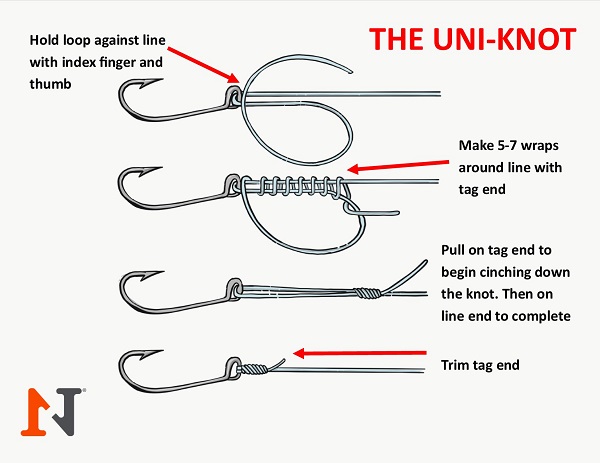
Credit: n1outdoors.com
Frequently Asked Questions
How Do I Start Putting Line On A Fishing Rod?
Begin by threading the line through the rod guides starting from the tip. Tie the line securely to the reel spool using an arbor knot. Wind the line evenly onto the reel, maintaining tension to avoid tangles or loose coils.
What Type Of Fishing Line Is Best For Beginners?
Monofilament line is ideal for beginners due to its flexibility and ease of handling. It offers good knot strength and is affordable. This line type works well for most freshwater fishing situations.
How Much Fishing Line Should I Put On My Reel?
Fill your reel spool to about 1/8 inch below the edge. This prevents overfilling and reduces line tangles. The exact amount depends on your reel size and fishing line thickness.
How Do I Prevent Line Tangles When Spooling?
Keep consistent tension on the line while spooling to avoid slack. Use a line conditioner or wet your fingers to reduce friction. Ensure the line feeds evenly onto the spool.
Conclusion
Putting a line on a fishing rod is simple and quick. Just follow the steps carefully and take your time. Check that the knots are tight and the line is smooth. This helps avoid problems while fishing. Practice a few times to build confidence.
Soon, you will prepare your rod easily for any fishing trip. Enjoy your time by the water with a properly set fishing line.