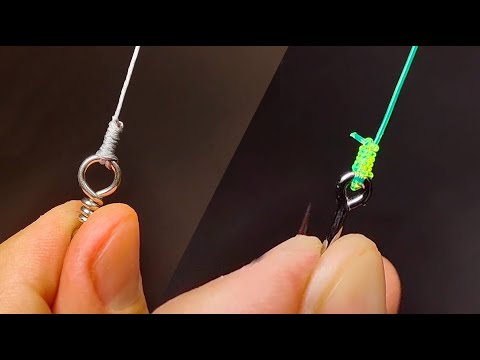
Are you tired of your fishing line twisting and tangling every time you cast? Learning how to put a swivel on a fishing line can change your fishing experience completely.
It keeps your line smooth, prevents knots, and makes your bait move naturally in the water. In this guide, you’ll discover simple steps to attach a swivel quickly and easily, even if you’re new to fishing. By the end, you’ll be ready to fish smarter and catch more.
Keep reading to master this essential skill and improve your time on the water.

Credit: www.amazon.ca
Choosing The Right Swivel
Adding a swivel to your fishing line prevents twists and tangles. Choosing the right swivel helps improve your fishing experience.
This guide explains the types of fishing swivels and how to pick the right size and strength for your line.
Types Of Fishing Swivels
Fishing swivels come in several types. Each type fits different fishing needs and styles.
- Barrel Swivel:Simple design, good for general use.
- Ball Bearing Swivel:Smooth rotation, ideal for heavy fish.
- Snap Swivel:Has a clip for quick lure changes.
- Three-Way Swivel:Allows attaching multiple lines or baits.
Size And Strength Considerations
Choose a swivel size that matches your fishing line and target fish. Too small can break. Too large can scare fish away.
| Swivel Size | Line Strength (lbs) | Best Use |
|---|---|---|
| Small (Size 10-16) | 2 – 10 | Light freshwater fishing |
| Medium (Size 6-8) | 10 – 30 | General freshwater and light saltwater |
| Large (Size 2-4) | 30 – 60 | Heavy freshwater and saltwater |
| Extra Large (Size 1/0 and up) | 60+ | Big game fishing |
Preparing Your Fishing Line
Preparing your fishing line correctly helps you attach a swivel easily. A good setup prevents tangles and line damage.
Follow simple steps to get your line ready for a swivel. Careful preparation improves your fishing experience.
Selecting The Line Section
Choose the part of the line where you want to add the swivel. This section should be strong and free of damage.
- Pick a section close to the rod tip for better control.
- Check for any frays or weak spots on the line.
- Select a length long enough to tie knots securely.
- Use a line that matches the swivel size and type.
Trimming And Cleaning The Line End
Trim the line end to remove old knots or damage. Clean the end to make it smooth and easy to tie.
| Task | Tools Needed | Purpose |
| Trim the line | Sharp scissors or line cutters | Remove damaged or frayed parts |
| Clean the line end | Clean cloth or paper towel | Remove dirt and smooth the line |
| Check for damage | Good lighting or magnifier | Ensure line is strong for knot tying |
Attaching The Swivel
Attaching a swivel to your fishing line can prevent tangles. It allows your lure to move naturally in the water. Here are some methods to attach a swivel securely.
These techniques are easy to learn and quick to execute. They ensure that your fishing experience is smooth and enjoyable.
Simple Loop Knot Method
The simple loop knot is great for beginners. It is easy to tie and holds well in most conditions.
- Make a loop in your fishing line.
- Pass the loop through the swivel’s eye.
- Pull the loop over the swivel.
- Tighten the knot by pulling both ends of the line.
Improved Clinch Knot Technique
The improved clinch knot is stronger than the simple loop knot. It is ideal for heavier lines and larger fish.
- Thread the line through the swivel’s eye.
- Wrap the line around itself five times.
- Pass the end of the line through the first loop.
- Pull tight to secure the knot.
Palomar Knot For Extra Security
The Palomar knot offers extra security. It is suitable for braided lines and ensures a firm hold.
- Double the line and pass it through the swivel’s eye.
- Tie a simple overhand knot with the doubled line.
- Pass the swivel through the loop.
- Pull both ends of the line to tighten the knot.

Credit: www.amazon.ca
Testing The Connection
After attaching a swivel to your fishing line, it is important to test the connection. This ensures the swivel will hold during fishing.
Testing prevents lost fish and gear damage by confirming the strength and movement of the swivel setup.
Checking Knot Tightness
Check that the knot securing the swivel is tight and neat. A loose knot can slip and cause line failure.
- Pull gently on the line to feel the knot’s grip.
- Look for any gaps or frays near the knot.
- If the knot moves or loosens, retie it firmly.
- Trim excess tag ends close to the knot.
Ensuring Swivel Movement
The swivel must spin freely to prevent line twists. Check that it moves without restriction.
| Test | Expected Result |
| Spin the swivel by hand | Swivel rotates smoothly without sticking |
| Pull line and twist | Swivel turns to untwist the line |
| Check swivel eye alignment | Both eyes align properly without bending |
Tips For Long-lasting Swivel Attachment
Attaching a swivel to your fishing line can reduce line twists and improve casting. Proper care helps the swivel last longer and work better.
Follow simple tips to keep your swivel secure and your fishing line strong. This guide helps you maintain your setup for many fishing trips.
Avoiding Line Twists
Line twists cause tangles and weaken your line. Using a swivel helps stop twists. Make sure you attach the swivel correctly to reduce these problems.
Use smooth, steady movements when reeling in. Avoid letting the line spin freely. This keeps the swivel from overworking and prevents twists.
Regular Knot Inspection
Check your knots often to keep your swivel attached safely. Knots can loosen or wear out with use. Tighten or retie knots when needed.
- Look for frayed or damaged line near the knot
- Test the knot by pulling firmly before fishing
- Retie knots after catching big fish or heavy use
Replacing Worn Swivels
Swivels wear out over time. Rust, cracks, or stiff movement mean you should replace them. Old swivels may break and cause lost fish.
Keep spare swivels in your tackle box. Swap out worn ones quickly to keep your line safe and your fishing smooth.

Credit: www.youtube.com
Frequently Asked Questions
What Is The Purpose Of A Swivel On A Fishing Line?
A swivel prevents line twisting and tangling while fishing. It allows the lure or bait to spin freely. This helps maintain line strength and improves casting and retrieval efficiency.
How Do You Attach A Swivel To A Fishing Line?
To attach a swivel, thread the line through the swivel eye. Tie a secure knot, like the improved clinch knot. Trim excess line to avoid snags.
Can I Use Any Swivel Size For Fishing?
Choose a swivel size based on your fishing line strength and target fish. Smaller swivels suit light lines and small fish. Larger swivels fit heavy lines and bigger fish.
How Often Should I Replace A Swivel On My Line?
Replace swivels if they show rust, wear, or damage. Regular replacement prevents line failure. Inspect swivels before each fishing trip for safety.
Conclusion
Attaching a swivel to your fishing line helps prevent twists and tangles. It makes casting and reeling smoother and easier. Follow the steps carefully for the best results. Practice a few times to get comfortable with the process. This small change can improve your fishing experience a lot.
Keep your gear organized and ready for your next trip. Enjoy fishing with less hassle and more fun. Simple tips like this make a big difference on the water.