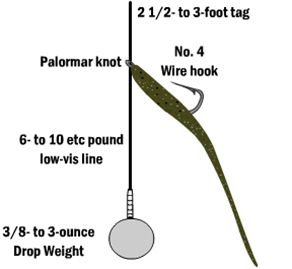
Are you struggling to get your fishing rod just right? Knowing how to put a weight on a fishing rod can make all the difference between a frustrating day and a successful catch.
It’s not as tricky as it sounds, and once you master this simple skill, your fishing experience will improve dramatically. In this guide, you’ll discover easy steps to balance your rod perfectly, helping you cast farther and fish smarter. Keep reading, and you’ll be ready to reel in more fish with confidence.
Choosing The Right Weight
Adding weight to your fishing rod helps you cast better and reach deeper water. The right weight makes fishing easier and more effective.
Choosing the right weight depends on your rod, line, and the fishing conditions. Pick a weight that matches your setup and the fish you want to catch.
Types Of Fishing Weights
Fishing weights come in many shapes and sizes. Each type works best for certain fishing styles and conditions.
- Split Shot: Small, round weights that clip onto the line.
- Egg Sinkers: Oval weights with a hole in the middle for the line.
- Bullet Weights: Shaped like a bullet, good for fishing in weeds.
- Bank Sinkers: Large, heavy weights for deep water or strong currents.
- Pyramid Sinkers: Shaped like a pyramid, great for surf fishing.
Matching Weight To Rod And Line
Your fishing rod and line have limits on how much weight they can handle. Use weights that fit within these limits to avoid damage.
Light rods and lines need light weights. Heavy rods and strong lines can hold heavier weights for bigger fish.
- Check the rod’s recommended weight range.
- Match the weight to the line’s test strength.
- Balance the weight so casting feels smooth and controlled.
Considering Fishing Conditions
Water depth, current speed, and wind affect how much weight you need. Adjust your weight to suit these conditions.
Use heavier weights in strong currents or deep water. Choose lighter weights for calm water or shallow areas.
- Strong current: Use heavier weights to hold your bait steady.
- Calm water: Lighter weights help keep bait natural.
- Windy days: Heavier weights improve casting distance.
- Shallow water: Lighter weights prevent snagging on the bottom.
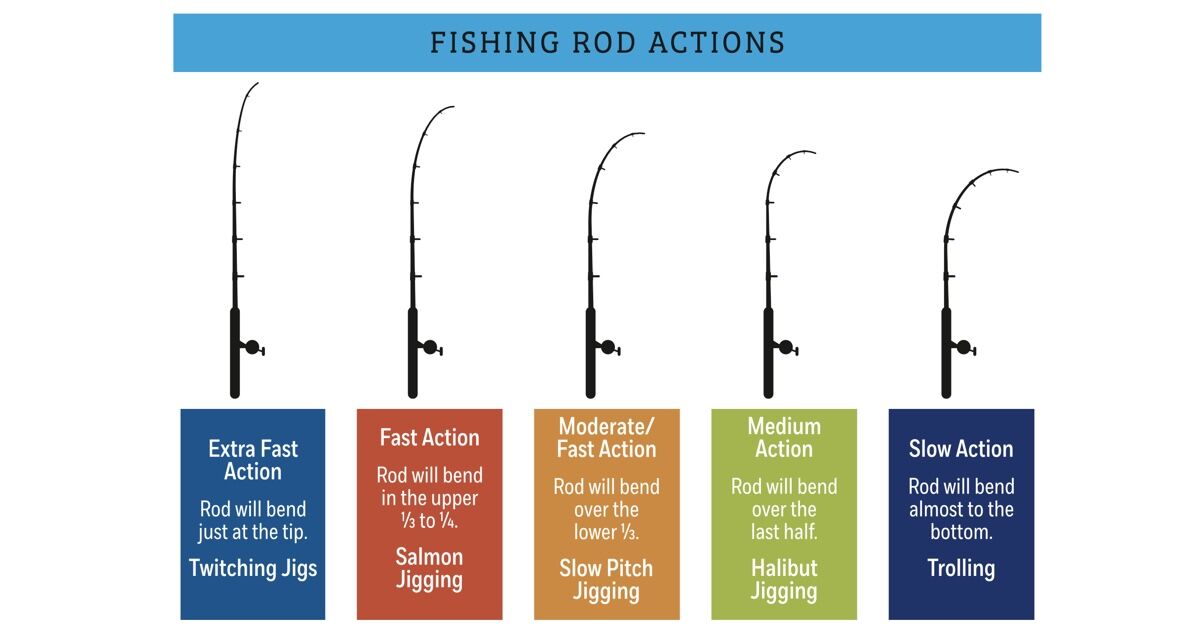
Credit: islandfishermanmagazine.com
Attaching Weights To Your Rod
Putting weight on your fishing rod helps your bait sink properly. It keeps the line steady in the water. This guide shows simple ways to attach weights.
Different weights fit different fishing styles and water conditions. Choose the right method to improve your fishing experience.
Using Split Shot Weights
Split shot weights are small and easy to clip on your fishing line. They come in various sizes to control how much weight you add.
- Pinch the split shot with pliers to open it.
- Place it on your line where you want the weight.
- Squeeze it closed to hold the line firmly.
- Space multiple split shots for better balance.
Adding Slip Sinkers
Slip sinkers slide freely along the line. Use a small bead to stop the sinker from touching the knot or lure.
| Component | Purpose |
|---|---|
| Slip Sinker | Allows free movement on the line |
| Bead | Protects knot from sinker damage |
| Swivel | Prevents line twist |
Thread the slip sinker onto the line first. Then add the bead. Tie the hook or lure below the swivel. This setup helps your bait move naturally.
Securing Egg Sinkers
Egg sinkers are shaped like an egg with a hole through the middle. They slide on the line to add weight without stopping movement.
- Thread the egg sinker onto your line.
- Add a small bead after the sinker.
- Tie your hook or lure below the bead.
- Use a swivel to reduce line twist.
Egg sinkers work well in currents because they let your bait move freely. This keeps your line less likely to tangle.
Balancing For Better Casting
Balancing a fishing rod is key to improving your casting. The right balance helps in achieving greater distance and accuracy. Let’s explore how to put a weight on your fishing rod for better results.
Understanding how to balance your rod can make casting easier. This guide will show you how to achieve the perfect balance for better fishing experiences.
Finding The Rod’s Balance Point
The balance point is where the rod feels weightless in your hand. Finding this point is crucial for comfort and performance.
- Hold the rod horizontally using one finger.
- Move your finger along the rod until it stays level.
- Mark this spot as your balance point.
Adjusting Weight Placement
Once you find the balance point, adjust the weights accordingly. The placement of weight affects the rod’s sensitivity and casting ability.
| Weight Position | Effect |
| Near the reel | Increases control |
| Closer to tip | Improves casting distance |
| Center | Balances both control and distance |
Testing Cast Distance And Accuracy
After adjusting the weights, it’s time to test your setup. Testing helps in confirming if the balance enhances your casting performance.
Make small changes to the weight placement if needed. Check if these adjustments improve your casting distance and accuracy.

Credit: www.youtube.com
Tips For Casting With Added Weight
Adding weight to your fishing rod helps cast farther and reach deeper waters. It changes how your rod feels and moves during casting.
Using the right technique keeps your cast smooth and avoids problems like line twists or loss of sensitivity.
Proper Casting Technique
Hold the rod firmly but relaxed. Keep your wrist straight and use your forearm to swing the rod backward and forward. Let the added weight guide the cast naturally.
- Start with a slow back cast to load the rod.
- Pause briefly to let the weight fall behind you.
- Swing the rod forward smoothly, releasing the line at the right moment.
- Follow through with the rod tip pointing toward your target.
Avoiding Line Twists And Snags
Weight can cause your line to twist or catch on obstacles. Watch the line closely during your cast and retrieve.
| Cause | How to Prevent |
|---|---|
| Over-spinning lure or weight | Use swivel or balanced weight |
| Snagging on rocks or plants | Cast beyond or above cover |
| Twisting line on retrieve | Keep line tight and reel smoothly |
Maintaining Rod Sensitivity
Added weight can reduce how well you feel bites. Choose lighter weights and adjust your grip to stay connected with the rod tip.
- Use sensitive rods designed for weighted casting.
- Hold the rod closer to the reel for better control.
- Focus on subtle movements of the rod tip.
Common Mistakes To Avoid
Adding weight to a fishing rod can improve casting and bait presentation. It is important to avoid common mistakes that can harm your fishing experience.
Below are key errors to watch out for when putting weight on your rod. Avoiding these will help you fish better and keep your gear safe.
Using Too Much Weight
Using too much weight can strain your fishing rod and line. It may cause your rod to bend too much or even break.
- Heavy weights reduce rod sensitivity to bites.
- Excess weight makes casting harder and less accurate.
- It can damage the fishing line and cause snapping.
- Too much weight tires you out faster when fishing.
Placing Weights Incorrectly
Weight placement affects how your bait moves and how your rod performs. Incorrect placement can scare fish or cause tangles.
| Common Placement Mistakes | Effect on Fishing |
| Weights too close to the hook | Bait looks unnatural, scares fish |
| Weights too far from the hook | Bait sinks too fast or drifts badly |
| Uneven weight distribution on line | Line tangles and casting issues |
Ignoring Rod And Line Limits
Every rod and line has a weight limit. Ignoring these limits can cause gear failure and lost fish.
- Rod feels too stiff or bends too much under weight
- Fishing line frays or snaps easily
- Reduced casting distance or control
Check your rod and line specs before adding weights. Stay within the recommended range for best results.
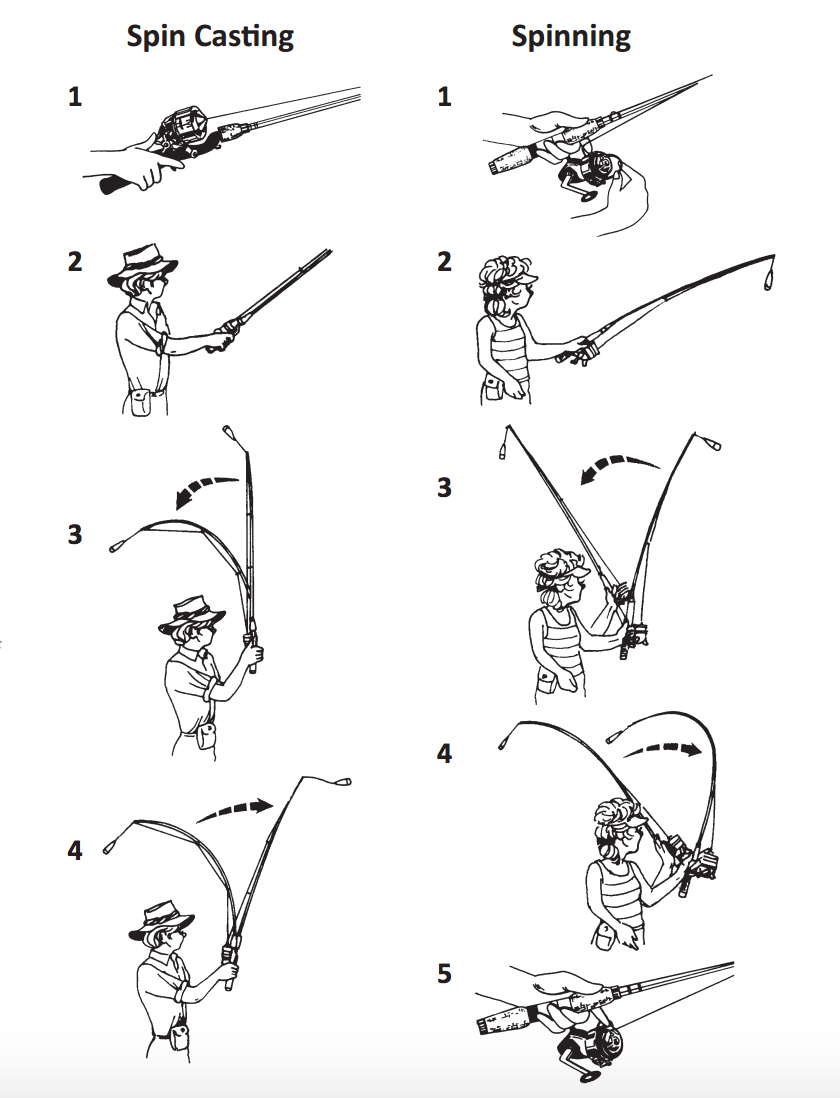
Credit: usfws.medium.com
Frequently Asked Questions
How Do You Attach Weight To A Fishing Rod?
Attach weight using a sinker or split shot near the hook. Secure it tightly to avoid slipping. This helps your bait sink properly and improves casting distance.
What Type Of Weight Is Best For Fishing Rods?
Split shot weights are best for light fishing rods. For heavier rods, use egg sinkers or bullet weights. Choose weight based on water depth and fishing style.
Where Should The Weight Be Placed On A Fishing Rod?
Place the weight 6 to 12 inches above the hook. This ensures proper bait presentation and prevents tangling. Adjust placement for different fishing conditions.
Why Is Adding Weight Important For Fishing?
Adding weight helps your bait sink to the desired depth. It improves casting accuracy and keeps the bait stable in currents. Weight enhances overall fishing effectiveness.
Conclusion
Adding weight to a fishing rod helps you cast farther and catch more fish. Use the right weight for your rod and fishing spot. Attach the weight securely to avoid losing it in water. Test your setup before you start fishing.
This simple step improves your fishing experience a lot. Keep practicing to find what works best for you. Enjoy your time by the water and happy fishing!