Are you struggling to keep your bait at the right depth while fishing? Knowing how to put a weight on your fishing line can make all the difference between a quiet day and a successful catch.
Adding the right weight helps your bait sink properly, stay steady in the water, and reach the fish where they’re hiding. In this guide, you’ll learn simple, step-by-step techniques to attach weights quickly and securely. By the end, you’ll feel confident and ready to improve your fishing game every time you cast.
Keep reading to discover the easy tricks that can help you catch more fish today.
Choosing The Right Weight
Adding weight to your fishing line helps control the bait’s depth and movement. The right weight improves your chances of catching fish.
Choosing the right weight depends on the fishing spot, water conditions, and the fish you want to catch.
Types Of Fishing Weights
Fishing weights come in different shapes and sizes. Each type serves a specific purpose for your fishing setup.
- Split Shot: Small, round weights that pinch onto the line. Good for light fishing.
- Egg Sinkers: Oval-shaped weights with a hole through the middle. They slide on the line easily.
- Bullet Weights: Shaped like bullets. They work well with soft plastic baits.
- Bank Sinkers: Heavy and shaped like a teardrop. Used for strong currents.
- Pyramid Sinkers: Pointed at one end to dig into the bottom. Good for surf fishing.
Matching Weight To Fishing Conditions
Water depth, current strength, and wind affect how much weight you need. Use heavier weights in deep or fast water.
Light weights work best in calm water and shallow areas. Adjust weight to keep your bait at the right depth.
- Calm water: Use light weights to avoid scaring fish.
- Strong currents: Use heavy weights to keep bait in place.
- Windy conditions: Heavier weights help control line drift.
- Deep water: Choose weights that reach the bottom faster.
Material Options For Weights
Fishing weights come in different materials. The choice affects the weight’s durability and environmental impact.
Lead weights are common but may harm the environment. Alternatives like steel or tungsten are eco-friendlier and last longer.
- Lead: Heavy and cheap but toxic to wildlife.
- Steel: Durable and less harmful, but heavier.
- Tungsten: Dense and small, ideal for subtle fishing.
- Brass: Corrosion-resistant and environmentally safer.

Credit: mysterytacklebox.com
Selecting Suitable Fishing Line
Choosing the right fishing line is key to a good fishing experience. The line must fit the type of fish and fishing method.
Focus on line strength, thickness, and material. These factors affect casting, durability, and fish control.
Line Strength And Thickness
Line strength shows how much weight the line can handle before breaking. Thickness affects how far you can cast and how the line moves in water.
- Stronger lines suit bigger fish and heavy cover fishing.
- Thinner lines cast farther and are less visible in water.
- Match line strength to the fish size and fishing gear.
Material Types For Fishing Line
Fishing lines come in different materials. Each type has its own benefits and limits.
| Material | Features | Best For |
|---|---|---|
| Monofilament | Stretchy, easy to handle, affordable | Beginners, general fishing |
| Fluorocarbon | Almost invisible, sinks fast, abrasion resistant | Clear water, stealth fishing |
| Braid | Very strong, thin diameter, no stretch | Heavy cover, deep water |
Attaching Weights To The Line
Adding weights to your fishing line helps your bait sink to the right depth. It also improves casting distance and control.
There are different ways to attach weights. Each method suits a type of fishing and fishing line.
Using Split Shot Weights
Split shot weights are small and easy to attach. They clip directly onto the fishing line without knots.
Pinch the split shot with pliers to close it around the line. Place it above the hook or lure.
- Choose the right size weight for your fishing needs.
- Place the split shot about 12 inches above the hook.
- Pinch gently to avoid damaging the line.
Applying Sliding Sinkers
Sliding sinkers move freely on the line. They allow fish to take the bait without feeling resistance.
Thread the sinker onto the line before tying the hook. Use a stopper knot below the sinker to control its movement.
- Select a sinker with a hole large enough for your line.
- Slide it onto the main line before the hook knot.
- Tie a stopper knot below to limit sliding distance.
Knot Techniques For Secure Attachment
Strong knots keep weights and hooks secure during casting and fishing. Learn simple knots that hold well.
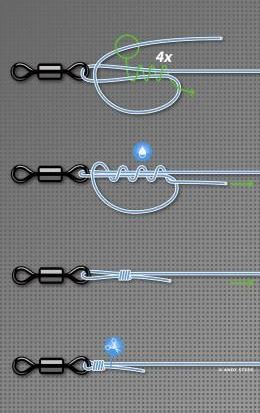
The improved clinch knot and Palomar knot are popular choices. They are easy to tie and very reliable.
- Improved Clinch Knot: Thread the line through the weight eye, wrap five times, and tighten.
- Palomar Knot: Double the line, pass through the weight, tie a loose knot, then pull the loop over the weight and tighten.
- Wet the line before tightening knots to avoid damage.

Credit: www.ebay.ca
Adjusting Weight Placement
Adding weight to a fishing line changes how the bait moves in water. You can move the weight to different spots on the line.
Adjusting where you put the weight helps catch more fish. It also affects how you cast and control the line.
Positioning For Different Fish Species
Different fish swim at different depths. Place the weight to reach the right depth for each fish.
For bottom feeders, put the weight close to the hook. For fish near the surface, keep the weight higher on the line.
- Catfish: Weight near the hook to stay on the bottom
- Trout: Weight 12-18 inches above the hook for mid-depth
- Bass: Weight farther from the hook for natural bait movement
- Panfish: Light weight closer to the bait for gentle presentation
Effects On Casting Distance And Accuracy
Weight placement changes how far you can cast. It also affects how straight your cast flies.
Putting weight too close to the rod tip can reduce control. Placing it in the middle helps balance and accuracy.
- Weight near the hook: Shorter casts, better for close targets
- Weight in the middle: Longer casts with good control
- Weight near the rod tip: Harder to cast far or straight
- Adjust weight to match rod and line for best results
Tips For Perfect Casting
Adding weight to your fishing line helps your bait reach the right depth. It also improves your casting distance. Using the right weight keeps your setup balanced and effective.
Good casting skills reduce line tangles and make fishing more enjoyable. Practice and the right setup are key to success.
Maintaining Balance Between Weight And Bait
Choose a weight that matches the size of your bait. Too heavy a weight can scare fish away. Too light a weight will not cast well or sink properly.
| Weight Size | Suitable Bait Size | Effect |
| Light (1-3 grams) | Small worms or minnows | Long casts, slow sinking |
| Medium (4-7 grams) | Medium-sized lures or bait | Good balance, moderate sinking |
| Heavy (8+ grams) | Large bait or deep water | Fast sinking, short casts |
Avoiding Line Tangles
Tangles ruin casting and can break your line. Use the right techniques to keep your line smooth and free of knots.
- Use swivels to prevent line twisting
- Check your line for twists before casting
- Keep the line tight while casting
- Practice smooth and steady casting motions
- Avoid overloading the line with too much weight
Practicing Casting Techniques
Regular practice improves your accuracy and distance. Start in open spaces and focus on smooth, controlled casts.
- Hold the rod firmly but relaxed.
- Bring the rod back smoothly.
- Pause briefly before the forward cast.
- Release the line at the right moment.
- Follow through with your rod after release.
Common Mistakes To Avoid
Adding weight to your fishing line helps you cast farther and reach deeper waters. Many anglers make simple mistakes that reduce their success.
Learn which errors to avoid for better fishing results and less frustration on the water.
Using Incorrect Weight Size
Choosing the wrong weight size causes poor casting and line damage. Too heavy a weight can scare fish or break the line. Too light a weight limits casting distance and depth.
- Use lighter weights for small fish or calm water.
- Choose heavier weights for strong currents or big fish.
- Match the weight to your rod and line strength.
- Avoid weights that are too heavy or too light for your setup.
Improper Knot Tying
Tying the weight to your line with a weak or wrong knot causes loss of tackle. A knot that slips or unties wastes time and gear.
Use strong, tested knots like the Palomar or improved clinch knot.
| Knot Type | Strength | Ease of Tying |
| Palomar Knot | Very Strong | Easy |
| Improved Clinch Knot | Strong | Moderate |
| Loop Knot | Medium | Moderate |
Neglecting Line Quality
Using old or poor-quality fishing line reduces casting and strength. Damaged lines break easily under weight tension.
- Check your line for cracks or frays before adding weight.
- Choose a line that matches the weight size and fishing conditions.
- Replace your line regularly to avoid unexpected breaks.

Credit: mysterytacklebox.com
Frequently Asked Questions
How Do You Attach A Weight To A Fishing Line?
To attach a weight, thread the fishing line through the weight’s hole. Secure it using a knot, like the clinch knot. This helps the weight stay in place. Properly securing the weight ensures better casting distance. It also aids in accurate bait presentation.
What Type Of Weights Should I Use?
Choose weights based on water conditions and fishing style. Split shots are versatile for freshwater fishing. Egg sinkers work well for bottom fishing. Use pyramid sinkers in strong currents. Match the weight type to your fishing environment for optimal results.
How Does Weight Placement Affect Fishing?
Weight placement influences bait depth and casting distance. Placing weights closer to the hook keeps bait near the bottom. Distance from the hook can affect bait presentation. Adjust placement based on fish behavior and water conditions. This strategy enhances your fishing success.
Can I Use Multiple Weights On One Line?
Yes, using multiple weights can be beneficial. It allows better control over bait depth and movement. Stagger weights for a natural bait presentation. Ensure weights are securely fastened. Experiment with different combinations for best results. This technique can improve your fishing effectiveness.
Conclusion
Adding weight to your fishing line helps control casting distance and bait depth. Choose the right weight size for your fishing spot. Tie the weight securely to avoid losing it during a cast. Practice tying knots to make the process easier and faster.
Remember, the correct weight improves your chances of catching fish. Keep your gear organized and check knots often. Enjoy fishing with confidence and patience. Small steps lead to better fishing results. Try different weights to find what works best for you.