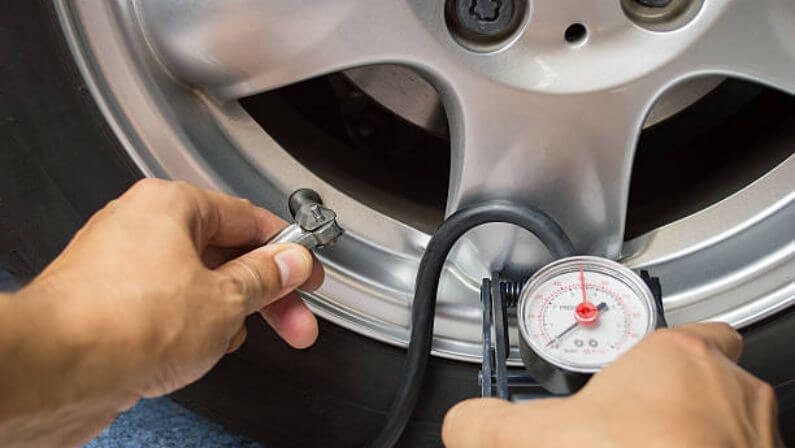
Have you ever noticed your car tire feeling a little soft but weren’t sure how to fix it? Knowing how to put air in a car tire is an essential skill that can save you time, money, and stress.
Imagine avoiding a flat tire on the road or improving your car’s fuel efficiency with a simple, quick step. In this guide, you’ll learn exactly what you need to do to keep your tires properly inflated—and keep your drive smooth and safe.
Let’s get started!
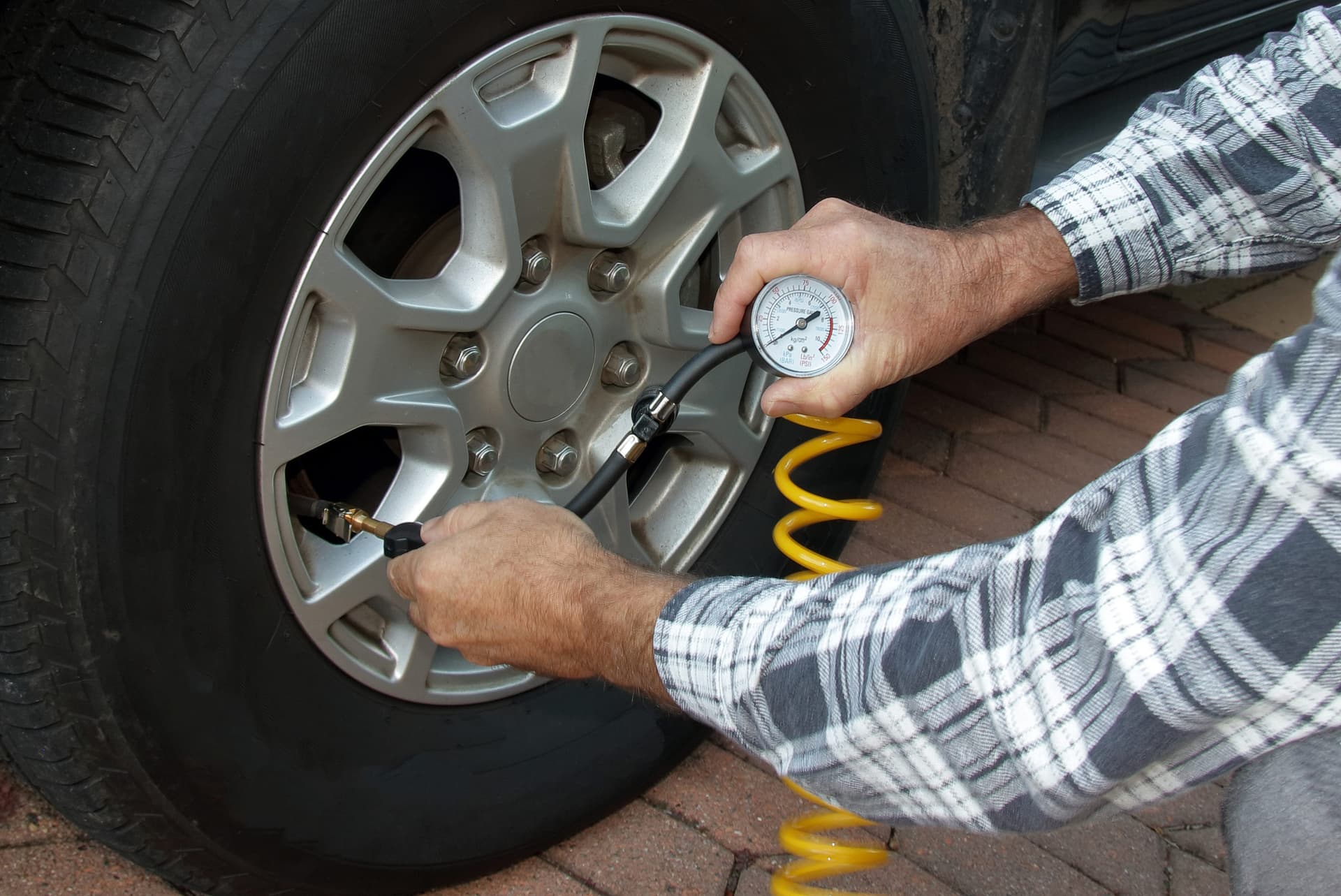
Credit: simpletire.com
Gather Necessary Tools
Before you put air in a car tire, you need the right tools. This helps you do the job safely and correctly.
Having these tools ready will make the process faster and easier. You will also avoid mistakes.
Check Tire Pressure
Check the current tire pressure before adding air. This tells you how much air you need to add.
Use a tire pressure gauge to get an accurate reading. The gauge shows pressure in PSI (pounds per square inch).
- Remove the valve cap from the tire
- Press the tire pressure gauge on the valve stem
- Read the pressure level on the gauge
- Compare it to the recommended PSI on your car’s door sticker
Find An Air Compressor Or Pump
You need an air compressor or a pump to add air to your tire. These tools push air into the tire.
Air compressors are common at gas stations. Portable pumps can be used at home or on the road.
- Air compressors plug into a power source or car battery
- Manual pumps require you to pump air by hand
- Make sure the tool fits the tire valve
- Check if the device has a built-in pressure gauge
Prepare The Tire
Putting air in a car tire is easy if you prepare the tire first. This helps the air fill the tire properly.
Start by checking your tire and getting it ready. Follow simple steps to prepare the tire for air.
Locate The Valve Stem
The valve stem is where you put air into the tire. It is a small rubber or metal tube sticking out from the tire.
Look around the tire’s edge to find the valve stem. It is usually easy to spot because it is different from the wheel parts.
Remove The Valve Cap
The valve stem has a small cap that keeps dirt out. You need to remove this cap before adding air.
Turn the cap counterclockwise to take it off. Keep the cap in a safe place so you can put it back later.
Inflate The Tire
Adding air to your car tire keeps it safe and running well. It helps the tire hold the right shape and grip the road.
To inflate the tire, you need to follow clear steps. This guide explains how to do it right and check the pressure.
Attach The Air Hose
First, remove the tire valve cap. Keep it safe so you can put it back later.
Push the air hose nozzle firmly onto the valve stem. Make sure it fits tight to stop air from escaping.
Add Air In Short Bursts
Press the air hose trigger or button to add air. Use short bursts to avoid overinflating.
Check the tire between each burst. This stops the tire from getting too full too fast.
- Press air for 5 seconds
- Stop and check pressure
- Repeat until pressure is right
Monitor Pressure Gauge
Look at the pressure gauge on the air hose or use a separate tire pressure gauge. This shows the tire pressure in PSI.
Keep adding air until the gauge shows the recommended pressure. This number is on your car door or tire sidewall.
Finalize The Process
After adding air to your car tire, finish the process carefully. Proper final steps keep your tire safe and working well.
Follow each step below to make sure the tire is ready for the road.
Detach The Air Hose
Remove the air hose from the tire valve gently. Pull it straight off to avoid damaging the valve.
Replace The Valve Cap
Put the valve cap back on the valve stem. This keeps dirt and moisture out of the valve.
- Hold the valve cap between your fingers
- Turn it clockwise onto the valve stem
- Tighten it until snug but not too tight
Check Tire Pressure Again
Use a pressure gauge to check the tire pressure once more. Confirm the pressure matches the recommended level.
| Recommended Pressure | Your Tire Pressure |
|---|---|
| 32 PSI | 32 PSI |
Tips For Tire Maintenance
Keeping your car tires in good shape is important for safety and fuel economy. One key part of tire care is knowing how to put air in a tire correctly.
This guide helps you learn when to check tire pressure, safe pressure levels, and common mistakes to avoid.
When To Check Tire Pressure
Check your tire pressure once a month to keep your tires healthy. Always check before long trips or when carrying heavy loads.
Check the pressure when tires are cold. Driving heats tires and changes the pressure reading.
- Check monthly
- Check before long trips
- Check when carrying heavy loads
- Check when tires are cold
Safe Tire Pressure Levels
Find the right pressure for your tires in the car manual or on the door frame sticker. This number keeps your tires working well.
Do not use the maximum pressure listed on the tire sidewall. That number is the tire’s limit, not the safe pressure.
- Use the car manufacturer’s recommended pressure
- Check pressure in all tires, including the spare
- Keep pressure consistent for best performance
Common Mistakes To Avoid
Do not check tire pressure right after driving. Heat causes pressure to read higher than normal.
Avoid over-inflating tires. Too much air can cause uneven wear and poor handling.
- Never check pressure on hot tires
- Do not overinflate beyond recommended levels
- Don’t forget to check the spare tire
- Avoid using damaged or broken air gauges

Credit: www.youtube.com

Credit: www.oreillyauto.com
Frequently Asked Questions
How Often Should I Check My Car Tire Pressure?
Check your tire pressure at least once a month. Regular checks ensure safety, improve fuel efficiency, and extend tire life. Use a reliable tire pressure gauge for accurate readings. Always check when tires are cold for the best results.
What Is The Correct Tire Pressure For My Car?
Refer to your car’s manual or the sticker inside the driver’s door for the recommended tire pressure. It usually ranges between 30-35 PSI. Maintaining the correct pressure improves handling, safety, and fuel economy.
Can I Use A Gas Station Air Pump For My Tires?
Yes, gas station air pumps are convenient and effective. Ensure the pump is calibrated, and check pressure frequently while inflating. Avoid overinflating tires to prevent uneven wear and reduce ride comfort.
What Tools Do I Need To Put Air In A Car Tire?
You need a tire pressure gauge and an air compressor or pump. Portable air compressors are handy for emergencies. Having these tools ensures you can maintain proper tire pressure anytime, anywhere.
Conclusion
Keeping your car tires properly inflated helps with safety and fuel savings. Check the tire pressure regularly using a reliable gauge. Add air carefully, following the recommended pressure for your vehicle. Avoid overinflating or underinflating tires to prevent wear and damage.
Knowing how to put air in your tires saves time and money. It also keeps your drive smooth and safe. Practice this simple task, and your car will thank you. Easy steps lead to better tire care. Stay safe on the road!