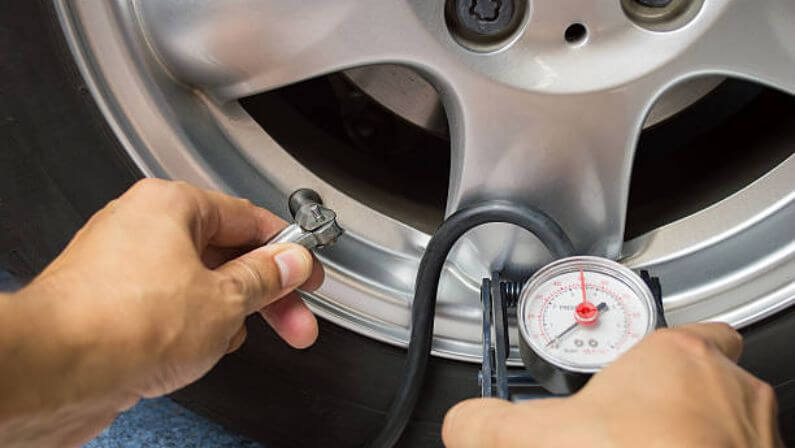
Are your car tires feeling a little flat? Knowing how to put air in car tires is an easy skill that can save you time, money, and keep you safe on the road.
You don’t need special tools or a mechanic to do it. In this guide, you’ll learn simple, step-by-step instructions to get your tires properly inflated. Imagine driving with smoother rides, better fuel efficiency, and improved control—all by mastering this quick and essential task.
Keep reading, and by the end, you’ll feel confident handling your tire pressure like a pro.
Why Proper Tire Pressure Matters
Keeping the right air pressure in your car tires is very important. It helps your car drive safely and saves money.
Too little or too much air can cause problems. Check your tire pressure often to keep it just right.
Impact On Safety
Proper tire pressure helps your car stop and turn safely. It reduces the chance of accidents.
Low tire pressure can cause tires to overheat and fail. High pressure can make tires wear unevenly and lose grip.
- Good pressure keeps tires stable on the road
- Prevents tire blowouts while driving
- Improves car handling and braking
Fuel Efficiency Benefits
Tires with the right air pressure roll smoothly. This lowers the engine effort and saves fuel.
Underinflated tires increase drag and use more gas. Proper pressure helps your car use less fuel on every trip.
- Maintains smooth tire rotation
- Reduces fuel consumption
- Lowers carbon emissions
Tire Longevity
Correct tire pressure spreads weight evenly on the tire. This stops parts from wearing out too fast.
Low or high pressure makes tires wear unevenly. This shortens their life and costs more money to replace.
- Even tread wear extends tire life
- Prevents sidewall damage
- Saves money on new tires
Credit: simpletire.com
Tools Needed For Tire Inflation
Inflating car tires is simple with the right tools. Proper inflation improves safety and fuel efficiency.
You will need specific tools to ensure your tires have the correct air pressure. Let’s explore these tools.
Air Compressor Options
An air compressor is essential for inflating car tires. They come in different types to suit various needs.
| Compressor Type | Features |
| Portable | Lightweight, easy to carry |
| Stationary | Powerful, best for garages |
| 12-Volt | Connects to car’s power outlet |
Tire Pressure Gauge Types
Checking tire pressure is crucial for safety. Various gauges help you monitor the air pressure accurately.
- Pencil Gauge – Simple, compact, and easy to use.
- Dial Gauge – Offers a clear reading with a dial display.
- Digital Gauge – Provides precise readings with a digital screen.
Valve Caps And Accessories
Valve caps protect your tire valves from dust and dirt. They are small but important for maintaining tire health.
Finding The Correct Tire Pressure
Keeping the right tire pressure is important for safety and tire life. Too much or too little air can cause problems. Learn how to find the correct pressure for your car tires.
This guide explains how to check the manufacturer’s recommendation, read the tire sidewall, and adjust for load and conditions.
Checking The Manufacturer’s Recommendation
Look for the tire pressure label inside the driver’s door frame or in the owner’s manual. This label shows the recommended pressure for front and rear tires.
- Find the label on the driver’s side door jamb or fuel door
- Check the pressure in pounds per square inch (PSI)
- Note the recommended pressure for normal and heavy loads
- Use this pressure as your target when filling tires
Reading The Tire Sidewall
The tire sidewall shows the maximum pressure allowed. This number is not the recommended pressure. It is the highest pressure the tire can safely hold.
| Label | Meaning |
|---|---|
| Max Pressure 44 PSI | This is the highest pressure the tire can handle. |
| Size and Type | Shows tire size, speed rating, and load index. |
| DOT Code | Shows tire manufacture details. |
Adjusting For Load And Conditions
Tire pressure changes with load and driving conditions. You may need to increase pressure if you carry heavy loads or drive on rough roads.
- Increase pressure slightly for heavy loads
- Check tire pressure more often in hot weather
- Lower pressure slightly for better grip on snow or ice
- Always follow the vehicle manufacturer’s advice on adjustments

Credit: www.oreillyauto.com
Step-by-step Tire Inflation Process
Keeping your car tires properly inflated helps your vehicle run smoothly and saves fuel. It also improves safety on the road.
This guide shows how to add air to your car tires safely and easily.
Locating The Valve Stem
Look for a small rubber or metal stem on the tire. It sticks out from the wheel rim. This is where you add air.
Removing The Valve Cap
Turn the valve cap counterclockwise to remove it. Keep the cap in a safe place. You will replace it after inflating the tire.
Checking Current Pressure
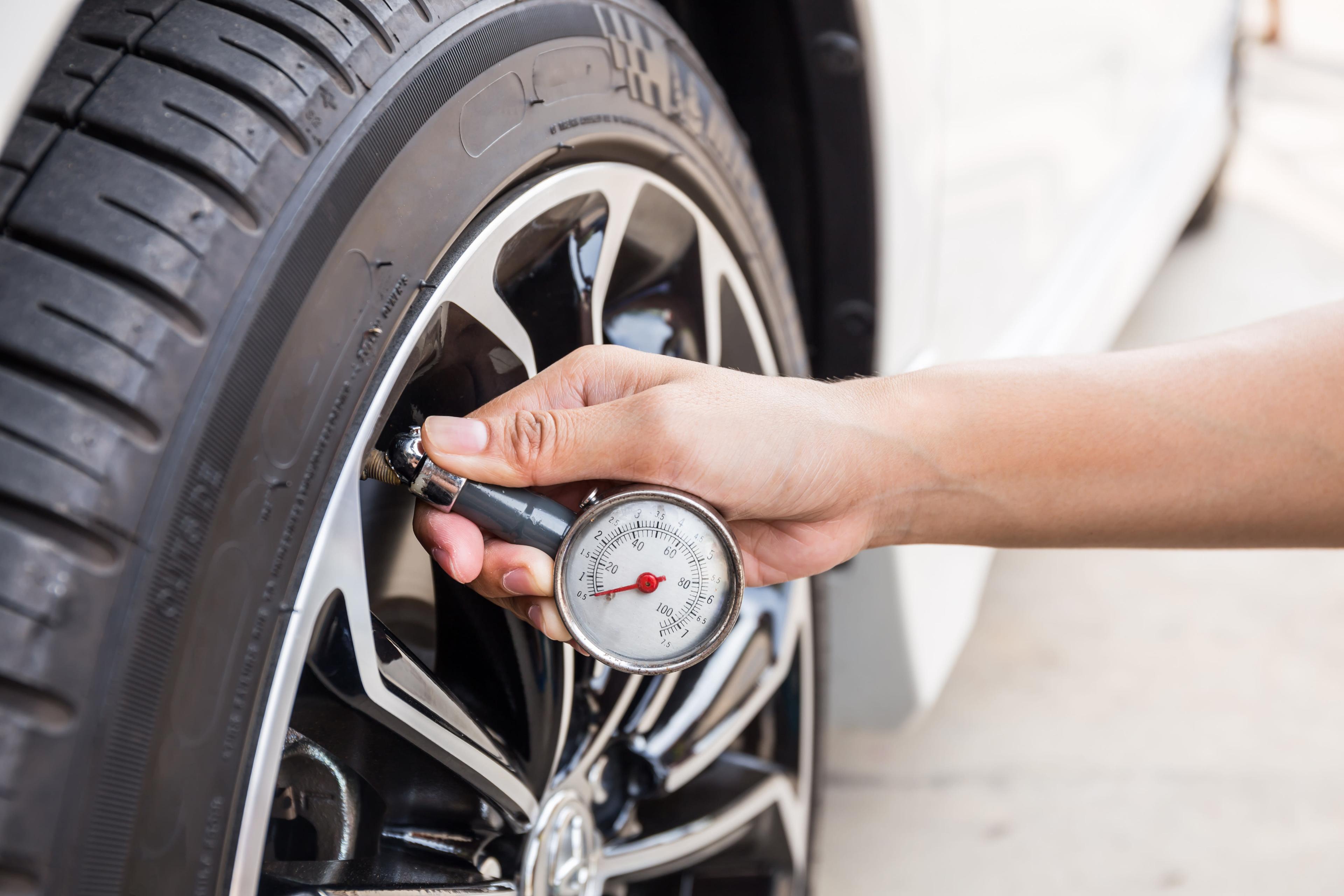
Use a tire pressure gauge to check how much air is in the tire. Press the gauge on the valve stem until you hear a hissing sound stop.
| Tire Pressure Status | Action Needed |
| Below recommended pressure | Add air |
| At recommended pressure | No action needed |
| Above recommended pressure | Release some air |
Adding Air Safely
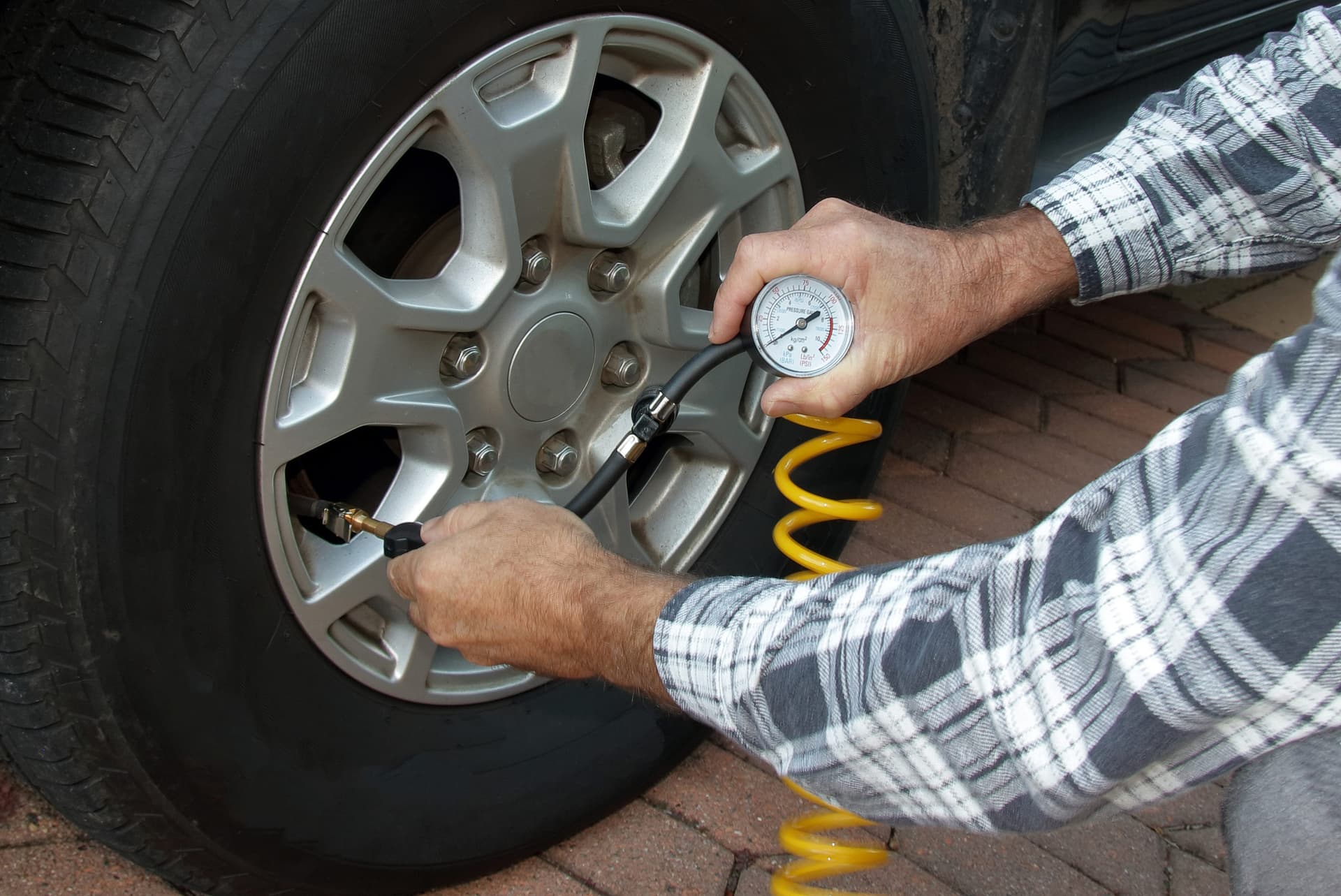
- Attach the air hose to the valve stem firmly.
- Turn on the air compressor or pump.
- Check the pressure often to avoid over-inflation.
- Stop adding air once the pressure matches the recommended level.
Rechecking And Adjusting Pressure
Use the tire pressure gauge again. Make sure the pressure is correct. If it is too high, press the valve to release some air.
Replacing The Valve Cap
Put the valve cap back on the valve stem. Turn it clockwise until it is snug. This keeps dirt and moisture out.
Tips For Maintaining Proper Tire Pressure
Keeping your car tires at the right pressure helps with safety and fuel savings. It also makes your tires last longer. Check your tire pressure often to avoid problems on the road.
Use a reliable tire pressure gauge and follow your car maker’s recommendations. Proper care can prevent accidents and save money on repairs.
Routine Pressure Checks
Check your tire pressure at least once a month and before long trips. Tires can lose air slowly over time. Use a tire gauge when the tires are cold for the best reading.
- Remove the valve cap from the tire.
- Press the tire gauge firmly onto the valve stem.
- Read the pressure on the gauge.
- Compare it with the recommended pressure found in your car manual or door sticker.
- Add air if the pressure is low or release air if it is too high.
- Replace the valve cap securely.
Seasonal Adjustments
Temperature changes affect tire pressure. Cold air makes tires lose pressure, while hot air increases it. Adjust your tire pressure with the seasons to keep it in the right range.
| Season | Pressure Adjustment |
| Winter | Check more often; add air as pressure drops |
| Summer | Check for overinflation; release air if needed |
| Spring/Fall | Regular monthly checks |
Handling Slow Leaks
Slow leaks reduce tire pressure gradually. Find leaks early to avoid tire damage. Look for nails, screws, or cracks in the tire. If you hear hissing sounds, it means air is escaping.
Follow these tips for slow leaks:
- Inspect tires visually each time you check pressure.
- Use soapy water on tire surface to spot bubbles from leaks.
- Visit a tire shop promptly for repairs or replacements.
- Avoid driving on flat or low tires to prevent rim damage.
Credit: simpletire.com
Common Mistakes To Avoid
Keeping your car tires properly inflated is important for safety and fuel efficiency.
Many people make simple errors that reduce tire life and cause problems on the road.
Overinflation And Underinflation
Too much or too little air in your tires can cause uneven wear and affect handling.
- Overinflation makes tires stiff, reducing grip and increasing wear in the center.
- Underinflation causes tires to flex more, leading to heat build-up and sidewall damage.
- Both can lead to poor fuel economy and a rough ride.
Ignoring Temperature Effects
Air pressure changes with temperature. Cold air makes pressure drop, hot air makes it rise.
| Temperature Change | Pressure Effect |
| Drop of 10°F (5.5°C) | Pressure drops about 1 psi |
| Rise of 10°F (5.5°C) | Pressure increases about 1 psi |
Check tire pressure when tires are cold for accurate readings.
Using Inaccurate Gauges
Faulty gauges give wrong readings and cause wrong inflation.
Tips to avoid inaccurate gauges:
- Buy a quality tire pressure gauge from a trusted brand.
- Check gauge accuracy by comparing with a professional station.
- Replace old or damaged gauges regularly.
- Keep the gauge clean and store it properly.
Frequently Asked Questions
How Do I Check Tire Pressure Correctly?
Use a reliable tire pressure gauge to check pressure. Do this when tires are cold for accurate reading. Compare with the recommended PSI in your car’s manual or door sticker.
What Is The Right Air Pressure For Car Tires?
Refer to your vehicle’s manual or sticker inside the driver’s door. Proper pressure usually ranges between 30-35 PSI. Maintaining correct pressure improves safety, fuel efficiency, and tire life.
Can I Use A Home Air Compressor To Fill Tires?
Yes, a home air compressor works well for filling car tires. Ensure it has a tire chuck and pressure gauge. Fill slowly and check pressure frequently to avoid overinflation.
How Often Should I Put Air In My Car Tires?
Check tire pressure at least once a month and before long trips. Temperature changes can affect pressure, so regular checks ensure optimal safety and performance.
Conclusion
Keeping your car tires properly filled helps your vehicle run safely. Check tire pressure regularly to avoid problems on the road. Use a reliable air pump and follow the steps carefully. This simple task saves fuel and extends tire life.
Stay safe and comfortable by maintaining correct air levels. Small effort, big benefits. Take a moment to check your tires today.