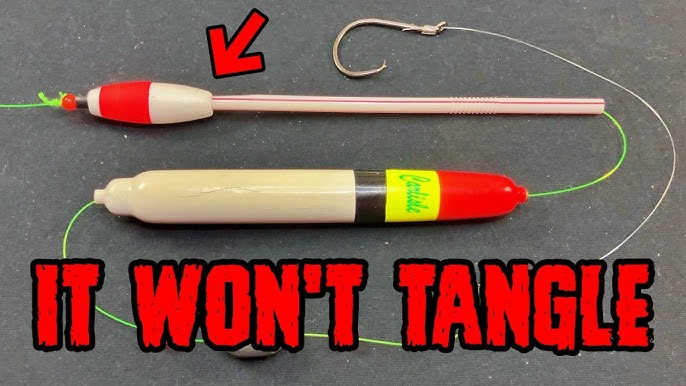
If you want to catch more fish, knowing how to put bobbers on your fishing line is a skill you can’t skip. Bobbers help you see when a fish bites, making your fishing experience easier and more fun.
But if you’re new to fishing, attaching a bobber might feel tricky. Don’t worry—this guide will show you simple steps to get it right every time. By the end, you’ll be ready to fish with confidence and increase your chances of landing a great catch.
Keep reading, and let’s get your fishing line set up perfectly!

Credit: nwiowaoutdoors.com
Choosing The Right Bobber
Picking the right bobber helps you catch more fish. Bobbers hold your bait at the right depth in the water.
Different fishing spots and conditions need different bobbers. Knowing how to choose makes fishing easier and more fun.
Types Of Bobbers
There are many bobber types. Each one works best for certain fishing styles and fish types.
- Round Plastic Bobbers: Common and easy to use. Good for beginners.
- Slip Bobbers: Slide on the line. Allow fishing at different depths.
- Stick Bobbers: Long and slim. React quickly to fish bites.
- Bubble Bobbers: Can hold extra bait like minnows inside them.
Selecting Based On Fishing Conditions
Choose bobbers based on water type and weather. This helps keep your bait in the right spot.
Light bobbers work well in calm water. Heavy bobbers are better in fast or deep water.
- Clear Water: Use small, light bobbers. Fish see them less.
- Weedy Areas: Use bright bobbers. They are easy to spot.
- Strong Currents: Pick heavy bobbers. They stay steady.
- Windy Days: Use larger bobbers. They float well above waves.

Credit: www.reddit.com
Gathering Necessary Tools
Putting bobbers on a fishing line needs the right tools. Having these tools ready makes the process easy.
Below are the main categories of tools you need before starting to attach your bobbers.
Fishing Line Preparation
Preparing your fishing line is the first step. You need some basic tools to handle the line properly.
- Good quality fishing line spool
- Line scissors or sharp clippers
- Line conditioner or lubricant (optional)
- Measuring tape or ruler for accurate length
Additional Accessories
Besides the fishing line, you will need some accessories to secure and adjust the bobbers.
| Accessory | Use |
| Bobbers | Float bait at desired depth |
| Bobber stops | Keep bobber fixed on line |
| Swivels | Prevent line twist |
| Hooks | Attach bait securely |
| Sinkers | Help line sink if needed |
Preparing The Fishing Line
Getting your fishing line ready is key before adding a bobber. It helps catch fish better and keeps your gear safe.
Take time to check your line carefully. This step saves you trouble while fishing.
Measuring Line Length
Measure enough line to reach your fishing spot with some extra for tying knots. Use a ruler or tape measure for accuracy.
- Pull out the line from your reel slowly
- Use a tape measure to mark the length needed
- Cut the line if it is too long
- Leave extra line for tying and adjustments
Checking For Knots Or Damage
Look closely for knots or any weak spots on the line. These can cause the line to break when fishing.
| Check Point | What to Look For | Action |
| Knots | Twists and tangles | Untangle or cut out |
| Frays | Loose or worn fibers | Replace damaged section |
| Discoloration | Faded or brittle spots | Test strength or replace |
Attaching Slip Bobbers
Slip bobbers let the fishing line move freely inside them. This helps fish take the bait without feeling resistance.
Attaching slip bobbers is easy once you know the steps. Follow along to learn how to set up your slip bobber correctly.
Threading The Bobber Stop
The bobber stop holds the slip bobber in place on the line. You need to thread it on first before adding the bobber.
Use a small piece of fishing line or special thread to tie the bobber stop. Wrap it tightly so it won’t slip during fishing.
- Cut a 6-inch piece of thin fishing line or thread
- Thread it onto your main fishing line
- Wrap it around the main line 5-6 times
- Tie a secure knot
- Trim any extra thread
Adding The Bead And Bobber
After the bobber stop, slide a small bead onto the line. The bead stops the stop from sliding into the bobber.
Next, thread the slip bobber onto the line. It should move freely between the bead and the weight below.
- Slide a small plastic or glass bead onto the line
- Next, slide the slip bobber onto the line
- Make sure the bobber moves smoothly
- Attach your sinker or weight below the bobber
Setting Depth
Setting the depth controls how deep your bait goes. Move the bobber stop up or down to set this depth.
Adjust the depth based on where fish usually swim. The bobber stop will keep the bobber from sliding past this point.
- Slide the bobber stop up for shallow fishing
- Slide it down for deeper water
- Test your setup before fishing
- Adjust as needed for the best catch
Attaching Fixed Bobbers
Fixed bobbers stay in one place on your fishing line. They help you see when fish bite. Putting them on right is important for good fishing.
This guide shows easy ways to attach fixed bobbers to your fishing line. You can use pinching or clips and hooks.
Pinching The Bobber
Pinching means squeezing the bobber onto the line. This holds it tight without extra parts. Use pliers or your fingers carefully.
- Place the line inside the bobber’s groove.
- Pinch the bobber gently but firmly onto the line.
- Check that the bobber does not slide up or down.
- Make sure the line is not damaged after pinching.
Securing With Clips Or Hooks
Some bobbers come with clips or hooks to attach them. These parts lock the bobber on the line. This method is quick and secure.
| Clip Type | How to Attach | Best Use |
| Spring Clip | Open clip, slide line in, release clip | Fast changes on the water |
| Hook Clip | Hook line through clip, pull tight | Strong hold in rough water |
| Locking Clip | Snap clip closed over line | Secure for big fish |
Testing The Setup
After placing a bobber on your fishing line, it is important to check if it works well. Testing helps you know if the bobber floats right and reacts to fish bites.
This guide explains how to test your setup by checking float stability and adjusting sensitivity.
Float Stability
Float stability means the bobber stays upright and steady in the water. A stable bobber shows clear signals when a fish bites.
- Place the bobber in a bucket of water to see if it stands upright.
- If it leans or tilts, try moving the bobber up or down the line.
- Check if the line is tight enough to hold the bobber steady.
- Make sure the bobber is not too heavy or too light for the bait weight.
Adjusting For Sensitivity
Sensitivity means how easily the bobber moves when a fish bites. You want it to react quickly but not too much from small waves.
| Adjustment | Effect on Sensitivity |
| Move bobber closer to bait | More sensitive, reacts to small bites |
| Move bobber farther from bait | Less sensitive, good for larger bites |
| Add split shot weight near bait | Increases sensitivity by keeping line tight |
| Use larger bobber | Less sensitive, better for rough water |
Common Mistakes To Avoid
Putting a bobber on a fishing line seems simple. Yet, many anglers make mistakes that reduce their catch chances.
Knowing what to avoid helps you fish better and enjoy your time on the water.
Incorrect Bobber Placement
Placing the bobber too close or too far from the hook affects your bait’s depth. Fish may not see it or cannot reach it easily.
- Placing the bobber too close to the hook makes the bait swim near the surface, where some fish do not feed.
- Putting the bobber too far down lets the bait sink too deep, missing fish near the middle water.
- Not adjusting bobber placement for water depth or fish type leads to poor results.
Using The Wrong Size Bobber
Choosing a bobber that is too big or too small can cause problems. The wrong size affects how your bait moves and how well you see bites.
| Bobber Size | Effect | When to Use |
| Small | Less visible, sinks easily | Light bait, calm water |
| Medium | Good balance of visibility and buoyancy | Most fishing situations |
| Large | Very visible but can scare fish | Heavy bait, rough water |

Credit: www.reddit.com
Frequently Asked Questions
How Do You Attach A Bobber To Fishing Line?
To attach a bobber, open its clip or snap. Slide the fishing line into the clip, then close it securely. Ensure the bobber can slide or stays fixed, depending on your fishing style. This helps keep bait at the right depth.
What Is The Best Bobber Type For Beginners?
Slip bobbers are best for beginners. They slide on the line for adjustable depth. Fixed bobbers are also easy but less flexible. Choose based on fishing conditions and target fish species for better results.
Can I Use Any Fishing Line With Bobbers?
Yes, most bobbers work with common fishing lines. Monofilament and fluorocarbon lines are ideal. Ensure the line fits the bobber’s clip or hole size. Proper line and bobber combination improves casting and bite detection.
Why Adjust The Bobber’s Position On The Line?
Adjusting bobber position controls bait depth in water. This targets specific fish habitats or feeding zones. Proper depth increases catch chances. Adjust before casting based on water depth and fish behavior.
Conclusion
Putting bobbers on your fishing line is simple and quick. Choose the right bobber size for your fishing spot. Attach it securely so it stays in place while fishing. Adjust the bobber position to control the bait depth. Practice a few times to get comfortable with the steps.
Soon, you will notice better fish bites and easier fishing. Enjoy your time by the water with confidence and patience. Keep trying, and fishing will become even more fun.