Are you tired of weeds taking over your garden and making your hard work go to waste? Putting down landscaping fabric might be the simple solution you need.
It’s a smart way to keep your garden neat, reduce maintenance, and help your plants thrive. But how do you do it right? In this guide, you’ll discover easy steps to lay landscaping fabric that actually works. By the end, you’ll have the confidence to protect your garden and enjoy a cleaner, healthier outdoor space.
Keep reading—your garden will thank you!
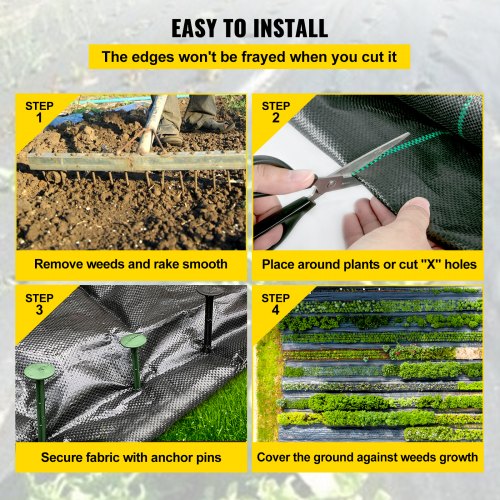
Credit: www.vevor.ca
Choosing The Right Fabric
Landscaping fabric helps control weeds and keeps soil healthy. Picking the right fabric makes your garden last longer.
Different fabrics work better for different gardens. Learn about types, what to check, and where to buy them.
Types Of Landscaping Fabric
There are two main types of landscaping fabric. Each type has its own use and benefits.
- Woven fabric:Made from threads woven tightly together. It lets water and air pass through.
- Non-woven fabric:Made from fibers pressed together. It blocks more sunlight but may not last as long.
Woven fabric is best for areas with heavy plant growth. Non-woven fabric works well for paths and patios.
Factors To Consider
Think about your garden needs before buying fabric. The wrong choice can cause problems later.
- Durability: Choose fabric that lasts in your climate.
- Permeability: Make sure water and air can reach roots.
- UV resistance: Pick fabric that resists sun damage.
- Thickness: Thicker fabrics block more weeds but may cost more.
- Size: Buy enough fabric to cover your area without gaps.
Check if the fabric works well with your plants and soil type.
Where To Buy
Landscaping fabric is available at many stores. Look for quality products in garden centers or home improvement shops.
Online stores offer more options and sizes. Read reviews to find reliable fabrics.
- Local garden centers
- Home improvement stores
- Online marketplaces
- Specialty landscaping suppliers
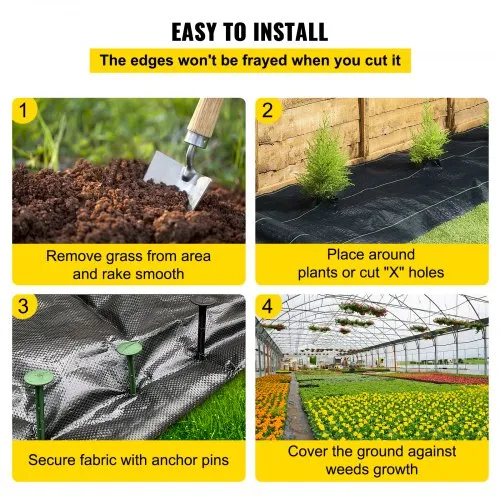
Credit: www.carringtonlawn.com
Preparing The Area
Putting down landscaping fabric starts with preparing the ground. Proper preparation helps the fabric work well and last longer.
Take time to clear, level, and mark the area before laying the fabric.
Clearing Debris And Weeds
Remove all debris like sticks, stones, and leaves from the area. Clear out weeds and roots to stop them from growing through the fabric.
Use a rake or hoe to pull out weeds. Check carefully to remove all roots and underground parts.
- Pick up sticks and stones by hand
- Pull weeds from the roots
- Clear leaves and trash
- Use a garden rake for a clean surface
Leveling The Ground
Make the ground flat and even before you lay the fabric. Level soil helps the fabric stay in place and prevents water from pooling.
Remove bumps and fill in low spots. Use a rake or shovel to smooth the surface.
- Check for hills or dips
- Move soil from high spots to low spots
- Use a rake to smooth soil
- Press down the soil gently
Marking The Layout
Mark the edges and shape of the area where you will place the fabric. This helps you cut the fabric to the right size.
Use stakes and string or spray paint to create clear lines. Check measurements twice to avoid mistakes.
- Place stakes at corners
- Tie string between stakes
- Use spray paint for curves
- Measure length and width carefully
Cutting And Laying Fabric
Landscaping fabric helps prevent weeds in your garden. It is easy to cut and lay down.
This guide will help you measure, cut, overlap, and secure your landscaping fabric.
Measuring And Cutting
Start by measuring your garden area. Use a tape measure for accuracy.
Cut the fabric according to your measurements. Ensure the pieces are slightly larger than the area.
- Measure twice to avoid mistakes
- Use sharp scissors for clean cuts
- Label each piece for easy placement
Overlapping Sections
Overlap fabric pieces to stop weeds from growing through seams. This strengthens the barrier.
Ensure each piece overlaps by at least six inches. This prevents gaps from forming.
| Area | Overlap Amount |
| Small Garden | 6 inches |
| Large Garden | 8 inches |
Securing The Fabric
Secure the fabric using landscape pins. This keeps it in place during windy weather.
Place pins every foot along the edges. This prevents the fabric from lifting.
- Use rust-resistant pins for durability
- Check for loose areas after securing
- Cover edges with soil or mulch
Finishing Touches
After laying down landscaping fabric, the finishing touches help protect it. These steps improve its look and keep it working well.
Focus on covering the fabric, trimming any extra, and keeping it clean over time.
Adding Mulch Or Gravel
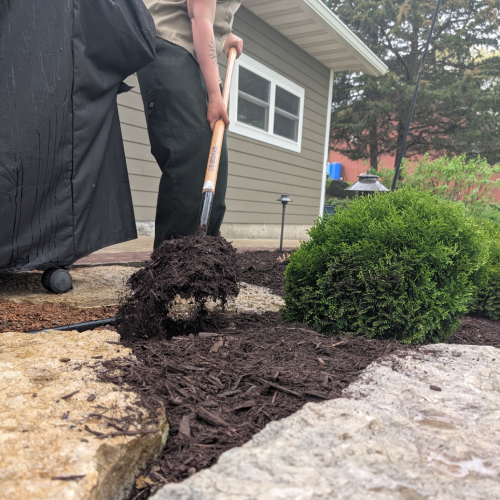
Covering the fabric with mulch or gravel hides it and stops sunlight from reaching weeds. It also helps keep the fabric in place.
Spread mulch or gravel evenly over the fabric. Aim for a layer at least 2 to 3 inches thick for best results.
- Use bark mulch for a natural look
- Choose gravel for a clean, modern style
- Keep the layer thick enough to block light
Trimming Excess Fabric
Cut off any fabric that sticks out beyond your planting beds or paths. This keeps the area neat and tidy.
Use sharp scissors or a utility knife. Cut close to the edge without damaging plants or edging.
- Trim after securing the fabric with staples or pins
- Leave a small margin if you plan to adjust later
- Dispose of scraps to avoid clutter
Maintaining The Fabric
Check the fabric regularly to make sure it stays in place and works well. Fix any tears or holes quickly.
Remove weeds that grow on top. Add more mulch or gravel if the layer thins out over time.
- Inspect fabric every few months
- Replace staples or pins if loose
- Keep mulch or gravel topped up
Common Mistakes To Avoid
Landscaping fabric helps control weeds and keep soil healthy. Putting it down correctly makes your garden look neat. Avoid these common mistakes to get the best results.
Simple steps can stop problems later. Learn what to watch out for when laying landscaping fabric.
Skipping Ground Preparation
Many people skip preparing the ground before placing fabric. This causes bumps and uneven areas. Weeds can grow through loose soil too.
Clear the area of rocks, roots, and old weeds. Smooth the soil surface for better fabric contact. This helps the fabric last longer and work well.
Using Incorrect Fabric Type
Not all landscaping fabrics are the same. Some block water and air, which harms plants. Others tear easily under sunlight.
Choose fabric made for your climate and garden needs. Look for breathable, durable fabric that lets water through but blocks weeds.
- Use woven fabric for better strength
- Choose UV-resistant fabric for sunny spots
- Select breathable fabric to help soil stay healthy
Improper Securing Techniques
Failing to secure fabric well causes it to move or lift. Wind and rain can expose soil and let weeds grow.
Use the right pins or staples and place them close together. Overlap fabric edges to stop gaps. Check the fabric often and fix loose spots.
- Pin every 12 to 18 inches along edges
- Overlap fabric pieces by 6 inches or more
- Secure fabric near plants and paths firmly

Credit: www.leisurelandscapes.com
Frequently Asked Questions
What Is The Purpose Of Landscaping Fabric?
Landscaping fabric controls weed growth by blocking sunlight. It allows water and air to pass through, promoting soil health. This fabric helps reduce garden maintenance and keeps plants healthy.
How Do You Prepare Soil Before Laying Fabric?
Clear the area of weeds, rocks, and debris first. Then, level the soil and water it lightly. This ensures better fabric contact and effective weed prevention.
Can Landscaping Fabric Be Used Under Mulch?
Yes, fabric works well under mulch to improve weed control. It stabilizes mulch and prevents it from mixing with soil. This extends mulch lifespan and keeps your garden tidy.
How Do You Secure Landscaping Fabric In Place?
Use landscape staples or pins spaced every 12-18 inches. Ensure the fabric is flat and overlaps edges by 6 inches. Proper securing prevents shifting and weed growth.
Conclusion
Putting down landscaping fabric helps keep your garden neat and weed-free. Lay the fabric flat, cut it to fit, and secure it well. Cover it with mulch or stones for best results. This simple step saves time and effort in garden care.
Remember to check the fabric regularly for damage or weeds. With proper use, your plants will thrive in a tidy space. Give your garden a clean, healthy look with this easy method.