Getting your fishing line properly on your reel might seem tricky at first, but once you know the right steps, it becomes quick and easy. Imagine casting your line smoothly, without tangles or breaks, giving you the best chance to catch that big fish.
If you want to avoid frustration and make every fishing trip more enjoyable, this guide is for you. Keep reading, and you’ll learn exactly how to put fish line on your reel like a pro—no confusing jargon, just simple steps you can follow right now.

Credit: windrider.com
Choosing The Right Reel
Choosing the right reel makes fishing easier and more fun. It helps you cast your line better and catch fish faster.
There are different types of reels. Each fits a certain fishing style. Understanding these helps you pick the best one.
Types Of Fishing Reels
Fishing reels come in many styles. Each has unique parts and uses. Here are the main types:
- Spinning Reels:Easy to use and good for beginners.
- Baitcasting Reels:Offer more control and power.
- Spincast Reels:Simple design, great for kids and beginners.
- Fly Reels:Used for fly fishing with light lines.
Matching Reel To Fishing Style
Match your reel to your fishing style for best results. Different reels suit different fishing methods and fish sizes.
| Fishing Style | Best Reel Type | Reason |
| Freshwater fishing | Spinning reel | Easy to cast and control in small waters |
| Heavy freshwater or light saltwater | Baitcasting reel | Better control and power for bigger fish |
| Beginner or kids fishing | Spincast reel | Simple and tangle-free design |
| Fly fishing | Fly reel | Designed for smooth line release and retrieval |
Selecting The Proper Fishing Line
Choosing the right fishing line is important for a successful fishing trip. It affects how well you can catch fish and how your reel performs.
There are several factors to consider, such as the material, strength, diameter, and length of the line. Let’s explore these in detail.
Line Materials And Strength
Fishing lines come in different materials, each with its own strengths and weaknesses. Selecting the right one depends on the type of fishing you plan to do.
- Monofilament:This is versatile and easy to use. It stretches, which can absorb shocks when a fish bites.
- Braided:Known for strength, it has little stretch and is more sensitive to fish bites.
- Fluorocarbon:It is nearly invisible underwater, making it good for clear water fishing.
Each material has different strengths, so choose based on your fishing needs.
Line Diameter And Length
Line diameter and length affect casting distance and the weight it can handle. Thinner lines cast further but may not hold as much weight.
| Diameter | Best Use |
| Thin | Long casting, lighter fish |
| Thick | Heavy fish, short casting |
Consider the fishing environment and target fish size when selecting the line diameter and length.
Preparing The Reel
Putting fish line on a reel starts with preparing the reel correctly. A clean and well-inspected reel works better and lasts longer.
Before adding new line, take time to check your reel carefully. This helps avoid problems during fishing.
Cleaning And Inspecting The Reel
Remove dirt and old grease from the reel before use. This keeps the reel working smoothly.
Look for damage like cracks, rust, or loose parts. Fixing these issues early saves trouble later.
- Wipe the reel with a clean cloth
- Use mild soap and water if needed
- Dry the reel completely
- Check for worn or broken parts
- Tighten any loose screws or bolts
Opening The Reel Spool
To add new line, first open the reel spool carefully. This is where the line will go.
Most reels have a knob or clip that holds the spool in place. Turn or release it to remove the spool.
- Locate the spool release knob or clip
- Turn or press the release mechanism
- Lift the spool gently off the reel
- Keep parts in a safe place to avoid loss
Attaching The Line To The Reel
Putting fish line on a reel starts with attaching it properly. This step keeps the line secure and ready for fishing.
A good attachment prevents the line from slipping off the reel during use. It helps you cast smoothly and catch fish more easily.
Tying The Arbor Knot
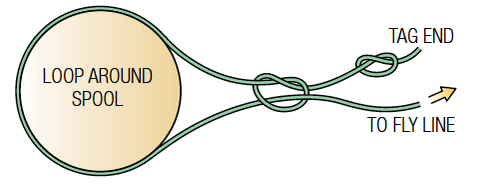
The arbor knot is the best knot to tie the line to the reel spool. It is strong and simple to tie.
Start by wrapping the line around the reel’s center spool. Tie a simple overhand knot around the main line.
- Pass the line around the spool
- Make an overhand knot around the main line
- Tighten the knot firmly against the spool
- Trim any extra line close to the knot
Securing The Line Properly
After tying the knot, pull the line tight to secure it. This stops the line from slipping when you reel in or cast out.
Wind the line slowly onto the spool. Keep tension on the line with your fingers as you turn the reel handle.
- Keep steady pressure on the line
- Wind the line evenly across the spool
- Fill the spool to about 1/8 inch from the edge
- Check that the line does not overlap or bunch up
Spooling The Line
Putting fish line on a reel is important for fishing. Spooling the line right helps avoid tangles and problems.
This guide shows how to spool the line correctly. It focuses on keeping tension and filling the spool well.
Maintaining Tension While Spooling
Keep the line tight as you put it on the reel. Loose line causes knots and line twists.
You can hold the line between your fingers or use a cloth to keep pressure. This helps the line lay flat and smooth.
- Hold the line firmly but do not squeeze too hard
- Keep steady speed when turning the reel handle
- Ask someone to help hold the spool if needed
Filling The Spool Correctly
Fill the spool almost full but leave a little space at the edge. Overfilling causes line to slip off.
Make sure the line is even across the spool. Uneven line can cause tangles and reduce casting distance.
- Stop spooling when the line reaches about 1/8 inch from the spool edge
- Use your thumb to guide the line evenly side to side
- Check the line for twists and fix them before continuing

Credit: www.bdoutdoors.com
Final Checks
After putting the fish line on the reel, it is important to do final checks. These checks make sure your line works well and lasts longer.
Two key points to check are avoiding line twists and trimming the line end correctly. These steps keep your fishing smooth.
Avoiding Line Twists
Line twists cause tangles and reduce fishing performance. To avoid twists, let the line flow freely from the spool.
Make sure the reel spool and the line spool spin in the same direction while loading the line. This helps prevent twists from forming.
- Check the line spool for smooth rotation
- Keep the line tight but not too tight
- Use your fingers to guide the line onto the reel evenly
- Stop if you see loops or twists forming
Trimming The Line End
Trim the line end after loading it on the reel. This prevents loose ends from catching or fraying.
Use sharp scissors or a line cutter for a clean cut. Leave a small tail to tie your hook or lure easily.
- Cut the line about 6 inches from the reel
- Make a straight cut to avoid fraying
- Check for any damaged sections before trimming
Tips For Line Maintenance
Keeping your fish line in good shape helps your fishing reel work well. Regular care stops problems like tangles and breaks.
Simple maintenance steps can make your fishing trips smoother and more fun. Pay attention to your line often.
Regular Line Inspection
Check your fishing line before every trip. Look for signs of wear like frays, cuts, or weak spots. These can cause the line to snap during a catch.
- Run your fingers along the line to feel for rough areas.
- Look closely for discoloration or thinning.
- Check knots to ensure they are tight and neat.
- Remove dirt and salt with fresh water after use.
Replacing Old Or Damaged Line
Change your line if it shows damage or has been used for a long time. Old line loses strength and can break easily.
| Reason to Replace | Signs to Watch For |
| Line fraying | Visible frays or fuzz on the line surface |
| Discoloration | Line turns dull or changes color |
| Line memory | Line coils tightly and tangles easily |
| Time used | Line older than 6 months with frequent use |

Credit: n1outdoors.com
Frequently Asked Questions
How Do I Start Putting Line On A Fishing Reel?
Begin by threading the line through the rod guides. Tie the line securely to the reel spool using an arbor knot. Make sure the knot is tight to prevent slippage when reeling in fish.
What Type Of Fishing Line Works Best For Reels?
Monofilament lines are versatile and easy to handle for beginners. Braided lines offer strength and durability. Choose based on your fishing style and target species for best results.
How Much Fishing Line Should I Put On My Reel?
Fill the reel spool about 1/8 inch from the rim. Overfilling can cause tangles, while underfilling reduces casting distance and control. Check your reel’s specifications for exact capacity.
Can I Use Any Fishing Line With My Reel?
Most reels accept monofilament, braided, or fluorocarbon lines. However, check the reel’s specifications for line weight limits to avoid damage and ensure smooth operation.
Conclusion
Putting fish line on a reel is easier than it seems. Follow the steps carefully and take your time. Make sure the line is tight and neat on the spool. This helps avoid tangles while fishing. Check your work before you start fishing.
A well-spooled reel improves your catch chances. Practice a few times to get comfortable. Soon, it will feel like second nature. Enjoy your fishing trips with confidence and ease.