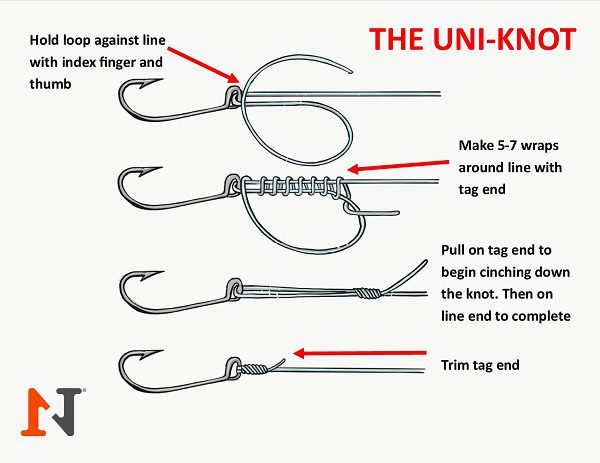
Are you tired of your fishing line slipping or tangling every time you head out to fish? Putting fishing line on your reel might seem tricky at first, but with the right steps, you can do it quickly and confidently.
Whether you’re a beginner or just want to improve your technique, this guide will show you exactly how to put fishing line on your reel the right way. Stick with me, and you’ll save time, avoid frustration, and get ready to catch more fish on your next trip.
Let’s dive in!

Credit: www.wikihow.com
Choosing The Right Fishing Line
Picking the right fishing line helps you catch fish more easily. It also keeps your gear safe and strong.
There are different kinds of fishing lines. Each works best in certain situations. Learn about them to make a good choice.
Types Of Fishing Line
Fishing lines come in three main types. Each has special features for different fishing needs.
- Monofilament:This line is stretchy and easy to handle. It works well for many fishing styles.
- Fluorocarbon:It is less visible underwater and sinks faster. Good for clear water fishing.
- Braided:Very strong and thin. It has little stretch and lasts a long time.
Selecting Line Strength
Choose line strength based on the fish size you want to catch. The strength is measured in pounds (lbs).
| Fish Type | Recommended Line Strength (lbs) |
|---|---|
| Small Panfish | 2 – 6 |
| Trout | 4 – 8 |
| Bass | 8 – 12 |
| Salmon | 12 – 20 |
| Large Saltwater Fish | 20+ |
Considering Fishing Conditions
Water type, weather, and obstacles affect your line choice. Match your line to these conditions.
- Clear Water:Use thin, less visible line like fluorocarbon.
- Muddy Water:Use thicker, bright-colored line to see it better.
- Heavy Cover:Use strong braided line to avoid breaks.
- Saltwater:Use lines that resist salt and sun damage.
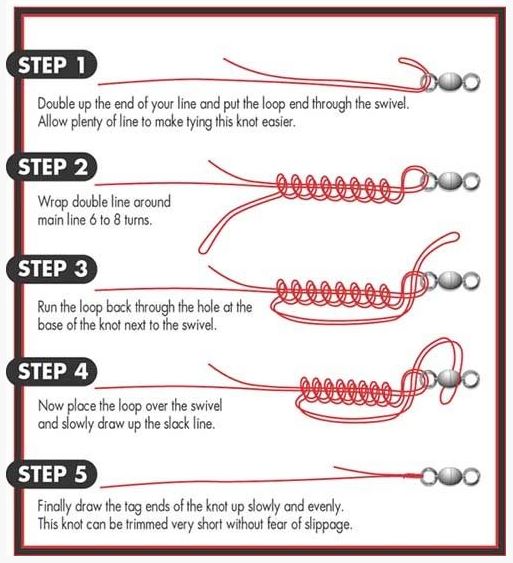
Credit: www.beadinggem.com
Preparing Your Reel
Before fishing, it’s important to prepare your reel. This helps you have a smooth fishing experience and avoids problems. Follow these steps to get your reel ready.
Cleaning The Reel
A clean reel works better and lasts longer. Dirt can cause damage. Make sure your reel is clean before adding new line.
- Use a soft brush to remove dirt.
- Wipe with a damp cloth.
- Dry it completely to avoid rust.
Removing Old Line
Old line can tangle and break. It’s good to replace it regularly. Remove it carefully to avoid damaging your reel.
- Cut the line near the spool.
- Unwind the line slowly.
- Dispose of the old line responsibly.
Checking Reel Components
Check all parts of your reel to ensure they work well. A quick check can save you from problems later.
- Inspect the handle for smooth movement.
- Check the drag system for proper tension.
- Look for any loose screws or parts.
Setting Up The Spool
Putting fishing line on a spool is important for a smooth fishing experience. Proper setup helps avoid tangles and line breaks.
This guide shows how to set up the spool correctly before you start fishing.
Attaching The Line To The Spool
Start by securing the fishing line to the spool. This keeps the line from slipping as you wind it on.
Wrap the line around the spool and tie it with a strong knot. A common knot used is the Arbor knot.
- Pass the line around the spool
- Tie a tight knot to hold the line
- Trim any extra line ends
Maintaining Proper Tension
Keep the line tight as you wind it onto the spool. Loose line can cause tangles and knots later.
You can use your fingers or a cloth to hold the line firmly while turning the reel handle.
- Hold the line with light pressure
- Wind the reel slowly and evenly
- Check the line tightness often
Avoiding Line Twists
Line twists cause tangles and reduce casting distance. Avoid twisting by paying attention during winding.
Make sure the line comes off the filler spool in the same direction as it goes onto the reel spool.
- Place the filler spool correctly
- Let the line flow smoothly off the filler spool
- Stop if you see loops or twists forming
Spooling The Fishing Line
Spooling your fishing line correctly is key for good casting and fishing. It helps avoid tangles and line breaks.
This guide will explain how to spool your fishing line with care and precision. Follow each part closely for best results.
Slow And Steady Spooling
Keep a steady pace when spooling the line onto the reel. Pull the line tight to avoid loose loops. Loose line causes tangles and reduces casting distance.
Have someone hold the spool or place it on a flat surface so it spins freely. This helps maintain even tension while you wind the line.
Filling The Spool Correctly
- Start by tying the line to the spool securely.
- Wind the line until the spool is about 1/8 inch from full.
- Do not overfill the spool to avoid line slipping off.
- Keep the line tight and even to prevent gaps or bunching.
- Check the spool edge often to keep the line level.
Final Line Check
| Check Item | What to Look For |
| Tension | Line should be tight without stretching |
| Line Level | Even across the spool, no lumps |
| Line Length | Enough to fill spool but not overfill |
| Knots | Secure and trimmed close to the spool |
Tips For Maintaining Your Spooled Line
Keeping your fishing line in good shape helps you catch more fish. Proper care extends the life of your line and reel.
This guide covers how to store your reel, when to replace your line, and ways to avoid damage.
Storing The Reel Properly
Store your reel in a cool, dry place to avoid rust and damage. Keep it away from direct sunlight and moisture.
- Loosen the drag to reduce pressure on the line.
- Keep the reel covered with a cloth or case.
- Check the reel for dirt or debris before storing.
- Make sure the line is clean and dry.
Replacing Line When Needed
Change your fishing line regularly to avoid breaks and tangles. Old line loses strength and can cause lost fish.
| Signs to Replace Line | Details |
| Fraying | Line threads look worn or broken |
| Discoloration | Line color fades or changes |
| Memory | Line keeps tight coils and won’t straighten |
| Reduced Casting Distance | Line feels heavy or rough |
Preventing Line Damage
Protect your line by avoiding sharp objects and rough surfaces. Handle the line gently to keep it strong.
- Use a line conditioner to reduce knots and tangles.
- Keep the line away from rocks and branches.
- Check for nicks or cuts before fishing.
- Use gloves when handling the line to avoid oils from your skin.

Credit: www.youtube.com
Frequently Asked Questions
How Do I Choose The Right Fishing Line?
Select fishing line based on your target fish and fishing style. Consider line strength, material, and visibility. Monofilament is versatile, fluorocarbon is less visible, and braided offers high strength. Match the line weight to your rod’s recommendations for optimal performance.
What Are The Basic Steps To Put Fishing Line On A Reel?
Start by attaching the line to the reel spool with an arbor knot. Hold the line taut and wind it evenly around the spool. Avoid overlaps and tight spots. Fill the spool to about 1/8 inch from the edge for smooth casting.
How Can I Prevent Fishing Line From Twisting?
To reduce line twist, spool the line under tension and avoid overfilling the reel. Use swivel connectors when needed. Let the line hang freely before casting. Regularly check and replace twisted sections to maintain smooth casting and retrieval.
When Should I Replace My Fishing Line?
Replace fishing line after noticeable wear, frays, or loss of strength. Also, change it every season or after heavy use to prevent breaks. Fresh line improves casting distance and reduces the chance of losing fish.
Conclusion
Putting fishing line on your reel is simple with practice. Take your time and follow each step carefully. Make sure the line is tight and smooth on the spool. Check for twists or knots before you start fishing. A properly loaded reel helps you cast farther and fish better.
Keep your gear ready and enjoy your fishing trips more. Practice makes perfect, so don’t worry if it feels tricky at first. Soon, it will become a quick and easy task. Happy fishing!