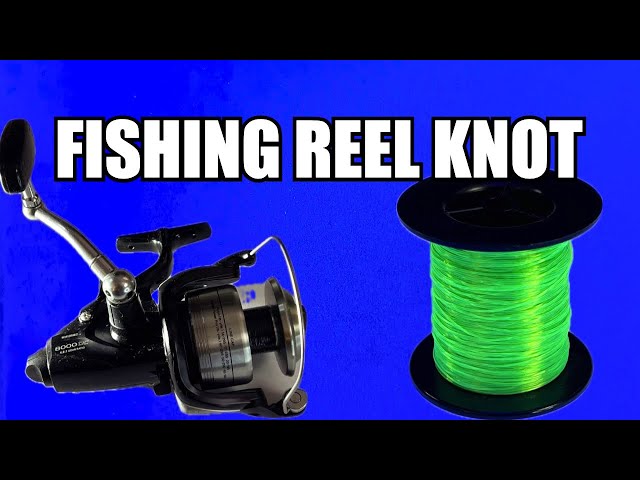
Getting your fishing line properly loaded onto your reel might seem tricky at first, but it’s easier than you think. If you’ve ever struggled with tangled lines or uneven spooling, this guide is for you.
By learning the right steps, you’ll save time, avoid frustration, and get out on the water faster. Keep reading, and you’ll discover simple tips to make sure your reel is ready for your next catch.

Credit: www.youtube.com
Choose The Right Fishing Line
Choosing the right fishing line is important for a good fishing experience. The line affects how well you catch fish and how easy it is to use the reel.
Picking the right type, strength, and material helps you fish better. This guide explains how to choose the best fishing line for your reel.
Types Of Fishing Lines
There are three main types of fishing lines: monofilament, fluorocarbon, and braided. Each type has different features and uses.
- Monofilament:Stretchy and easy to handle. Good for beginners.
- Fluorocarbon:Nearly invisible underwater. Good for clear water fishing.
- Braided:Very strong and thin. Good for heavy cover and long casts.
Selecting Line Strength
Line strength is shown by its “pound test.” This tells how much weight the line can hold before breaking.
Choose a strength that matches the fish you want to catch. Use lighter lines for small fish and heavier lines for big fish.
- Light line: 2-6 pounds, for small fish
- Medium line: 8-12 pounds, for medium fish
- Heavy line: 14-30 pounds, for large fish
Consider Line Material
Fishing lines come in different materials. Each material affects how the line behaves and lasts.
Choose a material based on your fishing needs and water conditions. Some materials stretch more, while others resist abrasion better.
- Monofilament:Stretchy, good for shock absorption.
- Fluorocarbon:Sinks faster, resistant to sunlight and water.
- Braided:No stretch, very strong, thin diameter.

Credit: www.youtube.com
Prepare Your Reel
Setting up your fishing reel properly is important for a successful fishing trip. Start by preparing your reel to ensure smooth operation.
Follow these steps to make sure your reel is ready for new fishing line.
Remove Old Line
Before adding new line, it’s important to remove the old one. This prevents tangles and ensures better performance.
- Cut the old line near the reel.
- Unwind it completely from the spool.
- Discard the old line responsibly.
Clean The Reel
Cleaning your reel helps maintain its function and extends its life. Use a soft cloth to wipe away any dirt or debris.
Inspect For Damage
Check your reel for any signs of damage or wear. This helps avoid problems while fishing.
| Part | Check For |
| Spool | Cracks or chips |
| Handle | Looseness |
| Bail | Proper function |
Attach The Line To The Reel
Putting fishing line on your reel is an important task. It helps you cast smoothly and catch fish easily.
One key part is attaching the line to the reel properly. This guide will help you do it right.
Threading The Line
Start by passing the fishing line through the rod guides. Then, thread it onto the reel spool carefully.
Make sure the line feeds from the spool in the right direction to avoid twists and tangles.
Tie Secure Knots
Tie a strong knot to attach the line to the reel spool. A good knot keeps the line from slipping off.
Use knots like the Arbor knot or Improved Clinch knot. These are simple and hold well under pressure.
- Wrap the line around the spool
- Tie the chosen knot tightly
- Trim excess line close to the knot
Check Line Alignment
After tying, check that the line sits evenly on the spool. Uneven line can cause problems while casting.
Turn the reel handle slowly. Adjust the line so it winds smoothly without overlapping or bunching.
Spool The Line Correctly
Putting fishing line on a reel is a basic skill every angler needs. Spooling the line correctly helps you fish smoothly and avoid problems.
This guide will show you how to spool your fishing line the right way. Follow these tips for the best results.
Maintain Proper Tension
Keeping the right tension on the line is very important. Too loose, and the line may tangle. Too tight, and it can stretch or break.
Hold the line firmly between your fingers as you spool it. This will keep the line tight and neat on the reel.
Avoid Line Twist
Line twist causes knots and weak spots. It happens when the line spins too much while spooling or fishing.
To avoid twist, let the line come off the spool in the same direction it goes on your reel. You can also use a swivel to reduce twist.
- Place the spool of line facing up or down to match your reel’s rotation.
- Keep the line straight and avoid letting it loop loosely.
- Use a swivel if your bait or lure spins a lot.
Fill The Spool Evenly
Fill the reel spool evenly with line. This prevents tangles and helps your reel work better.
Start by adding a small amount of line by hand. Then, spool the rest while keeping the line tight and even.
- Do not overfill the spool; leave a small gap at the top.
- Check that the line lays flat and side by side.
- Stop spooling if the line starts piling up unevenly.
Finishing Touches
After spooling the fishing line onto your reel, it is important to finish the setup correctly. This ensures your line stays secure and works well while fishing.
These last steps help prevent line slippage and make your fishing experience smoother.
Secure The Line End
Secure the line end to keep it from unraveling. Tie a small knot near the reel or use the reel’s line clip if it has one.
This holds the line tight and stops it from loosening when you move the reel.
- Tie a simple overhand knot around the spool
- Use the built-in line clip on the reel spool
- Make sure the knot or clip is firm but not too tight
Trim Excess Line
Cut off any extra line after securing the end. Leaving too much line can cause tangles or get caught during casting.
Use sharp scissors or clippers for a clean cut close to the knot or clip.
- Leave about 1/8 inch of line past the knot
- Make sure the cut is clean and smooth
- Avoid cutting too close to prevent the knot from slipping
Test The Setup
Check that the line is tight and rolls smoothly on the reel. Turn the handle slowly to feel for any slack or resistance.
Make a few practice casts to see if the line feeds out properly without tangles or snags.
- Turn the reel handle to check line tension
- Pull some line off the spool to test smoothness
- Practice casting to identify any issues early
Tips To Prevent Common Mistakes
Putting fishing line on a reel can be tricky for beginners. Mistakes like overfilling or tangling cause frustration.
Follow simple tips to avoid common problems. This helps your fishing line last longer and work better.
Avoid Overfilling
Do not fill the reel spool too much. Overfilling leads to line slipping off or tangling during casting.
Leave about 1/8 inch space from the edge of the spool. This space prevents the line from slipping off easily.
- Check the reel’s recommended line capacity
- Fill slowly and evenly around the spool
- Stop filling when line reaches near the spool edge
Prevent Line Tangling
Tangling happens if the line twists or loops while winding. This causes knots and weak spots.
Keep the line tight and aligned with the spool. Use the correct winding direction for your reel type.
- Attach the line firmly to the spool
- Use your fingers to keep line tension
- Wind the handle slowly and evenly
- Check line direction matches reel instructions
Regular Maintenance
Keep your reel clean and well-maintained. Dirt or salt buildup can damage the line and reel parts.
Check your line and reel regularly. Replace old or worn line to avoid breakage while fishing.
- Wash reel with fresh water after use
- Dry the reel before storing
- Lubricate reel parts as needed
- Inspect line for frays or damage
- Replace line every few months or after heavy use

Credit: windrider.com
Frequently Asked Questions
How Do I Choose The Right Fishing Line For My Reel?
Select a line that matches your reel’s capacity and fishing type. Consider strength, flexibility, and material for best performance.
What Is The Best Method To Spool Fishing Line On A Reel?
Attach the line to the spool, keep tension, and wind slowly. Avoid twisting to ensure smooth casting and retrieval.
How Much Fishing Line Should I Put On My Reel?
Fill the spool to about 1/8 inch below the rim. Overfilling can cause tangles, and underfilling reduces casting distance.
Can I Use Any Fishing Line With Any Reel?
Not all lines fit every reel. Match line type and size to your reel specifications for optimal function.
Conclusion
Putting fishing line in a reel is simple with the right steps. Take your time and follow each part carefully. A well-spooled reel helps your fishing go smoothly. Avoid tangles by keeping the line tight as you wind. Practice a few times to feel more confident.
Soon, changing your fishing line will feel easy. Enjoy your fishing trips with less hassle and more fun. Keep your gear ready and your patience high. Fishing becomes better with good preparation and care.