Putting fishing line on a baitcast reel might seem tricky at first, but once you know the right steps, it becomes quick and simple. If you’ve ever struggled with tangled lines or poor casting, this guide is made just for you.
By following easy, clear instructions, you’ll get your reel ready fast and enjoy smoother, more accurate fishing. Keep reading, and you’ll discover how to save time, avoid frustration, and get the most out of your baitcast reel every time you hit the water.

Credit: www.youtube.com
Choosing The Right Fishing Line
Picking the right fishing line is important for baitcast reels. The line affects casting, control, and catching fish.
This guide explains types of fishing lines, strength, diameter, and best choices for baitcast reels.
Types Of Fishing Lines
There are three main types of fishing lines: monofilament, fluorocarbon, and braided. Each has unique features.
Monofilament is soft and stretches well. Fluorocarbon is less visible underwater. Braided line is strong and thin.
- Monofilament: good for beginners, affordable
- Fluorocarbon: low visibility, sinks faster
- Braided: very strong, thin diameter
Line Strength And Diameter
Line strength is measured in pounds (lbs). It shows how much weight the line can hold before breaking.
Diameter affects how the line moves on the reel and through water. Thinner lines cast farther and are less visible.
- Stronger lines have larger diameter
- Thin lines offer better casting distance
- Choose strength based on the fish you target
Best Line For Baitcast Reels
Braided line works well on baitcast reels because it is strong and thin. It helps with long casts and control.
Use a braided line with a fluorocarbon leader for invisibility and strength. Monofilament can be used but may stretch too much.
- Braided line: strong, thin, good for heavy cover
- Fluorocarbon leader: hides line near the bait
- Monofilament: stretches and absorbs shocks

Credit: www.youtube.com
Preparing The Baitcast Reel
Getting your baitcast reel ready is important before adding the fishing line. A clean, well-adjusted reel works better and lasts longer.
Follow these steps to prepare your baitcast reel for spooling the line correctly.
Cleaning The Reel
Start by cleaning the reel to remove dirt and old grease. This helps the reel work smoothly and prevents damage.
Use a soft cloth and mild cleaner to wipe the outside. For inside parts, carefully use a small brush or compressed air.
- Wipe the reel frame and handle
- Clean the spool and line guide
- Remove debris from the drag system
Inspecting The Spool
Check the spool for any signs of damage or wear. A damaged spool can cause line problems or breakage.
Look for cracks, dents, or rough spots on the spool surface. Make sure the spool spins freely without noise.
- Spin the spool to check smoothness
- Look closely for physical damage
- Ensure the spool is clean and dry
Adjusting The Reel Settings
Set the reel adjustments before adding the line. Proper settings help control the line and reduce backlash.
Check and adjust the spool tension and brake system according to your fishing needs and line type.
- Set the spool tension knob to match the lure weight
- Adjust the brake system for smooth casting
- Test cast to fine-tune the settings
Attaching The Line To The Spool
Attaching the fishing line to your baitcast reel is important for success. Follow these steps to ensure a smooth start.
Properly attaching the line prevents tangles and increases casting distance. Let’s explore the steps involved.
Threading The Line
First, pass the line through the rod guides. Start at the tip and work down to the reel.
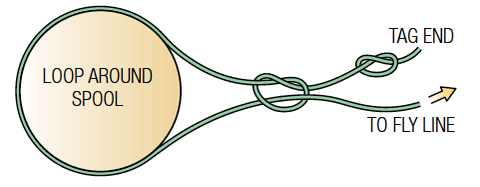
Tying The Arbor Knot
The arbor knot helps secure the line to the reel spool. It’s simple and effective.
- Wrap the line around the spool.
- Tie an overhand knot around the standing line.
- Tie another overhand knot in the tag end.
- Pull the standing line to slide the knots together.
Securing The Knot
After tying the knot, ensure it is tight and secure. This prevents slippage during casting.
| Action | Outcome |
| Check knot tightness | Prevents line slipping |
| Trim excess line | Reduces tangles |
| Start spooling | Ready for fishing |

Credit: www.youtube.com
Spooling The Line Properly
Putting fishing line on a baitcast reel needs care. Proper spooling helps avoid problems while fishing.
Follow the right steps to keep the line tight and neat on the reel spool. This guide covers key points.
Maintaining Line Tension
Keep tension on the line as you spool it. Loose line causes tangles and poor casting.
- Hold the line between your fingers while spooling.
- Ask someone to hold the spool tight if needed.
- Use a cloth to keep a firm grip on the line spool.
- Make sure the line feeds smoothly onto the reel.
Avoiding Overfilling
Do not fill the reel spool too much. Overfilling can cause the line to slip off.
| Spool Type | Recommended Fill Level |
| Low Profile | About 1/8 inch below the spool edge |
| Round Baitcast | About 1/16 inch below the spool edge |
Checking For Twists And Tangles
Watch for twists or tangles as you spool. These cause line damage and casting issues.
Tips to avoid line twists:
- Let the line spool off the filler spool in the same direction it enters the reel.
- Keep the reel level and steady while spooling.
- Stop if you see loops or loops forming on the reel.
Final Adjustments And Tips
After putting fishing line on a baitcast reel, some final steps help improve performance. These adjustments make fishing easier and protect your gear.
Follow these simple tips to finish your setup and get ready to fish.
Trimming Excess Line
Cut off extra fishing line close to the reel spool. Leaving too much line can cause tangles and line twists.
Use sharp scissors or a line cutter for a clean cut. Make sure the line end is neat to avoid slipping.
Setting The Drag
The drag controls how much resistance a fish feels when pulling the line. Adjust it to match your fishing style and line strength.
Tighten the drag so the line pulls out with steady pressure but does not snap easily.
- Turn drag knob clockwise to increase resistance
- Turn counterclockwise to reduce resistance
- Test drag by pulling line with your hand
Testing The Reel
Before fishing, test the reel to ensure it works smoothly. Check the casting and reeling actions.
Cast the line a few times in an open area. Watch for any snags or backlash. Reel in to confirm the drag and handle feel right.
Frequently Asked Questions
How Do I Prepare My Baitcast Reel For New Line?
First, remove old line and clean the spool. Check for damage or dirt. This ensures smooth line placement and better casting.
What Type Of Fishing Line Suits Baitcast Reels?
Monofilament, fluorocarbon, and braided lines work well. Choose based on fishing conditions and target species for optimal performance.
How Much Line Should I Spool On A Baitcast Reel?
Fill the spool to about 1/8 inch from the edge. Overfilling causes tangles; underfilling reduces casting distance.
Can I Use Braided Line On A Baitcast Reel?
Yes, braided line is strong and sensitive. Use a monofilament backing to prevent slipping on the spool.
Conclusion
Putting fishing line on a baitcast reel is easier than it seems. Follow the steps carefully and take your time. Make sure the line is tight and even on the spool. This helps prevent tangles and improves casting. Practice a few times to get comfortable with the process.
Soon, you will enjoy smooth fishing trips with your baitcast reel. Keep your gear ready and enjoy every moment by the water. Simple actions lead to better fishing experiences.