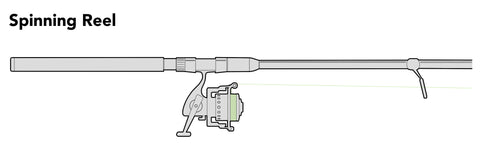
Are you ready to get your fishing pole ready for the next big catch? Putting fishing line on your fishing pole might seem tricky at first, but with the right steps, you can do it quickly and easily.
Whether you’re a beginner or just need a refresher, this guide will help you avoid common mistakes and make sure your line is set perfectly. Keep reading, and you’ll be casting like a pro in no time!

Credit: www.youtube.com
Choosing The Right Fishing Line
Picking the right fishing line makes fishing easier and more fun. The line connects you to the fish. It must be strong and fit your fishing style.
This guide helps you choose the best line for your fishing pole. We look at types, strength, and conditions.
Types Of Fishing Lines
Fishing lines come in many types. Each has its own use and strength. Here are the main types:
- Monofilament:Made of one strand of nylon. It stretches well and is easy to handle.
- Fluorocarbon:Hard to see in water. It sinks faster and resists abrasion.
- Braid:Made of many fibers woven together. Very strong and thin with little stretch.
Selecting Line Strength
Line strength means how much weight it can hold without breaking. It is measured in pounds (lb).
| Fish Type | Line Strength (lb) |
|---|---|
| Small fish (sunfish, trout) | 4-8 lb |
| Medium fish (bass, walleye) | 8-15 lb |
| Large fish (pike, catfish) | 15-30 lb |
| Very large fish (salmon, saltwater species) | 30+ lb |
Choose a line that matches the fish size. Stronger lines help catch big fish but can be harder to cast.
Considering Fishing Conditions
Think about water type and weather. These affect your line choice.
- Clear water: Use thin, less visible line like fluorocarbon.
- Muddy water: Use thicker line that is easy to see.
- Rocky or rough areas: Use abrasion-resistant line like braid or fluorocarbon.
- Windy days: Use heavier line to control casting.
Preparing Your Fishing Pole
Before putting fishing line on your fishing pole, you need to prepare it well. Proper preparation helps the line go on smoothly.
Taking time to inspect and set up your pole will make fishing more enjoyable and effective.
Inspecting The Reel
Check the reel for any damage or dirt. Make sure the spool is clean and spins freely. Tighten any loose screws on the reel.
Look for signs of rust or wear. Replace worn parts before adding new line.
Setting Up The Rod
Assemble the rod sections firmly. Align the guides in a straight line from the handle to the tip.
- Hold the rod with the handle down.
- Attach the reel seat securely.
- Check if the reel locks in place without wobbling.
- Make sure the rod guides face upward.
- Confirm the rod feels balanced when held.
Cleaning The Guides
Clean the guides to avoid line damage. Use a soft cloth and mild soap to wipe each guide.
| Guide Part | Cleaning Tip |
|---|---|
| Rings | Wipe gently to remove dirt and salt |
| Frames | Check for cracks or bends |
| Inserts | Use a cotton swab to clean inside |
Attaching The Line To The Reel
Putting fishing line on your fishing pole starts with attaching it to the reel. This step keeps the line secure and ready for casting. Follow the right process to avoid tangles and line breaks.
Attaching the line properly helps your fishing experience go smoothly. It makes sure the line feeds out evenly when you cast.
Threading The Line
First, pull the fishing line from the spool. Pass the end of the line through the reel’s line guide. This is a small opening on the reel that helps the line feed evenly.
Next, pull the line around the spool of the reel. Make sure the line lies flat and does not twist or tangle.
Tying The Arbor Knot
The arbor knot secures the line to the reel spool. It is simple and strong. Start by wrapping the line around the spool once.
Then, tie an overhand knot around the main line with the tag end. Pull the knot tight against the spool. This keeps the line from slipping.
- Wrap line around the spool
- Make an overhand knot with tag end
- Tighten knot against the spool
Securing The Line
After tying the knot, pull the line tight to check the hold. Trim any extra line close to the knot. This avoids loose ends that can catch or tangle.
Turn the reel handle slowly to wind the line onto the spool. Keep light tension on the line with your fingers. This makes the line wrap evenly without gaps or overlaps.
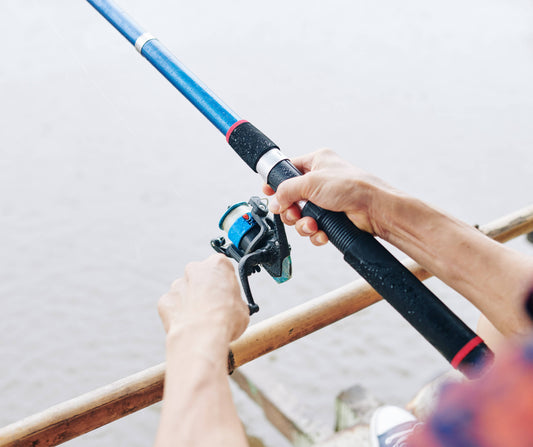
Credit: windrider.com
Spooling The Line
Spooling the fishing line onto your fishing pole is an important step. It helps your reel work smoothly and catches fish better.
Proper spooling keeps the line strong and ready for fishing trips. Let’s look at how to do it right.
Maintaining Tension
Keeping tension on the line while spooling is key. It stops the line from loosening and tangling.
You can hold the line between your fingers or use a cloth to keep pressure. This helps the line wrap tightly around the spool.
- Keep a firm but gentle hold on the line
- Ask someone to help hold the spool if needed
- Keep the line tight as you wind it onto the reel
Winding The Line Evenly
Wind the line evenly across the spool. This avoids bunches and gaps that cause problems later.
Move the line back and forth with your hand. Make sure it lays flat and fills the spool properly.
- Turn the reel slowly and steadily
- Guide the line to spread it evenly
- Stop before the spool is too full
Avoiding Line Twist
Line twist makes fishing hard and can cause knots. Avoid it by letting the spool spin freely.
Make sure the fishing line comes off the filler spool in the same direction it goes onto your reel spool.
- Hold the line to prevent slack
- Check the line direction before spooling
- Stop and fix twists if you see loops forming
Finishing The Setup
After attaching the fishing line to your reel, you need to complete the setup. This step ensures your fishing pole works well and is ready to catch fish.
Focus on cutting the extra line, threading it through the guides, and tying the leader or hook properly. These steps keep the line neat and strong.
Cutting Excess Line
Once the line is spooled on the reel, you will have some extra line left. Cutting this excess helps avoid tangles and keeps your setup clean.
- Pull the line tight so it sits well on the reel.
- Use sharp scissors or line cutters.
- Cut the line about 6 inches from the reel spool.
- Leave a small amount to tie the leader or hook later.
Threading The Line Through Guides
The guides are the small rings along the fishing pole. Threading the line through these guides helps control the line and improves casting.
- Start at the bottom near the reel.
- Pass the line through each guide, moving toward the rod tip.
- Make sure the line sits inside each guide smoothly.
- Check that the line is not twisted or tangled at any point.
Tying The Leader Or Hook
The leader or hook attaches to the end of your fishing line. Tying it correctly is important for a strong hold and successful fishing.
| Common Knot | Purpose | Basic Steps |
|---|---|---|
| Improved Clinch Knot | Secure hook or lure | Thread line, wrap 5-7 times, pass through loop, tighten |
| Palomar Knot | Strong and simple | Double line, pass through hook eye, tie overhand knot, tighten |
| Loop Knot | Allows lure movement | Make loop, tie overhand knot around main line, tighten |

Credit: sportfishinghub.medium.com
Common Mistakes To Avoid
Putting fishing line on a fishing pole seems simple. Many anglers make avoidable errors that affect casting and fishing.
Knowing these common mistakes helps you set up your gear correctly and enjoy fishing more.
Overfilling The Spool
Putting too much line on the spool can cause tangles and reduce casting distance. It also increases the risk of line breakage.
- Do not fill the spool above the rim.
- Leave a small gap to avoid line slipping off.
- Check the spool’s line capacity before filling.
Loose Knots
Tying loose knots reduces strength and can cause the line to slip or break while fishing. Always pull knots tight and test them.
| Common Knot Mistakes | Effect |
|---|---|
| Loose knot | Line slips, losing hook or lure |
| Wrong knot type | Less strength in line |
| Not wetting knot before tightening | Line weakens from friction |
Ignoring Line Condition
Old or damaged line can snap easily. Check the line for cracks, discoloration, or stiffness before putting it on the pole.
- Replace line that looks worn or brittle.
- Store line away from sunlight and heat.
- Use line conditioner to keep it flexible.
Tips For Line Maintenance
Keeping your fishing line in good shape helps you catch more fish. Proper care extends the life of your line.
Follow these tips to check, replace, and store your fishing line correctly.
Regular Inspection
Look at your fishing line before and after each use. Check for cuts, nicks, or worn spots that can cause breaks.
Also, feel the line for roughness or thin areas that may not be visible. Replace the line if you find damage.
- Check for frays near the reel and guides
- Look for discoloration or stiffness
- Test line strength by gently pulling
Replacing Old Line
Old fishing line loses strength and can break easily. Replace your line regularly to avoid losing fish.
Remove all old line from the spool before adding new line. This helps the new line to spool evenly.
- Choose the right type and strength of line
- Wind the new line tightly and evenly on the reel
- Leave some extra line to tie knots easily
Proper Storage
Store your fishing pole and line in a cool, dry place away from sunlight. Sunlight can weaken the line.
Keep the line loose on the reel to prevent stretching and memory problems. Use a line conditioner if needed.
- Avoid storing wet line to prevent mold
- Use a rod cover or case for protection
- Check stored line regularly for damage
Frequently Asked Questions
How Do I Choose The Right Fishing Line?
Choosing the right fishing line depends on your fishing location and target species. For freshwater, monofilament is versatile. For saltwater, braided line offers strength and sensitivity. Consider line weight and visibility. Thicker lines are stronger but more visible. Always match the line to your rod and reel capacity for best results.
What Tools Do I Need To Spool A Fishing Line?
To spool a fishing line, you’ll need a fishing reel, line, and scissors. A pencil or dowel can hold the line spool. This setup helps prevent tangles. A line tensioner or another person can assist in keeping tension. Proper tension ensures the line spools evenly onto the reel.
How Do I Prevent Line Twists?
To prevent line twists, ensure the line spool label faces up. Hold the rod steady and apply consistent tension. If twists occur, let the line out behind a moving boat. Reel it back in slowly. Regularly check for line twists and correct them immediately to maintain smooth casting.
What Is The Best Knot For Fishing Line?
The Palomar knot is widely recommended for fishing lines. It’s strong, easy to tie, and works for most line types. Begin by doubling the line and passing it through the hook eye. Tie a simple overhand knot, then pass the loop over the hook.
Pull both ends to tighten securely.
Conclusion
Putting fishing line on a fishing pole is simple with practice. Follow the steps carefully and take your time. A well-spooled line helps you fish better and avoid tangles. Check your line often to keep it strong and ready. Soon, you will feel confident preparing your fishing gear.
Enjoy your time by the water and good luck fishing!