Are you ready to improve your fishing game? Knowing how to put fishing line on a fishing reel is a simple skill that can make a big difference on your next trip.
If your line is tangled or not set up right, you could miss the catch of the day. But don’t worry—this guide will walk you through every step. By the end, you’ll feel confident and ready to reel in those big fish.
Keep reading to learn the easy way to get your reel ready for action!
Choosing The Right Fishing Line
Selecting the right fishing line is important for a good fishing experience. It affects how well you cast and catch fish.
You should know the types of lines, their strength, and how to match them to your reel.
Types Of Fishing Lines
There are several types of fishing lines. Each type has different uses and benefits.
- Monofilament:Easy to handle and stretchable. Good for beginners.
- Fluorocarbon:Low visibility in water. Strong and abrasion resistant.
- Braid:Very strong and thin. Good for heavy cover fishing.
Line Strength And Diameter
Line strength is measured in pounds. Diameter affects casting distance and sensitivity.
| Line Type | Common Strength (lbs) | Diameter (inches) |
|---|---|---|
| Monofilament | 6 – 20 | 0.010 – 0.020 |
| Fluorocarbon | 8 – 25 | 0.009 – 0.018 |
| Braid | 10 – 50 | 0.006 – 0.020 |
Matching Line To Reel
Choose a line that fits your reel’s capacity and fishing style. Check the reel for line limits.
- Use lighter lines for spinning reels to reduce tangles.
- Heavier lines work well with baitcasting reels for strong fish.
- Match line strength with the size of fish you want to catch.
Preparing Your Fishing Reel
Putting fishing line on a reel starts with good preparation. You need to clean and check your reel first.
This helps avoid problems and keeps your reel working well for a long time.
Cleaning The Reel
Clean your reel to remove dirt, salt, and old grease. Use a soft cloth and warm water.
- Wipe the outside of the reel carefully.
- Use a soft brush to clean small parts.
- Dry the reel with a clean towel.
- Apply a small amount of reel oil to moving parts.
Removing Old Line
Take off the old fishing line before adding new line. This makes sure the reel works well.
- Cut the old line near the spool.
- Pull the line gently to remove it from the reel.
- Check the spool for any leftover bits of line.
- Dispose of the old line properly to avoid tangles.
Checking Reel Components
Inspect the reel parts to find any damage or wear before adding new line.
| Component | What to Check | Action if Problem |
| Drag System | Smooth operation and no noise | Clean or replace parts |
| Bail Arm | Opens and closes easily | Tighten screws or replace |
| Handle | Rotates smoothly without wobble | Lubricate or repair |
| Spool | No cracks or dents | Replace spool if damaged |
Spooling The Fishing Line
Spooling a fishing line onto a reel is an essential skill for anglers. It ensures smooth casting and reduces line tangles.
Follow these simple steps to properly spool your fishing line and enhance your fishing experience.
Attaching Line To The Spool
Begin by securing the line to the spool. This prevents slippage and ensures a firm start to the spooling process.
Use an arbor knot to attach the line securely to the spool.
The knot should be tight to hold under pressure.
Maintaining Line Tension
Keeping the line taut is crucial as you spool. This prevents line twists and ensures even distribution.
- Hold the line between your fingers with slight pressure.
- Ensure the line spools smoothly without slack.
- Check tension regularly as you wind.
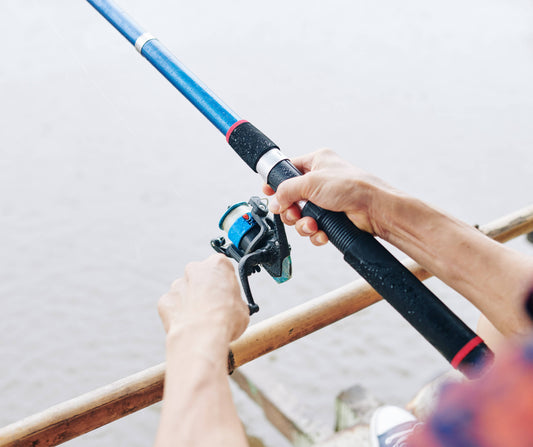
Winding Line Evenly
Distribute the line evenly across the spool. This step avoids line bunching and ensures a smooth cast.
| Technique | Effect |
| Crisscross winding | Prevents line overlap |
| Even tension | Reduces line slippage |
| Consistent speed | Ensures uniform layer |
Credit: windrider.com
Finalizing The Setup
After loading the fishing line onto your reel, you need to finish the setup carefully. This ensures your line stays secure and works well while fishing.
Follow these final steps to secure the line, test the reel, and trim any extra line for a smooth fishing experience.
Securing The Line
Tie the line firmly to the reel spool with a strong knot. This keeps the line from slipping off during casting.
Make sure the knot is tight and close to the spool. You can use an arbor knot or similar secure knot.
- Pass the line around the spool
- Make a loop with the tag end
- Tie a simple overhand knot around the main line
- Pull the knot tight against the spool
- Trim excess line from the knot
Testing The Reel
Turn the reel handle slowly to check if the line moves smoothly. This helps spot any problems before fishing.
Look for tight spots or loose line loops. Adjust the tension or rewind if needed to fix these issues.
- Rotate the handle slowly
- Watch the line spool evenly
- Check for any snags or slack
- Tighten the drag system moderately
- Make corrections if line slips
Trimming Excess Line
Cut any extra line that extends past the reel spool. This prevents tangles and helps your cast fly smoothly.
Leave a small amount of line beyond the spool edge. This avoids damage to the line or reel during use.
- Use sharp scissors or line cutters
- Cut close to the spool but not too tight
- Keep about 1/8 inch of extra line
- Check for frayed ends and trim clean
Common Mistakes To Avoid
Putting fishing line on a reel seems easy, but many make mistakes. These errors can cause problems while fishing.
Knowing what to avoid helps you fish longer and prevents line damage or tangles.
Overfilling The Spool
Putting too much line on the spool causes tangles and knots. It also makes casting harder and less smooth.
Leave some space below the spool edge to keep the line neat and ready to cast.
- Fill the spool about 1/8 inch from the edge
- Too much line leads to bird nests and backlash
- Too little line reduces casting distance
Twisting The Line
Line twists happen when you spool the line incorrectly. Twisted line causes loops and weak spots.
Make sure to let the line spin off the filler spool naturally while winding it onto the reel.
- Keep the line under light tension while spooling
- Do not let the line spin freely before winding
- Use the correct direction to spool line on the reel
Ignoring Line Maintenance
Old or damaged line breaks easily and reduces casting distance. It can also cause missed fish.
Check your line often and replace it if it shows signs of wear or damage.
- Look for cracks, frays, or discoloration
- Replace line every few months if you fish often
- Store your reel out of direct sunlight to protect the line

Credit: windrider.com
Tips For Long-lasting Line Performance
Putting fishing line on a reel is easy, but keeping it in good shape takes care. Good line performance helps you catch more fish.
This guide shares simple tips to keep your fishing line strong and ready for action. Follow these steps for better results.
Storing Your Line Properly
Store your fishing line in a cool, dry place. Avoid sunlight and heat because they can weaken the line.
Keep your line on the spool or in a sealed container to stop dust and dirt from sticking to it.
- Use plastic bags or line storage boxes
- Keep line away from direct sunlight
- Store in a place with stable temperature
Regular Line Inspections
Check your line often for cracks, frays, or weak spots. These can cause breaks during fishing.
Run the line through your fingers to feel for rough areas. Look for discoloration or stretching.
- Look for nicks and cuts
- Check for softness or stiffness changes
- Replace damaged sections immediately
Replacing Line When Needed
Change your fishing line after heavy use or yearly if you fish often. Old line loses strength and can snap.
Choose the right type and strength of line for your fishing style when replacing it.
- Replace line after catching big fish
- Swap line if it feels weak or brittle
- Use fresh line for better casting and control

Credit: www.youtube.com
Frequently Asked Questions
How Do I Choose The Right Fishing Line For My Reel?
Choosing the correct fishing line depends on the fish type and reel capacity. Consider line strength, material, and thickness for best results.
What Is The Step-by-step Process To Spool A Fishing Reel?
Start by attaching the line to the reel spool. Then, wind the line evenly under tension until full. Finally, cut and secure the line.
How Much Fishing Line Should I Put On My Reel?
Fill your reel spool about 80% full to avoid tangles and improve casting performance. Overfilling can cause line issues.
Can I Use Any Fishing Line With Any Reel?
Not all lines suit every reel. Match line type and strength to your reel’s size and fishing style for optimal performance.
Conclusion
Putting fishing line on a reel is simple with practice. Follow each step carefully for the best results. Keep the line tight and avoid twists for smooth casting. Check your reel often to ensure the line stays in place. With patience, your fishing experience will improve.
Enjoy your time on the water and happy fishing!