Are you tired of your fishing line tangling or breaking right when you’re about to catch a big fish? Putting fishing line on your reel the right way can make all the difference between a frustrating day and a successful one on the water.
Whether you’re new to fishing or just need a quick refresher, this guide will walk you through simple, step-by-step instructions to get your reel ready fast. Keep reading, and you’ll learn how to save time, avoid common mistakes, and enjoy smoother casts every time you fish.
Your next great catch starts here!
Choosing The Right Fishing Line
Choosing the right fishing line is important for a good fishing experience. The line must fit your fishing style and the fish you want to catch.
Picking the correct line helps you cast well and avoid breakage. It also works well with your reel and rod.
Types Of Fishing Lines
There are three main types of fishing lines. Each has special features and uses.
- Monofilament: Flexible and easy to handle. Good for beginners.
- Fluorocarbon: Less visible in water. Good for clear water fishing.
- Braid: Very strong and thin. Best for heavy cover fishing.
Choose the type based on the fish and water you will fish in.
Line Strength And Thickness
Line strength is how much weight the line can hold before breaking. It is measured in pounds.
Thickness affects casting and how the line moves in water. Thinner lines cast farther but may be weaker.
- Light lines (2-6 lb) are for small fish and light tackle.
- Medium lines (8-14 lb) fit most fishing needs.
- Heavy lines (16+ lb) are for big fish and tough conditions.
Matching Line To Reel And Rod
Your fishing line must match the reel and rod. Each reel has a limit for line weight and length.
Check the rod’s label for its recommended line strength. Using the right line improves performance and avoids damage.
- Use light lines with light rods and small reels.
- Use medium lines with medium rods and reels.
- Use heavy lines with strong rods and large reels.

Credit: windrider.com
Preparing Your Reel
Before putting new fishing line on your reel, you need to prepare it well. Proper preparation helps your reel work smoothly.
Start by removing old line and cleaning the reel. Then check all parts to make sure they are in good shape.
Removing Old Line
Take off the old fishing line to avoid tangles and damage. This makes the new line last longer and work better.
- Cut the line near the spool.
- Pull the line off slowly and carefully.
- Remove any leftover line pieces stuck on the reel.
Cleaning The Reel
Cleaning your reel removes dirt and salt that can harm it. Use a soft cloth and mild cleaner for best results.
| Cleaning Tool | Purpose |
|---|---|
| Soft cloth | Wipe off dirt and dust |
| Soft brush | Remove debris from small parts |
| Mild soap solution | Clean sticky or oily spots |
| Lubricant | Protect moving parts after cleaning |
Checking Reel Components
Look over the reel parts to find any damage or wear. Fix or replace parts before adding new line.
- Check the spool for cracks or bends.
- Inspect the drag system for smoothness.
- Test the handle and gears for any stiffness.
- Make sure the bail arm moves freely.
Attaching The Line To The Reel
Putting fishing line on a reel starts with attaching it correctly. This step keeps the line from slipping off during use.
A secure attachment helps the line spool evenly. It also prevents tangles and line damage later on.
Securing The Line To The Spool
First, place the end of the fishing line against the spool. Hold it tightly so it does not move.
Wrap the line around the spool a few times. This adds friction and holds the line in place before tying.
Tying The Arbor Knot
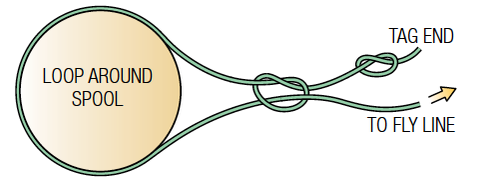
The arbor knot is strong and easy to tie. It connects the line firmly to the spool’s center.
To tie the arbor knot, follow these steps:
- Pass the line around the spool.
- Make an overhand knot around the main line.
- Tie a second overhand knot at the tag end.
- Pull both knots tight against the spool.
Ensuring A Tight Knot
Pull the line slowly to tighten the knots. Make sure they sit close to the spool without gaps.
Trim the loose ends near the knots. This stops the line from catching or loosening during fishing.
Spooling The Line
Spooling the line onto a fishing reel is an important step before fishing. It helps your reel work smoothly and prevents problems during casting.
This guide shows how to spool the line correctly for the best fishing experience.
Setting Proper Tension
Keeping the right tension on the fishing line is key. Too loose, and the line may tangle. Too tight, and it can break or damage the reel.
Use your fingers or a cloth to hold the line firmly as you spool it. This keeps the line tight and neat on the reel.
Winding The Line Evenly
Wind the line evenly across the reel spool. This prevents lumps and helps the line come off smoothly when casting.
Move the line guide back and forth slowly as you spool the line. This spreads the line across the whole spool surface.
Avoiding Twists And Overlaps
Twists and overlaps cause tangles and knots during fishing. To avoid this, ensure the line comes off the spool in the right direction.
Check the line for twists before spooling. Let the line spool spin freely if possible to reduce twists.
Finishing Up
After winding the fishing line onto your reel, you need to complete a few important steps. These help ensure your fishing setup works smoothly on your next trip.
This guide covers cutting the line, threading it through the guides, and testing the setup for best performance.
Cutting The Line
Use sharp scissors or line cutters to trim the fishing line after winding it onto the reel. Leave a few inches of extra line to work with for tying knots or threading through guides.
Threading The Line Through Guides
Thread the fishing line through each guide on the rod, starting from the tip and moving toward the reel. This keeps the line aligned and helps cast smoothly.
- Hold the rod firmly.
- Pass the line through the first guide near the tip.
- Continue threading through each guide until reaching the reel.
- Make sure the line sits inside each guide ring without twisting.
Testing The Setup
Check your fishing reel and rod setup before heading out. Testing helps find any problems early and saves frustration on the water.
| Test | What to Check | Action if Problem |
|---|---|---|
| Line tension | Line should feel firm but not too tight | Adjust drag knob on reel |
| Line smoothness | Line moves freely through guides | Re-thread line if stuck or twisted |
| Reel operation | Reel handle turns smoothly without noise | Lubricate or clean reel parts |
Common Mistakes To Avoid
Putting fishing line on a reel can be simple. Still, some mistakes cause problems during fishing. Knowing these errors helps you fish better.
This guide covers common mistakes to avoid. Fixing them will improve your fishing experience and line performance.
Overfilling The Spool
Many anglers fill the spool too much. Overfilling causes the line to spill over the edge. This leads to tangles and knots.
- Leave about 1/8 inch space below the spool edge
- Check the reel manual for line capacity
- Fill the spool evenly without tight packing
- Use the right line weight for your reel
Loose Knots
Tying loose knots weakens your line. The knot may slip or break when you catch a fish. Always tighten knots firmly before trimming the tag end.
| Common Knot | Tip |
| Improved Clinch Knot | Moisten before tightening |
| Palomar Knot | Double the line for strength |
| Uni Knot | Pull slowly and evenly |
Ignoring Line Twist
Line twist causes loops and tangles. It happens if the spool spins freely or the lure spins too much. You can reduce line twist by using a swivel.
- Use a quality swivel between the line and lure
- Spool the line under slight tension
- Let the line out smoothly without slack
- Check the line for twists before fishing
Tips For Maintaining Your Fishing Line
Keeping your fishing line in good shape helps you catch fish better. A well-maintained line lasts longer and performs well on the water.
Regular care prevents problems like line breakage and tangles. Follow simple steps to keep your fishing line ready for your next trip.
Regular Inspection
Check your fishing line often for signs of wear. Look for frays, cuts, or weak spots. These can cause your line to snap when fishing.
- Run your fingers along the line to feel for rough spots
- Look for discoloration or damage from the sun
- Inspect the line near the reel and hooks closely
- Replace or repair any damaged sections immediately
Replacing Old Line
Old fishing line loses strength and flexibility. Replace it regularly to avoid breakage and poor casting. Use the right type of line for your reel and fishing style.
| Signs to Replace Line | Why Replace |
| Discoloration or fading | UV damage weakens the line |
| Frequent tangles or knots | Line loses smoothness and stretch |
| Visible nicks or cuts | Weak spots can snap under pressure |
| Line older than one year | Material degrades over time |
Storing Your Reel Properly
Proper storage protects your fishing line and reel from damage. Keep your reel in a cool, dry place away from sunlight. This stops the line from weakening and the reel from rusting.
- Loosen the drag to reduce tension on the line
- Cover the reel to keep dust and dirt out
- Store reels vertically to avoid line deformation
- Keep reels away from chemicals or harsh environments
Credit: monsterbass.com

Credit: www.youtube.com
Frequently Asked Questions
How Do I Choose The Right Fishing Line For My Reel?
Select a fishing line based on the fish species and water type. Consider line strength, material, and reel compatibility for best results.
What Is The Best Way To Spool A Fishing Reel?
Attach the line securely, keep tension while winding, and fill the spool evenly. Avoid overfilling to prevent tangles and improve casting.
How Much Fishing Line Should I Put On My Reel?
Fill the spool about 1/8 inch below the rim. This balance prevents line slippage and improves casting distance.
Can I Use Any Fishing Line On All Reels?
No, match the line type and strength with your reel specifications for optimal performance and durability.
Conclusion
Putting fishing line on a reel is simple. Follow the steps closely. Start by gathering your tools. Next, attach the line securely. Keep tension while winding. This avoids tangles later. Check for any loops or knots. Practice makes perfect, so try again if needed.
Fishing becomes more enjoyable with a well-prepared reel. Share this guide with friends who fish. Enjoy your time on the water. Happy fishing!