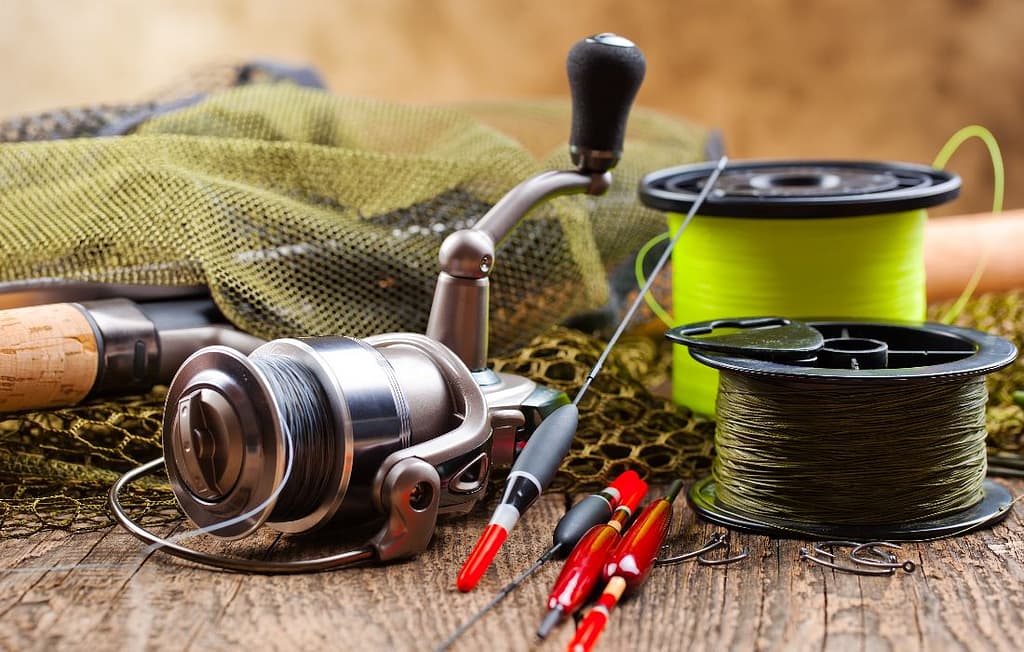
Are you tired of struggling with tangled fishing line or paying someone else to spool your reel? Learning how to put fishing line on a reel by yourself is easier than you think—and it can save you time, money, and frustration.
Imagine heading out on your next fishing trip with confidence, knowing your reel is perfectly ready to go. In this guide, you’ll discover simple, step-by-step instructions that anyone can follow. By the end, you’ll feel proud of your new skill and eager to cast your line like a pro.
Ready to get started? Let’s dive in!

Credit: www.youtube.com
Choosing The Right Fishing Line
Picking the right fishing line is important for a successful fishing trip. The line you choose affects how well you catch fish and how your reel works.
Consider the type of fishing and the fish species you are targeting. Different lines have unique features and strengths.
Types Of Fishing Lines
There are different types of fishing lines available. Each type has its own benefits and uses.
- Monofilament: Made from a single strand of material.
- Braided: Made from multiple strands woven together.
- Fluorocarbon: Nearly invisible in water.
Selecting Line Strength
Line strength, or test, is measured in pounds. It tells you how much weight the line can handle.
Choose a line strength that matches the size of the fish you expect to catch. Bigger fish need stronger lines.
Monofilament Vs. Braided Lines
Monofilament lines are stretchy and easy to handle. They are good for beginners and casual fishing.
Braided lines are strong and have no stretch. They are suitable for heavy cover fishing and catching big fish.
| Monofilament | Braided |
| Stretchy | No stretch |
| Easy to handle | Strong |
| Good for beginners | Good for big fish |

Credit: www.bdoutdoors.com
Preparing Your Reel
Putting fishing line on a reel is easier if you prepare the reel first. A clean and checked reel helps the line spool smoothly.
This section covers cleaning the reel, removing old line, and checking reel parts before adding new line.
Cleaning The Reel
Cleaning your reel removes dirt, salt, and grease. It helps the reel work well and lasts longer.
- Use a soft brush to remove dirt from the reel surface.
- Wipe the reel with a damp cloth to clean off salt or grime.
- Apply a small amount of reel oil to moving parts for smooth action.
- Let the reel dry completely before loading new line.
Removing Old Line
Old line can weaken and tangle. Remove it fully before putting on new line.
- Cut the old line near the spool.
- Pull the line off slowly to avoid damaging the reel.
- Check for any leftover pieces and clean the spool.
Checking Reel Components
Check the reel parts to avoid problems while fishing. Look for wear or damage.
| Component | What to Check | Action |
|---|---|---|
| Spool | Clean, no dents or cracks | Replace if damaged |
| Drag System | Works smoothly | Lubricate if stiff |
| Handle | Turns easily, no wobble | Tighten or repair if loose |
| Line Roller | Rolls freely | Clean or replace if stuck |
Setting Up The Reel For Spooling
Putting fishing line on a reel needs care and the right setup. You prepare the reel before spooling to avoid problems later.
This guide shows how to set up your reel for spooling step by step. Follow these simple instructions to get ready.
Attaching The Reel To The Rod
Start by fixing the reel to the fishing rod. The reel seat on the rod holds the reel tightly in place. Make sure it is secure so the reel does not move during use.
Check the reel foot fits well in the reel seat. Tighten the locking mechanism by turning the reel seat ring until the reel feels stable. Do not overtighten, or you might damage the rod or reel.
Threading The Line Through Guides
Next, take the fishing line and pass it through the rod guides. Start at the tip of the rod and work back toward the reel. Each guide helps control the line while casting and retrieving.
- Hold the line spool near the reel.
- Pass the line through each guide in order, from tip to reel.
- Make sure the line runs smoothly without twists.
- Keep a slight tension on the line as you thread it.
Securing The Line To The Spool
Now, attach the fishing line to the reel spool. Use an arbor knot to tie the line securely. This knot holds the line tight and prevents slipping during spooling.
Here is a simple way to tie the arbor knot:
- Wrap the line around the spool’s arbor.
- Tie an overhand knot around the main line.
- Make a second overhand knot at the tag end.
- Pull both knots tight against the spool.
- Trim the excess line close to the knot.
Spooling The Line Onto The Reel
Putting fishing line on a reel is an important skill for every angler. Spooling the line correctly helps avoid problems while fishing.
This guide focuses on three key parts: keeping tension, winding evenly, and stopping twists or loops.
Maintaining Proper Tension
Keeping the line tight as you spool it prevents tangles and loose coils. You can hold the line with your fingers or use a cloth to keep it steady.
Too much slack causes line loops. Too much pressure can break the line. Find a balance to protect your gear.
Winding The Line Evenly
Even winding spreads the line smoothly over the spool. This helps your reel work well and stops line bunching.
- Start by attaching the line to the spool.
- Turn the reel handle slowly.
- Guide the line with your finger to fill gaps.
- Check often to keep the line flat and tight.
Avoiding Line Twists And Loops
Line twists cause problems like knots and tangles when fishing. Watch the line as you spool to stop twists early.
| Cause | Tip to Avoid |
|---|---|
| Reeling against line tension | Keep steady tension with your hand or a cloth |
| Line not guided on spool | Use your finger to guide line evenly |
| Using old or damaged line | Replace line before spooling |
Finishing The Setup
After winding the fishing line on your reel, you need to finish the setup. This step ensures the line is ready for fishing.
Proper finishing helps avoid tangles and makes casting easier. Follow simple steps to complete the setup.
Cutting The Line
Cut the fishing line about 12 inches from the reel spool. Use sharp scissors or line cutters for a clean cut.
Make sure the cut end is smooth. This prevents the line from fraying or getting caught on the reel parts.
Tying The Leader Or Hook
Attach a leader or hook to the end of your fishing line. Use a strong knot like the improved clinch knot.
Make sure the knot is tight and neat. Wet the line before pulling the knot to reduce friction and protect the line.
- Thread the line through the hook eye
- Wrap the line around itself 5-7 times
- Pass the end through the loop near the hook eye
- Wet the knot and pull tight
Testing Line Strength And Smoothness
Check the line for any weak spots or rough areas. Pull gently to test strength and watch for uneven tension.
Spin the reel handle slowly. The line should move smoothly without catching or slipping.
- Look for frays or cuts on the line
- Feel for snags while reeling
- Make sure the drag system works properly

Credit: www.fishuntamed.com
Tips For Best Results
Putting fishing line on a reel by yourself can be easy with the right care. Taking time to do it well helps your fishing go smoothly.
Follow these tips to avoid problems and keep your fishing line in good shape. This guide covers common mistakes, line care, and when to change your line.
Avoiding Common Mistakes
Putting line on the reel wrong can cause tangles and weak spots. Watch out for these errors to get the best results.
- Tighten the line properly to avoid loose coils.
- Keep the spool level to prevent uneven winding.
- Do not overfill the reel; leave some space.
- Check the line direction matches the reel’s spool.
- Use the right line type for your reel and fishing style.
Line Maintenance And Storage
Taking care of your fishing line extends its life and keeps it strong. Store it correctly and check it often for damage.
| Maintenance Task | How to Do It |
|---|---|
| Cleaning | Wipe line with a damp cloth after fishing |
| Drying | Let line dry fully before storage |
| Storage | Keep line in a cool, dark place away from sunlight |
| Inspecting | Look for cracks or frays before each use |
When To Replace Your Fishing Line
Old or damaged line can break easily and lose strength. Replace your line if you notice these signs.
- Line has deep cuts or frays.
- Line feels stiff or brittle.
- Frequent tangling or knots form.
- Line color fades from sun damage.
- You have used the line for many fishing trips.
Frequently Asked Questions
How Do I Choose The Right Fishing Line For My Reel?
Choose a fishing line based on your target fish and reel type. Consider line strength, material, and thickness for optimal performance.
What Tools Do I Need To Put Line On A Reel?
You need fishing line, scissors, and optionally a line spooler. These tools help ensure a smooth and secure line setup.
How Tight Should I Wind The Fishing Line On The Reel?
Wind the line tightly but avoid over-tightening. Proper tension prevents line tangles and ensures smooth casting and retrieval.
Can I Put Fishing Line On A Reel Without Help?
Yes, you can spool fishing line on a reel by yourself. Follow step-by-step instructions to avoid twists and tangles.
Conclusion
Putting fishing line on a reel by yourself is easier than you think. Follow each step slowly and carefully. Take your time to avoid tangles and mistakes. Practice a few times to build confidence. Soon, you will do it quickly and correctly.
This skill saves money and makes fishing more fun. Enjoy the process and get ready for your next fishing trip!