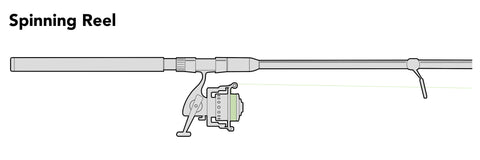
Are you ready to get your fishing gear set up but unsure how to put fishing line on a rod and reel? You’re not alone.
This simple step is key to a successful day on the water, yet many anglers struggle with it. Imagine casting smoothly, with your line gliding perfectly every time. By mastering this skill, you’ll save time, avoid frustrating tangles, and enjoy fishing more than ever.
Keep reading, and you’ll learn an easy, step-by-step method to get your line on right the first time. Your next great catch is just a few twists away!
Credit: monsterbass.com
Choosing The Right Line
Putting fishing line on a rod and reel starts with choosing the right line. The right line helps you catch fish easier and avoid problems.
Fishing lines come in many types and strengths. You also need to think about the water where you fish.
Types Of Fishing Line
There are three main types of fishing lines: monofilament, fluorocarbon, and braided. Each type works best in different situations.
- Monofilament:Good for beginners, stretchy, and easy to handle.
- Fluorocarbon:Hard to see in water and sinks faster.
- Braided:Very strong and thin, with little stretch.
Selecting Line Strength
Line strength is called “pound test.” It shows how much weight the line can hold before breaking.
Choose the line strength based on the fish you want to catch. Stronger fish need higher pound test lines.
- Light fish: 2 to 6 pounds
- Medium fish: 8 to 15 pounds
- Heavy fish: 20 pounds or more
Considering Water Conditions
Water type affects your line choice. Clear water needs thinner, less visible lines. Murky water lets you use thicker lines.
Also, think about obstacles like weeds or rocks. Stronger or braided lines work better in tough water.
- Clear water: Fluorocarbon or thin monofilament
- Murky water: Monofilament or braided line
- Heavy cover: Braided line for strength
Preparing The Reel
Putting fishing line on a rod and reel starts with preparing the reel properly. You must clean and check the parts of the reel before loading the line.
This preparation helps the reel work smoothly and lasts longer. Follow these steps to get your reel ready.
Cleaning The Reel
Clean the reel by wiping off dirt, dust, and old grease. Use a soft cloth and mild soap if needed. Avoid harsh chemicals that can damage the reel.
Cleaning helps prevent line tangles and keeps the reel spinning freely.
Checking The Spool
Look at the spool to make sure it is in good condition. The spool should be free from cracks and dents. If damaged, replace it to avoid line problems.
- Inspect the spool surface for scratches
- Check that the spool fits tightly on the reel
- Verify the spool size matches your fishing needs
- Make sure the drag system works smoothly
Opening The Bail
Open the bail arm carefully before putting the line on the reel. The bail controls the line flow during casting and retrieval.
Follow these tips:
- Flip the bail arm up to open it
- Make sure it locks firmly when closed
- Check for smooth movement without resistance
Attaching The Line
Attaching the fishing line correctly to your rod and reel is important for a smooth fishing experience. This guide explains how to tie the arbor knot and secure the line to the spool.
Follow these clear steps to ensure the line stays strong and ready for use.
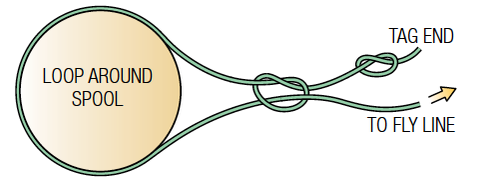
Tying The Arbor Knot
The arbor knot holds the fishing line firmly to the reel spool. It is simple and strong, making it perfect for this task.
- Wrap the line around the spool.
- Tie an overhand knot around the standing line.
- Make a second overhand knot at the tag end.
- Pull both knots tight against the spool.
- Trim the extra line close to the knot.
Securing The Line To Spool
After tying the knot, it is important to secure the line on the spool correctly. This prevents tangles and ensures smooth casting.
| Action | Details |
| Attach line to spool | Use the arbor knot to fasten the line tightly |
| Wind line evenly | Keep tension and wrap the line neatly around the spool |
| Fill spool properly | Leave about 1/8 inch of space from the spool edge |
| Check line tension | Ensure the line is firm but not too tight |

Credit: www.youtube.com
Spooling The Line
Spooling the fishing line onto a rod and reel is key for a smooth fishing experience. Proper spooling helps avoid tangles and line damage.
Focus on keeping tension and loading the spool correctly to prevent problems on the water.
Maintaining Line Tension
Keep steady tension on the line as you spool it. This stops the line from winding loosely and causing loops or knots.
- Hold the line tight between your fingers
- Ask a partner to hold the spool if needed
- Keep the spool flat and aligned with the reel
- Reel slowly to maintain control over the line
Filling The Spool Correctly
Fill the spool evenly, stopping before it reaches the edge. Overfilling causes line to tangle or slip off during casts.
| Spool Filling Tips | Details |
|---|---|
| Fill Level | Leave 1/8 inch of space from the spool edge |
| Even Layering | Wind the line evenly across the spool width |
| Check Line Type | Monofilament needs slightly looser fill than braid |
Avoiding Line Twist
Line twist causes tangles and reduces casting distance. Avoid it by spooling the line in the correct direction.
Tips to avoid line twist:
- Match the line direction with the reel’s spool rotation
- Use a swivel to connect the main line and leader
- Let the line flow off the spool under light tension
- Check for twists by letting the line hang freely before spooling
Threading The Line Through Guides
Threading the fishing line through the guides is an important part of preparing your rod and reel. It ensures the line flows smoothly during casting and reeling.
Doing this right helps avoid tangles and improves your fishing experience. Focus on each guide carefully as you thread the line.
Starting From The Tip
Begin threading the line from the tip of the rod. This is the smallest guide at the very end of the rod.
Insert the line through this guide first to keep it tight and aligned as you move down the rod.
- Hold the rod steady with one hand.
- Use your other hand to push the line through the tip guide.
- Pull enough line through to reach the next guide.
Ensuring Smooth Passage
Pass the line carefully through each guide in order. This prevents snags and keeps the line tight.
Make sure the line moves smoothly without catching on any rough spots inside the guides.
- Check each guide for dirt or damage before threading.
- Use a soft cloth to clean guides if needed.
- Pull the line gently through each guide to avoid fraying.
Final Checks And Adjustments
After you put the fishing line on your rod and reel, check everything carefully. These last steps help prevent problems while fishing.
Make small adjustments to make sure the line works well. This keeps your gear ready for the next fishing trip.
Testing The Drag System
The drag system controls how the line pulls when a fish is on. Test it to avoid line breaks or losing fish.
Turn the drag knob and pull the line by hand. It should let out line smoothly without too much force.
- Turn the drag knob clockwise to tighten
- Turn counterclockwise to loosen
- Test with moderate pressure on the line
- Adjust until the line pulls smoothly under tension
Trimming Excess Line
Cut off any extra fishing line from the spool. Too much line can cause tangles and casting problems.
Leave a small amount of line beyond the rod tip. This helps avoid slipping during casting.
- Use sharp scissors or line cutters
- Cut about 1/8 inch past the rod tip guide
- Check for loose ends that might catch on guides
Storing The Rod And Reel
Store your rod and reel properly to keep them in good shape. Avoid damage and line wear by storing right.
Keep the rod straight and reel in a dry place. Cover the reel to stop dust and dirt from getting inside.
- Loosen the drag to prevent spring damage
- Store rod horizontally or in a rod rack
- Keep reel covered with a protective case
- Store in a cool, dry area away from sunlight
Credit: windrider.com
Frequently Asked Questions
How Do I Choose The Right Fishing Line For My Reel?
Select fishing line based on your target fish and reel type. Consider strength, thickness, and material like monofilament or braided lines for best results.
What Is The Correct Way To Thread Fishing Line On A Reel?
Thread the line through the rod guides starting at the tip. Tie the line securely to the reel spool before winding it evenly.
How Much Fishing Line Should I Put On My Reel?
Fill the reel spool to about 1/8 inch below the edge. This prevents line slippage and ensures smooth casting and retrieval.
How Do I Avoid Line Tangles When Spooling A Reel?
Keep tension on the line while winding it onto the spool. Avoid overfilling and use a line conditioner to reduce memory and tangles.
Conclusion
Putting fishing line on a rod and reel is simple with practice. Follow the steps carefully, and take your time. Check the line for any twists or knots. Make sure the line is tight and secure on the reel. This helps your fishing gear work better and last longer.
Soon, you will enjoy fishing more with confidence. Keep practicing, and you will get faster and better. Enjoy your fishing trips with properly set up equipment.