Getting your fishing line properly on an open face reel might seem tricky at first, but once you know the right steps, it becomes quick and easy. If you want to avoid tangles, wasted line, and missed catches, this guide is for you.
You’ll learn exactly how to load your reel like a pro, saving you time and frustration on your next fishing trip. Keep reading, and you’ll be ready to cast with confidence every time.
Choosing The Right Line
Picking the right fishing line is key to a good fishing experience. The line must fit your reel and the fish you want to catch.
Using the correct line helps you cast better and avoid breaking your line during a catch.
Types Of Fishing Lines
There are three main types of fishing lines: monofilament, fluorocarbon, and braided line. Each has different features for different fishing needs.
Monofilament is soft and easy to use. Fluorocarbon is less visible underwater. Braided line is very strong and thin.
- Monofilament:Good for beginners, stretches under pressure.
- Fluorocarbon:Hard to see in water, sinks faster.
- Braided:Very strong, no stretch, thin diameter.
Line Strength And Diameter
Line strength is how much weight the line can hold before breaking. Diameter is the thickness of the line. Both affect your fishing success.
Stronger lines hold bigger fish but are thicker and less sensitive. Thinner lines are less visible but may break easier.
| Line Strength (lbs) | Diameter (inches) | Use |
|---|---|---|
| 4-8 | 0.012-0.018 | Small fish, light tackle |
| 10-20 | 0.018-0.025 | Medium fish, general use |
| 25-50+ | 0.030+ | Large fish, heavy tackle |
Matching Line To Fish Species
Choose your line based on the fish species you want to catch. Bigger fish need stronger line to avoid breaks.
Light lines work for small fish in clear water. Use heavier lines for big fish or fishing in rough areas.
- Small fish like panfish: 4-8 lb test line
- Medium fish like bass or trout: 10-20 lb test line
- Large fish like pike or catfish: 25-50+ lb test line

Credit: mysterytacklebox.com
Preparing The Reel
Putting fishing line on an open face reel needs some prep work. Preparing the reel helps the line spool smoothly.
This guide covers cleaning the spool, checking the drag system, and setting the reel for spooling.
Cleaning The Spool
Clean the spool to remove dirt and old line fragments. A clean spool keeps the line from tangling.
Use a soft cloth to wipe the spool and a small brush to clear tight spots.
- Remove any dust or sand
- Check for rust or corrosion
- Dry the spool completely before use
Checking The Drag System
Test the drag system to ensure it works well. The drag controls how much force the fish feels.
Turn the drag knob and feel the resistance. Adjust it to match your fishing needs.
- Turn the drag knob clockwise to tighten
- Turn it counterclockwise to loosen
- Make sure it moves smoothly without sticking
Setting The Reel For Spooling
Set the reel correctly before adding new line. This helps the line wind evenly on the spool.
Open the bail arm and secure the line to the spool. Keep tension on the line while you spool.
- Check the spool size for the line weight
- Attach the line to the spool with a knot
- Close the bail arm to start spooling
- Hold the line tight but do not stretch it
Spooling Techniques
Putting fishing line on an open face reel needs care and focus. Good spooling prevents tangles and line damage. Follow these tips to spool your reel the right way.
This guide covers how to attach the line, keep tension, and wind the line evenly on the spool.
Attaching The Line To The Spool
Start by threading the line through the rod guides. Then, tie the line securely to the spool using an arbor knot. Make sure the knot is tight to avoid slipping.
- Pass the line around the spool.
- Tie a simple overhand knot around the main line.
- Tighten the knot firmly against the spool.
- Trim excess line close to the knot.
Maintaining Line Tension
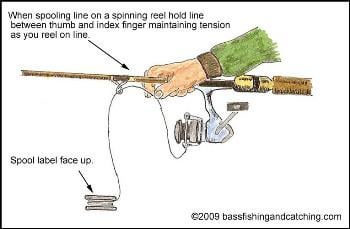
Keep the line tight while spooling. This stops loose loops and tangles. Use your fingers or a cloth to hold the line with steady pressure as it winds.
Tips for maintaining line tension:
- Hold the line between thumb and forefinger.
- Keep firm but gentle pressure.
- Do not let the line slack at any time.
- Ask a friend to help if needed.
Winding The Line Evenly
Wind the line evenly across the spool to avoid bunching. This helps the line release smoothly when casting. Use your hand to guide the line side to side while turning the reel handle.
| Common Problem | How to Fix |
| Line bunches on one side | Move line side to side evenly during winding |
| Line twists | Check that the line spool spins freely on the spool holder |
| Line too loose | Maintain steady tension with fingers or cloth |

Credit: www.youtube.com
Avoiding Common Mistakes
Putting fishing line on an open face reel may seem simple. Yet, many anglers make mistakes that cause problems later.
Some errors lead to line tangles, damage, or poor casting. This guide helps you avoid common issues for a smooth fishing experience.
Preventing Line Twist
Line twist causes tangles and weak spots. It happens when the line spins as it leaves the reel. To prevent this, spool the line correctly and keep tension steady.
- Attach the line to the spool securely.
- Keep the line tight while winding it on the reel.
- Make sure the line flows off the filler spool in the same direction as the reel spool.
- Avoid letting the line loop or slack during spooling.
Avoiding Overfilling
Overfilling the spool causes line to catch on the reel edges. This leads to tangles and casting problems. Fill the spool just below the rim.
| Spool Size | Fill Level |
| Small | 1/8 inch below rim |
| Medium | 1/4 inch below rim |
| Large | 3/8 inch below rim |
Handling Line Overlaps
Line overlaps create uneven layers on the spool. This causes snags and weak spots. Smoothly guide the line back and forth as you spool it.
Follow these tips to handle line overlaps:
- Use your finger to keep the line tight and even.
- Move the line guide slowly across the spool width.
- Check often for overlaps or bunches and correct them immediately.
- Do not rush spooling; take your time for a neat line lay.
Final Adjustments
After putting fishing line on an open face reel, you need to make some final checks. These help your reel work well and last longer.
Pay close attention to trimming the line, checking casting smoothness, and storing the reel properly.
Trimming The Line
Cut the fishing line so it is even with the edge of the spool. Avoid leaving too much extra line. This prevents tangles and line breakage.
- Use sharp scissors or a line cutter.
- Leave about 1/8 inch of line beyond the spool edge.
- Check for any frayed or weak spots and trim them off.
Checking For Smooth Casting
Test the reel to see if the line comes off smoothly. This shows if the line is wound correctly and not too tight or loose.
| Test Action | What to Check |
| Cast the line gently | Line should flow freely without jerks |
| Reel the line back in | Line should wind evenly on the spool |
| Listen to the drag | Drag should adjust smoothly without noise |
Storing The Reel Properly
Store your reel in a dry and cool place. Proper storage protects the line and reel parts from damage and rust.
- Loosen the drag to reduce pressure on internal parts.
- Keep the reel covered or in a case to avoid dust.
- Store away from direct sunlight and moisture.
- Check the line regularly for wear and replace if needed.
Expert Tips For Longevity
Putting fishing line on an open face reel is simple but needs care for lasting use. Proper handling and upkeep keep your gear ready for many fishing trips.
These tips will help your fishing line stay strong and your reel work smoothly over time. Follow these expert steps for the best results.
Regular Maintenance
Clean your reel after every use. Remove dirt and salt with fresh water. Dry it fully before storing. Check the drag system and gears for smooth movement.
- Wipe the reel with a soft cloth
- Lubricate moving parts lightly
- Store in a cool, dry place
- Check line guides for damage
Replacing Old Line
Old fishing line can weaken and cause breaks. Replace it regularly to avoid losing fish. Look for signs like discoloration, cracks, or stiffness.
| Sign | What It Means |
| Discoloration | Sun damage or wear |
| Cracks | Line is brittle and weak |
| Stiffness | Line lost flexibility |
| Memory loops | Line may tangle easily |
Using Quality Accessories
Good accessories protect your line and reel. Use quality swivels, snaps, and leaders. They reduce friction and prevent line twists.
- Match accessory strength to your line
- Use corrosion-resistant materials
- Check for smooth edges on snaps and swivels
- Replace accessories if damaged

Credit: www.reddit.com
Frequently Asked Questions
How Do You Start Threading An Open Face Reel?
Begin by attaching the fishing line to the spool with a secure knot. Hold the line tight and start winding evenly onto the spool. Ensure the line lies flat and avoid overlaps for smooth casting.
What Type Of Fishing Line Suits Open Face Reels?
Monofilament and braided lines work best with open face reels. Choose based on your fishing needs and water conditions. Monofilament offers stretch, while braided lines provide strength and sensitivity.
How Much Fishing Line Should I Put On The Reel?
Fill the spool leaving about 1/8 inch from the spool’s edge. Overfilling can cause tangles, while underfilling limits casting distance. Proper fill ensures optimal performance and fewer line issues.
How To Avoid Line Twists On Open Face Reels?
Keep tension steady while winding the line onto the spool. Use a swivel to reduce twists during casting. Check the line regularly and remove any tangles or loops.
Conclusion
Putting fishing line on an open face reel is simple and quick. Follow each step carefully for the best results. Take your time to avoid tangles and knots. Check the line tension often as you spool it. Practice helps you get smoother and faster.
Soon, you will enjoy fishing without worrying about your reel. Keep your gear ready and have fun on the water. Fishing becomes more relaxing when your reel works well. Try it today and see the difference yourself.