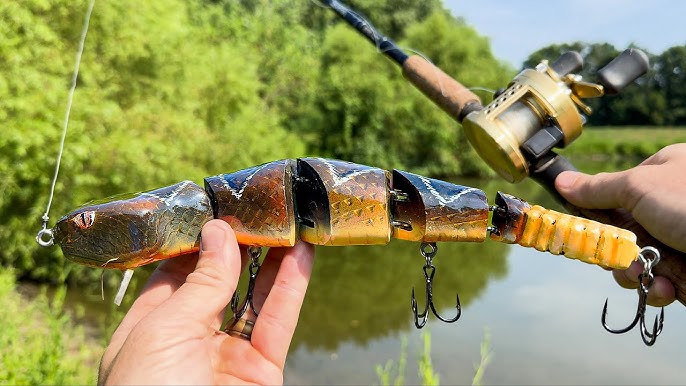
If you love fishing, knowing how to put fishing line on an open face reel is a skill you don’t want to miss. Getting it right means smoother casts, fewer tangles, and more time catching fish instead of fixing your gear.
Whether you’re new to fishing or just need a refresher, this guide will walk you through each simple step. By the end, you’ll feel confident and ready to tackle your next fishing trip like a pro. Keep reading to learn the easy way to set up your reel and improve your fishing experience.
Choosing The Right Line
Choosing the right fishing line is important for your success. It helps you catch fish and prevents line breaks.
Different lines work best for different fishing needs. Knowing which line to use makes your fishing easier.
Types Of Fishing Line
There are three main types of fishing lines: monofilament, fluorocarbon, and braided. Each type has its strengths and uses.
Monofilament is stretchy and good for beginners. Fluorocarbon is harder to see in water. Braided lines are very strong and thin.
- Monofilament: flexible and cheap
- Fluorocarbon: nearly invisible underwater
- Braided: strong and thin
Line Strength And Thickness
Line strength is measured in pounds. It shows how much weight the line can hold before breaking.
Thicker lines are stronger but harder to cast. Thinner lines cast farther but may break easily.
- Choose strength based on the size of fish
- Use thinner lines for better casting distance
- Pick thicker lines for heavy or large fish
Selecting Based On Fish Species
Different fish need different line types and strengths. Small fish need lighter lines. Big fish need stronger lines.
Check the fish size and strength before picking your line. This helps avoid losing fish or breaking your line.
- Small fish: light monofilament or fluorocarbon line
- Medium fish: medium strength braided or monofilament
- Large fish: heavy braided line with high strength
Preparing The Reel
Putting fishing line on an open face reel starts with preparing the reel. A clean and well-checked reel helps the line load smoothly.
Taking time to prepare the reel improves your fishing experience. Follow these steps before adding new line.
Cleaning The Reel
Remove dirt, dust, and old line from the reel. Use a soft cloth and mild cleaner to wipe the reel surface.
Clean the spool and other parts carefully. This prevents damage and keeps the reel working well.
Opening The Spool
Find the spool release knob or button. Turn or press it to open the spool carefully.
Take out the old line if it is still on the spool. Make sure the spool is free before adding new line.
Checking Reel Components
Check the reel parts for damage or wear. Look at the bail, drag system, and line guide.
- Ensure the bail moves smoothly
- Test the drag knob for proper function
- Inspect the line guide for cracks or dirt
Attaching The Line
Attaching the fishing line to an open face reel is a key step for smooth fishing. This process involves threading the line, tying it to the spool, and securing the knot well.
Following these steps carefully will help you avoid tangles and ensure the line holds firmly during your fishing trips.
Threading The Line Through Guides
Start by pulling the line from the spool. Pass it through each guide on the fishing rod, starting from the tip and moving toward the reel. This helps the line flow smoothly when casting.
Tying The Line To The Spool
After threading, tie the line securely to the reel’s spool. Use a strong knot that will not slip. The Arbor knot is a common choice for this task.
- Wrap the line around the spool.
- Tie an overhand knot around the main line.
- Make a second overhand knot at the tag end.
- Pull both knots tight against the spool.
- Trim the excess line close to the knot.
Securing The Knot
| Action | Reason |
|---|---|
| Wet the knot before tightening | Reduces friction and prevents line damage |
| Pull the knot tight | Ensures it will not slip |
| Check the knot firmness | Confirms security before use |

Credit: www.bdoutdoors.com
Spooling The Line
Putting fishing line on an open face reel is important. It ensures smooth casting and reeling. Let’s explore how to do it right.
Following these steps helps maintain your fishing gear. Proper spooling prevents tangles and improves your fishing experience.
Maintaining Proper Tension
Keep the line tight while spooling. Proper tension stops loose loops. Loose loops cause tangles and knots.
Hold the line with your fingers. This adds the right tension. Make sure it stays even.
- Keep a firm grip on the line
- Ensure no slack while winding
- Check the tension regularly
Winding The Line Evenly
Wind the line evenly across the reel. This helps in smooth casting. Uneven winding causes problems.
Move the line back and forth as you spool. This keeps the distribution even. Make sure the line does not pile up.
- Spread the line from side to side
- Adjust your speed for even coverage
- Avoid gaps between line layers
Avoiding Line Twist
Line twist can ruin your fishing trip. It makes casting difficult. Avoiding it is simple.
Ensure the spool of line is facing the reel. This reduces twist. Watch the line as you spool it.
- Align the line spool with your reel
- Check for twists while spooling
- Use a swivel to reduce twist
Final Checks
After loading your fishing line onto the open face reel, it is important to perform final checks. These checks ensure your reel works smoothly and your line is ready for fishing.
Follow these steps carefully to avoid problems while fishing and to keep your gear in good condition.
Trimming Excess Line
Cut off any extra fishing line that extends beyond the reel spool. Leaving too much line can cause tangles or snags during casting.
- Use sharp scissors or a line clipper for a clean cut.
- Leave a small tail of about 1/8 inch to avoid slipping.
- Secure the line end by tying it to the reel’s line keeper if available.
Testing The Reel Function
Check the reel’s smooth operation before you start fishing. This helps spot any issues early.
| Test | What to Check | Action If Problem |
| Spool Rotation | Spool turns smoothly when line is pulled | Clean or lubricate the reel |
| Handle Turn | Handle moves freely without sticking | Tighten or loosen handle nuts |
| Line Release | Line flows off spool without resistance | Check for line twists or snags |
Adjusting Drag Settings
Set the drag correctly to protect your line and reel from breaking under fish tension.
- Turn the drag knob clockwise to increase resistance.
- Turn it counterclockwise to decrease resistance.
- Test drag by pulling line manually to feel the tension.
- Adjust until it is firm but allows line to pull out smoothly.

Credit: www.youtube.com
Tips For Longevity
Putting fishing line on an open face reel takes care and attention. Keeping the line in good shape helps it last longer. This guide shares tips to keep your line strong and ready.
Following simple steps helps prevent damage and wear. This saves money and improves your fishing experience.
Line Maintenance
Regular maintenance keeps your fishing line smooth and strong. Clean the line after each fishing trip to remove dirt and salt.
- Wipe the line with a damp cloth to remove debris
- Check for knots or frays and cut damaged parts
- Use line conditioner to reduce friction and wear
- Avoid dragging the line over sharp edges
Storage Recommendations
Proper storage protects your fishing line from sunlight and moisture. Store your reel in a cool, dry place to avoid line damage.
- Keep the reel covered to block dust and dirt
- Avoid exposing the line to direct sunlight for long periods
- Remove the line from the reel if storing for months
- Use a sealed container to protect from humidity
When To Replace The Line
Replacing your fishing line at the right time prevents breaks and lost fish. Check the line often for signs of wear or damage.
- Replace the line if it shows fraying or cracks
- Change the line after a heavy catch or snag
- Swap the line yearly if you fish often
- Use fresh line if it feels stiff or brittle

Credit: www.youtube.com
Frequently Asked Questions
How Do I Spool Fishing Line On An Open Face Reel?
To spool line, first attach the reel to your rod. Tie the line to the spool, then wind it evenly. Keep tension on the line to avoid tangles. Fill the spool about ¾ full for optimal casting and to prevent line damage.
What Type Of Fishing Line Suits Open Face Reels?
Monofilament and braided lines work best for open face reels. Choose based on your fishing needs; monofilament is versatile, while braided offers strength. Match the line strength to your target fish species for efficient fishing and reel performance.
How Much Fishing Line Should I Put On The Reel?
Fill the spool about 75% full to prevent tangles and line damage. Overfilling can cause line to slip off during casting. Underfilling reduces casting distance and control. Proper filling enhances reel performance and durability.
How Do I Avoid Line Tangles On Open Face Reels?
Maintain steady tension while spooling to keep line tight and even. Avoid overfilling the spool. Use quality line and ensure the reel is clean. Proper technique and maintenance reduce the risk of tangles and improve casting.
Conclusion
Putting fishing line on an open face reel is simple with practice. Take your time and follow each step carefully. This helps your line stay strong and last longer. Check the line for twists and knots as you go. Keep your reel clean and ready for your next fishing trip.
Soon, you will feel more confident and enjoy fishing even more. Just remember, patience makes the process easier and more fun.