Are you tired of your fishing line slipping or tangling when you cast? Knowing how to put fishing line on your reel properly can make all the difference between a frustrating day and a successful catch.
Whether you’re a beginner or just need a quick refresher, this guide will walk you through simple, step-by-step instructions to get your reel ready fast. Keep reading to discover easy tips that will save you time and help you fish like a pro every time you hit the water.
Credit: monsterbass.com
Choose The Right Line
Choosing the right fishing line is important for a good fishing experience. The line affects how well you can catch fish and how long your gear lasts.
Different fishing situations need different types of lines. You must consider the type, strength, and diameter of the line before putting it on your reel.
Types Of Fishing Line
There are three main types of fishing lines: monofilament, fluorocarbon, and braided. Each type has special features that suit different fishing needs.
- Monofilament:Flexible and easy to handle. Good for beginners.
- Fluorocarbon:Less visible underwater. Great for clear water fishing.
- Braided:Strong and thin. Best for heavy cover and long casts.
Selecting Line Strength
Line strength is called “pound test.” It tells how much weight the line can hold before breaking. Choose a strength that fits the fish you want to catch.
Use lighter lines for small fish and heavier lines for big fish. Too strong a line can make fishing harder and scare fish away.
- Light strength (2-6 lb): Best for small fish like trout and panfish.
- Medium strength (8-15 lb): Good for bass and walleye.
- Heavy strength (20+ lb): Used for big fish like catfish and pike.
Consider Line Diameter
Line diameter affects how much line fits on your reel and how the line moves in water. Thinner lines cast farther and are less visible.
Thicker lines are stronger but take up more space on the reel. Choose the right diameter to balance strength and line capacity.
- Thin diameter: Helps with longer casts and less water resistance.
- Thick diameter: Adds strength and durability, good for rough conditions.
- Match diameter with reel size for best performance.
Credit: www.epicflyrods.com
Prepare Your Reel
Putting fishing line on your reel starts with good preparation. This makes sure your reel works well and your line stays strong.
Taking care of your reel before adding line helps you fish better and avoid problems later.
Clean The Spool
Remove old line and dirt from the spool. A clean spool helps the new line wrap evenly.
Use a soft cloth or brush to wipe the spool. Avoid harsh chemicals that can damage it.
Check Reel Condition
Look over the reel parts for damage or rust. Make sure the handle turns smoothly.
Fix or replace broken parts before adding new line. This stops problems while fishing.
- Inspect the bail arm for smooth movement
- Check the spool lip for cracks or chips
- Test the reel handle and gears for smoothness
Adjust Drag Settings
Set the drag to a light level before spooling line. This protects the line from breaking.
Adjust the drag after the line is on to match your fishing needs.
Attach The Line
Attaching a fishing line to your reel is an essential skill. This process ensures your line is secure when casting and reeling in fish. Follow these steps to attach the line properly.
Threading The Line
First, open the bail of the reel. This allows you to thread the line onto the spool. Pull about 12 inches of line off the spool to get started.
Next, insert the line through the rod guides. Start from the top guide and work your way down to the reel. This helps the line flow smoothly when casting.
Tie The Arbor Knot
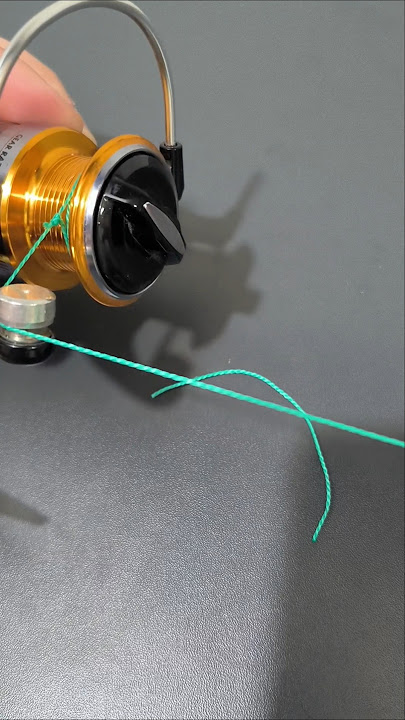
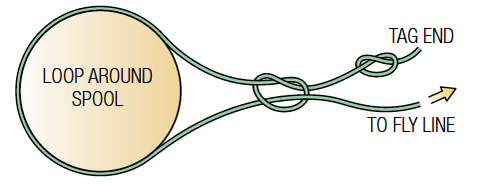
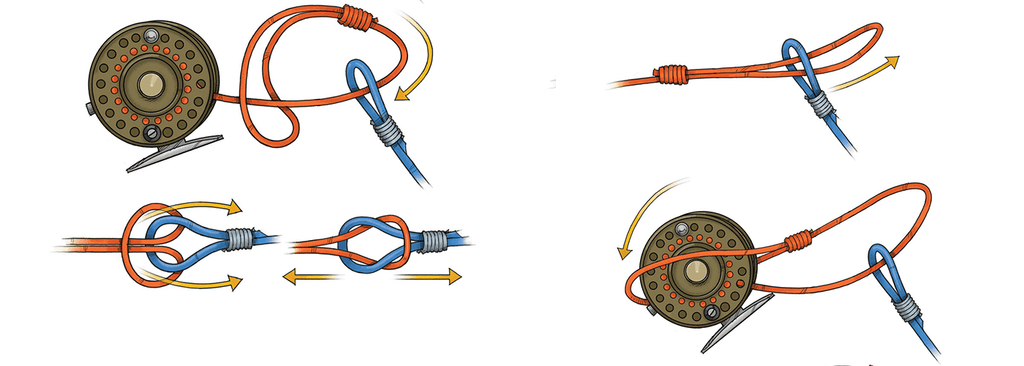
An arbor knot secures the line to the reel spool. To tie this knot, wrap the line around the spool. Then, make a simple overhand knot around the main line.
Tighten the knot by pulling the line. Ensure the knot is snug against the spool. Cut any excess line to keep things neat.
Secure The Line Properly
Close the bail arm to secure the line. Hold the line tight with one hand. Slowly turn the reel handle to wind the line onto the spool.
Keep tension on the line as you reel it in. This prevents tangles and ensures even winding on the spool. Now, your line is securely attached and ready for fishing.
Spool The Line
Putting fishing line on a reel is an important skill for anglers. The right spooling helps your line last longer and cast better. This guide covers how to spool the line correctly.
Focus on keeping tension, filling the spool evenly, and avoiding line twists. These steps improve your fishing experience.
Maintain Proper Tension
Keeping the right tension while spooling prevents loose line on the reel. Loose line can cause tangles and reduce casting distance.
- Hold the line spool firmly between your fingers.
- Apply gentle pressure as you feed the line onto the reel.
- Ask a partner to hold the line spool tight if needed.
- Keep the line tight but do not stretch it.
Fill The Spool Evenly
Evenly filling the spool helps the line come off smoothly during casting. Uneven spooling can cause knots and reduce reel performance.
| Tip | Description |
| Start | Attach the line to the spool securely before spooling. |
| Guide | Use the rod guides to direct the line evenly onto the reel. |
| Move | Slowly move the line back and forth to fill gaps on the spool. |
| Check | Stop often to check the line’s placement and adjust if needed. |
Avoid Line Twists
Line twists cause tangles and weak spots. Avoid them to keep your line strong and smooth.
- Uncoil the line before spooling to remove twists.
- Make sure the line spool rotates the same way as the reel spool.
- Use swivel attachments on your lure or rig to reduce twists.
- Stop spooling if you see loops or tangles forming.
Finish Up
After loading your fishing line onto the reel, it is important to complete the setup properly. This ensures your gear works well and lasts longer.
Follow these final steps to secure the line, check your setup, and store your rod safely.
Cut Excess Line
Once the line is on the reel, you will have some extra line beyond the spool. Cut this excess line close to the reel.
Use sharp scissors or line cutters for a clean cut. Leaving too much line can cause tangles and snags.
Test The Line Setup
Pull some line off the reel to make sure it moves smoothly. Check that the line is tight and not twisted.
Turn the reel handle and watch the line spool evenly. Adjust the drag if needed for better control.
- Pull line gently to check tension
- Spin reel handle to watch line lay
- Adjust drag knob for smooth resistance
Store The Rod Safely
After finishing the line setup, store your fishing rod carefully to avoid damage. Keep it in a dry place away from direct sunlight.
Use a rod holder or rack to keep the rod straight. This helps keep the line and reel in good condition.
- Keep rod away from heat and moisture
- Use rod holders or racks for storage
- Loosen drag to protect reel parts

Credit: www.youtube.com
Frequently Asked Questions
How Do I Prepare My Reel Before Spooling Line?
First, clean the reel to remove dirt and old line. Next, check the reel’s drag system for smooth operation. Finally, secure the reel firmly on your rod before starting to spool the new line.
What Type Of Fishing Line Is Best For Reels?
Monofilament is versatile and easy to handle, ideal for beginners. Braided line offers strength and sensitivity for experienced anglers. Choose based on your fishing style and reel type for optimal performance.
How Much Fishing Line Should I Put On The Reel?
Fill the spool to about 1/8 inch below the reel’s lip. This prevents overfilling and reduces line tangles. Proper line level ensures smooth casting and fewer snags during fishing.
How Do I Prevent Line Twists While Spooling?
Use a line conditioner or let the spool hang freely while winding. Maintain steady tension to avoid slack. Proper technique minimizes line twists and improves casting distance.
Conclusion
Putting fishing line on a reel is a simple task anyone can do. Take your time, follow each step carefully, and avoid common mistakes. A well-spooled reel helps your fishing line last longer and work better. Practice a few times to feel confident before fishing.
Enjoy your time by the water, knowing your gear is ready. Keep your reel clean and check the line often. This small effort can improve your fishing experience a lot. Try it today and see the difference yourself.