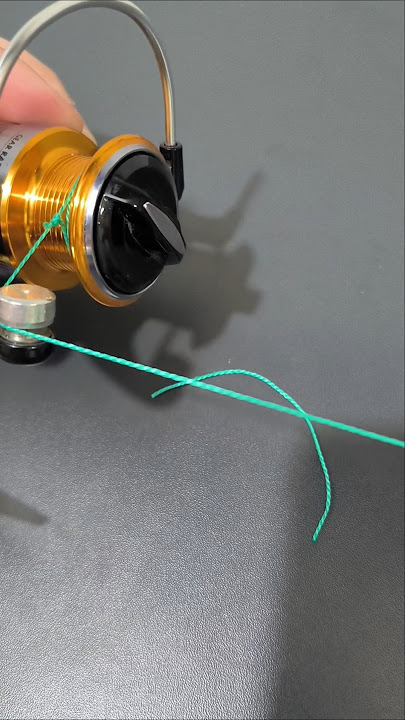
If you love fishing, you know how important it is to have your reel ready to go. But putting fishing line on your reel can feel tricky if you’ve never done it before.
Don’t worry—this guide will walk you through each simple step. By the end, you’ll have your reel set up perfectly, so you can focus on catching more fish. Keep reading to learn how to make this easy task quick and hassle-free.
Choosing The Right Fishing Line
Picking the right fishing line is key to a good fishing experience. The line affects how you cast, catch, and fight fish.
Different types of lines fit different fishing styles and conditions. Knowing what to choose helps you fish better and avoid problems.
Types Of Fishing Lines
There are three main types of fishing lines. Each has its own features and uses. Choosing the right type depends on your fishing needs.
- Monofilament:This line is stretchy and easy to handle. It works well for beginners and general fishing.
- Fluorocarbon:It is nearly invisible underwater. Good for clear water and shy fish.
- Braid:Strong and thin, braid casts far and resists breaking. Best for heavy cover or deep water fishing.
Selecting Line Strength
Line strength is shown by its pound test. This tells how much weight the line can hold before breaking. Choose strength based on the fish you want to catch.
| Fish Type | Recommended Line Strength (lb) |
| Small Panfish | 2-6 |
| Trout and Bass | 6-12 |
| Catfish and Pike | 12-20 |
| Large Saltwater Fish | 20+ |
Considering Line Material
Line material affects durability, stretch, and visibility. Each material suits different fishing styles and water types.
Material Characteristics:
- Monofilament:Stretchy, floats, cheap, and good for beginners.
- Fluorocarbon:Sinks, less visible, and resists abrasion well.
- Braid:No stretch, very strong, and lasts long.
Credit: www.epicflyrods.com
Preparing The Reel
Before putting fishing line on your reel, you need to prepare the reel properly. This makes the process easier and helps your reel work well.
Cleaning the reel, opening the spool, and attaching the reel to the rod are important steps. Each step helps you get ready to spool the line correctly.
Cleaning The Reel
Start by cleaning your reel to remove dirt and salt. Use a soft cloth and warm water. Dry it well before you continue.
- Wipe off dust and grime
- Use mild soap if needed
- Rinse with fresh water
- Dry completely with a towel
Opening The Spool
Next, open the spool where the line will go. This lets you add new fishing line easily. Check the reel type to unlock or remove the spool.
| Reel Type | How to Open Spool |
| Spinning Reel | Unscrew the drag knob on top |
| Baitcasting Reel | Press button or release latch |
| Spincast Reel | Pull off cover or unscrew cap |
Attaching The Reel To The Rod
Attach your reel tightly to the rod’s reel seat. This keeps the reel steady while fishing. Make sure it fits well and does not move.
- Slide reel foot into reel seat
- Tighten locking nut or screw firmly
- Check for any wobble or looseness
- Adjust until reel feels secure
Attaching The Line To The Spool
Putting fishing line on a reel starts with attaching the line to the spool. This step keeps the line secure during casting and reeling.
Follow simple steps to tie the line properly and avoid tangles or slips.
Threading The Line Through Guides
First, pull the line from the spool. Pass it through each guide on the fishing rod. Start from the tip and move toward the reel.
This path helps the line flow smoothly and prevents snags while casting.
Tying Secure Knots
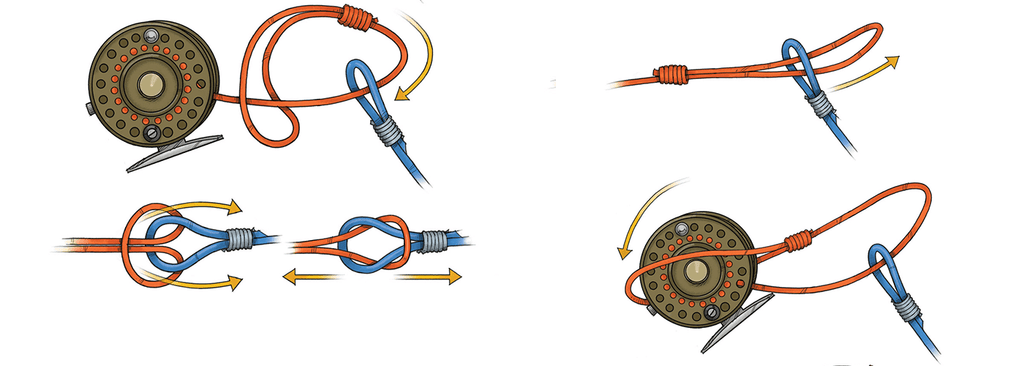
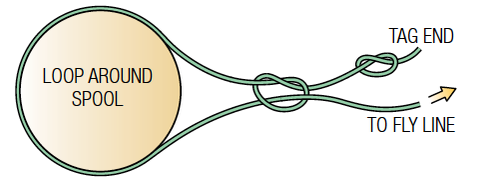
Use a strong knot to attach the line to the spool. A common choice is the arbor knot. It keeps the line tight and safe.
- Wrap the line around the spool.
- Tie an overhand knot around the main line.
- Tie a second overhand knot at the tag end.
- Pull both knots tight against the spool.
- Trim the extra line close to the knot.
Ensuring Proper Line Tension
Keep the line tight as you wind it onto the spool. Proper tension stops loops and tangles from forming.
You can hold the line with your fingers or use a cloth to add friction. Wind the line evenly across the spool.

Credit: windrider.com
Spooling The Line
Putting fishing line on your reel is a key part of fishing prep. Proper spooling helps your line last longer and fish better. This guide covers important points to spool your line right.
Focus on keeping tension, avoiding twists, and filling the spool well. These steps keep your line strong and ready for fishing.
Maintaining Tension While Spooling
Keep steady tension on the line as you spool it onto the reel. This stops loose loops and line bunching. Use your fingers or a cloth to hold the line tight. A steady pull helps the line wrap evenly and prevents future problems.
Avoiding Twists And Tangles
Twists and tangles reduce your line strength and cause frustration. To avoid them, check the line spool direction. Match the line flow with the reel rotation. Untwist any line before spooling. Also, avoid letting the line twist by not letting it hang loose.
- Match line spool direction with reel rotation
- Keep line tight and controlled
- Untwist line before spooling
- Use swivel to reduce line twisting
Filling The Spool Correctly
Fill the spool almost to the edge but leave some space. Overfilling causes line to slip off or tangle. Underfilling reduces casting distance. Aim to fill the spool to about 1/8 inch below the rim for best results.
| Spool Fill Level | Effect |
| Too Full | Line slips or tangles easily |
| Proper Fill (1/8 inch below rim) | Best casting and line control |
| Too Empty | Shorter casts and less line capacity |
Finishing Touches
After spooling your fishing line onto the reel, the last steps ensure your setup is ready. These finishing touches help avoid problems during fishing.
Follow these simple checks to keep your line secure and your reel functioning well.
Trimming Excess Line
Cut off the extra line beyond the reel spool. Leaving too much line can cause tangles and reduce casting efficiency.
- Use sharp scissors or line cutters.
- Leave about 1/8 inch of line beyond the spool edge.
- Make a clean, straight cut to prevent fraying.
- Secure the line end with a small drop of nail polish or glue if needed.
Checking Line Tightness
Check if the line is wound tightly on the spool. Loose line can cause tangles and reduce casting distance.
| Condition | Action |
| Line feels loose | Rewind line more tightly |
| Line feels tight and firm | Proceed to next step |
| Line shows gaps on spool | Adjust line placement evenly |
Testing The Setup
Make sure the line runs smoothly through the guides and the reel functions properly. This test avoids issues during fishing.
- Pull line gently to check for smooth release.
- Turn the reel handle to feel resistance and smoothness.
- Cast the line a few times in an open area.
- Listen for any unusual noises from the reel.
- Adjust drag settings and check line response.
Credit: monsterbass.com
Common Mistakes To Avoid
Putting fishing line on a reel seems simple, but many anglers make mistakes. These errors can cause problems while fishing.
This guide covers common mistakes to avoid when loading your fishing line. Fixing these will help your fishing experience.
Overfilling The Spool
Putting too much line on the spool causes tangles and line breakage. The line may spill over the edges, leading to poor casting.
- Fill the spool up to about 1/8 inch below the edge.
- Check the spool capacity on the reel or line packaging.
- Leave space to prevent line from rubbing against the reel lip.
Loose Line Attachments
Not securing the line tightly to the spool causes it to slip and tangle. This can waste your fishing time and line.
| Common Loose Attachment Problems | Solutions |
|---|---|
| Not tying a strong knot | Use an Arbor knot or similar strong knot |
| Failing to pull the knot tight | Moisten and pull the knot firmly |
| Skipping the initial wraps around the spool | Wrap the line around the spool before tying |
Ignoring Line Twist
Line twist causes loops and tangles. It reduces casting distance and can weaken the line.
- Spool the line under tension to prevent twists.
- Use a swivel to reduce line twist from lures or bait.
- Check for twists regularly and straighten the line if needed.
Frequently Asked Questions
How Do I Choose The Right Fishing Line For My Reel?
Select a fishing line based on your target fish and fishing style. Consider line strength, material, and reel capacity for optimal performance.
What Is The Best Way To Secure Line On A Fishing Reel?
Use an arbor knot to tie the line to the reel spool. This knot ensures a strong, slip-resistant connection for smooth casting.
How Much Fishing Line Should I Put On My Reel?
Fill the spool to about 1/8 inch below the reel’s rim. This prevents line overflows and ensures smooth casting without tangles.
Can I Use Any Fishing Line Type On My Reel?
Most reels work with monofilament, fluorocarbon, or braided lines. Check your reel’s specifications to match line type and diameter for best results.
Conclusion
Putting fishing line on a reel is simple with practice. Follow each step carefully for the best results. A properly spooled reel enhances your fishing experience. It ensures smooth casting and reeling. Practice makes the process easier over time. Always check for twists or tangles in the line.
Use quality fishing line for better performance. Remember, a well-prepared reel means more enjoyable fishing trips. Stay patient and enjoy the process. Happy fishing!