Are you ready to spend more time fishing and less time struggling with your gear? Knowing how to put fishing line on the reel correctly is a skill every angler needs.
Whether you’re a beginner or just want to improve, this simple step can make a huge difference in your fishing experience. Imagine casting smoothly, with no tangles or snags holding you back. Keep reading, and you’ll learn easy, clear steps to get your reel ready fast and right every time.
Your next big catch starts here!
Choosing The Right Fishing Line
Picking the right fishing line is key to a good fishing experience. The line must match your reel, rod, and the fish you want to catch.
Different types of fishing lines have unique features. Knowing these will help you choose the best one for your needs.
Types Of Fishing Line
There are three main types of fishing line: monofilament, fluorocarbon, and braided. Each type has its own strengths and uses.
- Monofilament:Stretchy and easy to handle. Good for beginners and general fishing.
- Fluorocarbon:Almost invisible underwater. Great for clear water and shy fish.
- Braided:Very strong and thin. Works well for heavy cover and long casts.
Matching Line To Reel And Rod
Your fishing line should fit your reel and rod. Using the wrong line can cause problems while fishing.
| Reel Type | Recommended Line Type | Line Capacity |
| Spinning Reel | Monofilament or Fluorocarbon | Check reel specs for max yards |
| Baitcasting Reel | Braided or Monofilament | Use line strength within reel limits |
| Spincast Reel | Monofilament | Usually lower capacity reels |
Line Strength And Diameter
Line strength shows how much weight the line can hold before breaking. Diameter affects casting and visibility.
- Choose a line strength based on the fish size you want to catch.
- Thicker lines are stronger but less sensitive.
- Thinner lines cast farther and are less visible to fish.
- Check your rod and reel for recommended line strength and diameter.
Preparing The Reel
Putting fishing line on a reel starts with good preparation. This step helps the reel work well and last longer.
Clean and check your reel before adding new line. Attach the reel properly to the rod for a smooth fishing experience.
Cleaning The Spool
Remove the spool from the reel carefully. Use a soft cloth to wipe off old line, dirt, and dust. Avoid water to keep the parts dry.
- Take off the spool from the reel body.
- Use a dry cloth to clean the spool surface.
- Remove any leftover fishing line.
- Check for sticky residue and wipe it away.
Checking The Reel Components
Inspect the reel parts to make sure they work well. Look for damage or rust on the handle, drag, and gears.
| Component | What to Check |
| Handle | Turns smoothly without noise |
| Drag System | Adjusts with steady resistance |
| Gears | No rust or broken teeth |
| Line Roller | Rolls freely without sticking |
Attaching The Reel To The Rod
Secure the reel to the rod with the reel seat. Tighten the seat so the reel does not move during fishing.
- Place the reel foot into the reel seat on the rod.
- Turn the locking ring to tighten the reel.
- Check if the reel is firmly attached.
- Make sure the reel handle is on the desired side.
Setting Up The Fishing Line
Putting fishing line on the reel is an important skill for every angler. It helps you cast smoothly and catch fish without problems.
Follow simple steps to set up your fishing line correctly. This guide will show you how to thread, secure, and leave the right amount of line.
Threading The Line Through Guides
Start by pulling the fishing line from the spool. Pass it through each guide on the fishing rod, starting from the tip.
Make sure the line goes inside every ring-shaped guide. This keeps the line straight and prevents tangles during casting.
Securing The Line To The Spool
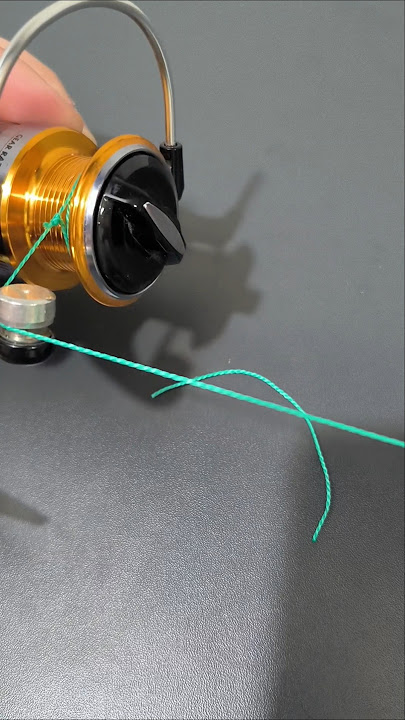
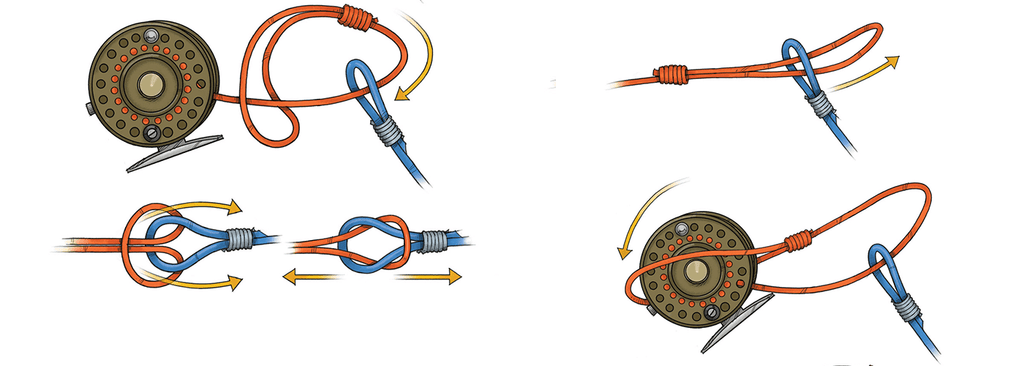
Wrap the line around the reel spool tightly. Tie a strong knot to hold the line in place before you start winding.
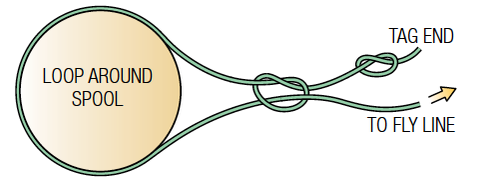
A common knot to use is the arbor knot. It keeps the line secure and stops it from slipping off the spool.
- Pass the line around the spool
- Tie a simple overhand knot around the main line
- Pull tight to secure the knot
- Trim any extra line close to the knot
Leaving The Right Amount Of Line
Leave enough line on the spool to allow smooth casting. Overfilling can cause tangles and line breakage.
Fill the spool until the line is about 1/8 inch below the spool edge. This space helps the line flow without sticking.
- Do not overfill the spool
- Keep the line level with the spool edge
- Check the line tension as you wind
- Stop when the line reaches the proper level
Credit: www.epicflyrods.com
Spooling The Line
Putting fishing line on the reel is an important task for every angler. Spooling the line correctly makes your fishing easier and more fun.
This guide focuses on spooling the line with proper tension, winding it evenly, and avoiding twists and tangles.
Maintaining Proper Tension
Keep the fishing line tight while spooling to prevent slack. Loose line can cause tangles or reduce casting distance.
You can maintain tension by holding the line between your fingers or using a cloth to grip it firmly as you spool.
Winding The Line Evenly
Winding the line evenly helps the reel work smoothly and avoids clumps. Uneven spooling can cause line jams and affect casting.
- Start by attaching the line to the reel spool.
- Turn the reel handle slowly to wind the line.
- Guide the line with your fingers to spread it across the spool.
- Keep the line tight and layer it neatly.
- Fill the spool until it is about 1/8 inch from the edge.
Avoiding Twists And Tangles
Twists and tangles weaken the line and cause problems while fishing. They happen when the line spins or loops incorrectly during spooling.
| Cause | How to Avoid |
|---|---|
| Line spool spinning freely | Secure the spool so it turns in the same direction as the reel. |
| Loose tension | Keep firm tension on the line at all times. |
| Reel handle turned too fast | Turn the handle slowly and steadily. |
| Line not guided properly | Use your fingers to guide and spread the line evenly. |
Finishing Touches
After winding the fishing line onto your reel, some important steps remain. These finishing touches ensure your line is secure and the reel works well.
Taking time for these final checks helps avoid problems while fishing. Let’s look at what you need to do next.
Cutting And Tying Off The Line
Cut the fishing line leaving a few extra inches beyond the reel spool. This extra length makes tying easier.
Tie a secure knot to hold the line in place. Use a strong knot like the improved clinch knot to prevent slipping.
- Cut line 4-6 inches past the spool edge
- Tie an improved clinch knot or similar
- Pull the knot tight and trim excess line
Checking Line Capacity
Make sure the line fills the spool correctly. Too much line can cause tangles. Too little line reduces casting distance.
Leave a small gap of about 1/8 inch from the spool rim. This space helps the line spool smoothly.
- Line should fill spool evenly
- Leave a 1/8 inch gap to the spool edge
- Avoid overfilling or underfilling the spool
Testing The Reel Function
Turn the reel handle to check if the line moves smoothly. The drag system should engage without sticking or slipping.
Pull some line off the reel to test the tension. Make sure the line flows freely but stays under control.
- Spin the reel handle for smooth movement
- Check drag for consistent tension
- Pull line to ensure easy release and good control
Credit: monsterbass.com
Common Mistakes To Avoid
Putting fishing line on the reel seems easy, but many anglers make errors. These mistakes can cause problems while fishing.
Knowing what to avoid helps you set up your reel correctly. This guide covers common mistakes and how to fix them.
Overfilling The Spool
Filling the spool too full is a frequent error. It causes line tangles and reduces casting distance.
- Leave about 1/8 inch of space from the spool edge.
- Overfilling leads to line snapping during casts.
- Underfilling can cause line to get stuck or slip.
Ignoring Line Twist
Line twist weakens your line and causes knots. It happens if you do not spool the line properly.
| Cause | Effect |
|---|---|
| Spooling line without tension | Line twists and tangles |
| Using swivel incorrectly | Line twist increases |
| Reeling against the line spool direction | Line loops form easily |
Using Wrong Line Type
Using the wrong line type can damage your reel and reduce fishing success. Each reel works best with certain lines.
- Monofilament line is stretchy and easy to handle.
- Braid is strong but needs special spooling care.
- Fluorocarbon sinks fast but can be stiff.
- Check reel specs for recommended line types and weights.
Tips For Maintaining Your Line And Reel
Keeping your fishing line and reel in good shape makes fishing easier and fun. Regular care helps avoid problems like tangles or breaks.
Use simple habits to protect your gear. This guide covers cleaning, replacing line, and storing your reel properly.
Regular Cleaning And Inspection
Clean your reel after every fishing trip. Salt, dirt, and water can damage it if left on. Use fresh water and a soft cloth to wipe it down.
- Remove the spool and rinse it gently.
- Use a small brush to clean inside the reel.
- Dry all parts completely before reassembling.
- Check for any cracks or worn parts during cleaning.
Replacing Old Line
Old fishing line loses strength and can break easily. Change your line at least once a season or more if you fish often.
| Reason | When to Replace |
| Discoloration or frays | Immediately |
| After 6 months of use | Recommended |
| After a strong catch | Check and replace if damaged |
Proper Storage Techniques
Store your reel and line in a dry place away from sunlight. Heat and moisture can weaken the line and damage the reel parts.
- Keep the reel loose on the spool to avoid tension.
- Use reel covers or bags to protect from dust.
- Avoid storing near chemicals or oils.
- Check line condition before each trip.

Credit: windrider.com
Frequently Asked Questions
How Do I Start Putting Line On A Fishing Reel?
Begin by threading the line through the rod guides. Tie the line securely to the reel spool using an arbor knot to prevent slipping.
What Type Of Fishing Line Is Best For Reels?
Monofilament lines are great for beginners due to flexibility. Braided lines offer strength and sensitivity for experienced anglers.
How Much Line Should I Put On My Reel?
Fill the spool to about 1/8 inch below the reel’s lip. This prevents overfilling and reduces line tangles during casting.
How Do I Avoid Line Twists On The Reel?
Spool the line under slight tension and avoid letting it twist. Use a swivel if necessary to prevent twists while fishing.
Conclusion
Putting fishing line on a reel seems tricky. But it’s not. Follow the steps, and you’ll succeed. Start with choosing the right line. Then, attach it securely. Wind it evenly across the spool. Avoid tangles by keeping tension. Practice makes perfect, so don’t worry.
Soon, you’ll do it with ease. With patience, anyone can learn this skill. Enjoy your fishing trips more. Happy fishing!