Getting your fishing line onto a reel might seem tricky at first, but once you know the simple steps, it becomes quick and easy. Whether you’re a beginner or just need a refresher, this guide will walk you through the process clearly and confidently.
Imagine casting your line smoothly and catching more fish because your reel is set up perfectly. Keep reading to learn how to do it right, so your next fishing trip is hassle-free and more successful.
Credit: www.epicflyrods.com
Choosing The Right Line
Choosing the right fishing line is important for a good fishing experience. The line must fit your fishing style and gear.
Different types of lines work better in different situations. Knowing about them helps you pick the best one.
Types Of Fishing Line
There are three main types of fishing lines: monofilament, fluorocarbon, and braided. Each type has its own strengths and uses.
- Monofilament:Flexible and easy to handle. Good for beginners.
- Fluorocarbon:Less visible in water. Great for clear water fishing.
- Braided:Very strong and thin. Best for heavy cover or deep water.
Line Strength And Diameter
Line strength is measured in pounds and tells how much weight the line can hold. Diameter affects how the line moves in water.
| Line Type | Strength Range (lbs) | Diameter Range (inches) |
|---|---|---|
| Monofilament | 2 – 30 | 0.005 – 0.035 |
| Fluorocarbon | 2 – 40 | 0.006 – 0.040 |
| Braided | 10 – 80 | 0.006 – 0.035 |
Matching Line To Reel And Rod
Make sure the line fits your reel’s capacity and the rod’s strength. Using the wrong line can cause problems while fishing.
- Check the reel’s maximum line weight and length.
- Match the line strength to the rod’s rating.
- Consider the fishing conditions for better line choice.

Credit: windrider.com
Preparing Your Reel
Putting fishing line onto a reel is an important step. It ensures your fishing experience is smooth and successful. Preparing your reel properly can help avoid tangles and breaks.
Here are some steps to get your reel ready for new line. Follow these to keep your reel in top condition.
Cleaning The Reel
Before adding new line, make sure your reel is clean. Dirt and debris can cause problems and affect performance.
Use a soft cloth to wipe down the reel. Pay attention to small crevices where dirt might hide.
- Use a gentle cleaning solution if needed
- Dry the reel completely to prevent rust
- Check for any visible damage
Removing Old Line
Take off the old line before adding new. This helps prevent tangling and ensures the line lays evenly.
Cut the old line near the knot. Then, unwind it completely from the reel.
- Dispose of old line responsibly
- Check for any remaining knots
- Ensure the reel is empty and ready
Checking Reel Components
Inspect your reel’s parts to ensure they are working. This step is crucial for a smooth fishing experience.
Check the handle, drag system, and bail. Make sure everything moves freely without sticking.
- Test the drag system for smooth operation
- Ensure the bail opens and closes easily
- Look for any signs of wear or damage
Setting Up The Reel
Putting fishing line onto a reel starts with setting up the reel correctly. This helps the line wind smoothly and lasts longer. Follow these steps to prepare your reel.
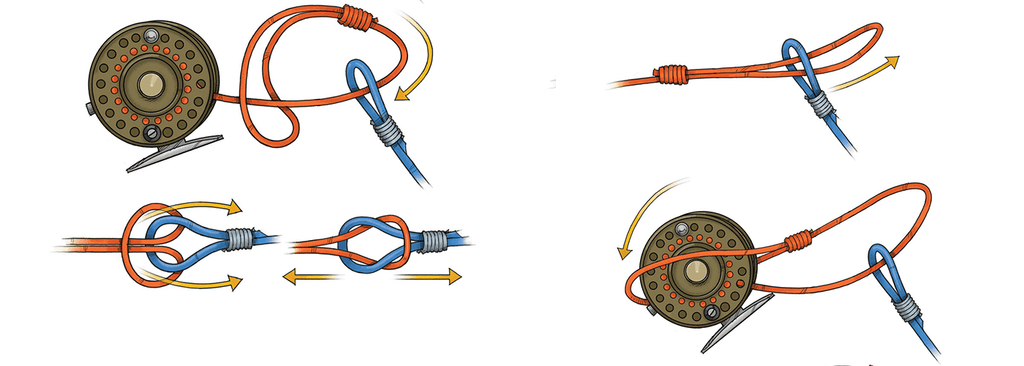
First, attach the reel to the rod. Then, thread the line through the guides. Finally, secure the line to the spool before winding.
Attaching The Reel To The Rod
Begin by placing the reel foot into the reel seat on your rod. Tighten the locking mechanism until the reel feels secure. The reel should not move or wiggle.
Threading The Line Through Guides
Pull the fishing line from the spool and pass it through each guide on your rod. Start from the guide closest to the reel and move to the tip. Make sure the line moves freely without twisting.
- Find the first guide near the reel seat
- Pass the line through each guide in order
- Check that the line is straight and untwisted
- Keep tension on the line while threading
Securing The Line To The Spool
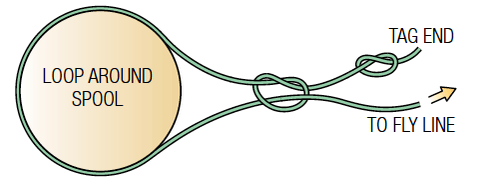
To secure the line, tie it firmly to the spool using a knot. A common knot is the arbor knot. This keeps the line from slipping when you start winding.
| Knot | How to Tie |
|---|---|
| Arbor Knot | Wrap line around spool, tie an overhand knot, then a second overhand knot on the tag end, pull tight |
Spooling The Line
Spooling fishing line onto a reel is an important task for all anglers. Proper spooling helps avoid problems while fishing.
This guide covers key tips for spooling line the right way. Focus on tension, even winding, and preventing twists.
Maintaining Line Tension
Keep the line tight during spooling to prevent loose loops. Loose line can cause tangles and reduce casting distance.
- Hold the line between your fingers to apply gentle pressure.
- Use a cloth or towel to help grip the line if it slips.
- Ask someone to hold the spool with slight resistance if possible.
- Make sure the line feeds smoothly onto the reel without slack.
Winding The Line Evenly
Even winding helps the line lay flat on the spool. This prevents bunching and improves casting performance.
| Common Issue | Effect | Solution |
| Line piled on one side | Uneven tension, tangles | Move line guide back and forth while winding |
| Gaps in line layers | Line slipping under tension | Keep steady pressure and feed line slowly |
| Line overlapping too much | Line damage, knots | Adjust reel handle speed to match line feed |
Avoiding Line Twists And Overlaps
Line twists weaken the line and cause tangles. Overlaps create knots and reduce casting distance.
- Attach the line spool so it spins the same direction as the reel.
- Let the line unroll freely from the spool to avoid twists.
- Use a swivel to prevent line twisting if using lures or bait.
- Check the line frequently for loops or knots during spooling.
- Re-spool if you notice excessive twists or overlaps.
Finishing Touches
After you have spooled the fishing line onto the reel, the final steps are important. These steps help secure the line and prepare your setup for fishing.
Pay attention to these finishing touches to avoid problems while casting or fighting fish.
Cutting The Line
Cut the fishing line neatly after you finish spooling. Leave a little extra line past the reel’s edge to tie your leader or tackle.
Use sharp scissors or line cutters. A clean cut prevents fraying and helps with smooth knots.
Tying The Leader Or Terminal Tackle
Attach a leader or terminal tackle to the line to improve fishing success. The leader can protect the line or add a hook or lure.
Use strong knots like the improved clinch knot or Palomar knot. Tighten the knot firmly and trim any extra tag end.
- Thread the leader through the line end
- Make several wraps with the tag end around the main line
- Pass the tag end through the loop near the eye
- Pull the knot tight and trim excess line
Testing The Setup
Before fishing, test your line and knots. Pull the line firmly to check if knots hold well.
Also, turn the reel handle to feel the line movement. This check ensures smooth casting and reeling.
- Pull knots with steady force
- Look for any slipping or loosening
- Reel line to confirm smooth rotation
- Adjust or retie knots if needed
Common Mistakes To Avoid
Putting fishing line onto a reel might seem easy. Still, many anglers make mistakes that cause problems later.
Knowing what to avoid can save time and help your fishing line last longer.
Overfilling The Spool
Putting too much line on the spool is a common mistake. It causes tangles and line breakage when you cast.
Fill the spool only up to about 1/8 inch from the edge. This leaves enough space for smooth casting.
- Too much line causes wind knots and tangles
- Overfilling stresses the reel parts
- Underfilling can reduce casting distance but is safer
Using Incorrect Line Type
Different reels need specific types of fishing line. Using the wrong type can cause poor performance.
Check if your reel works best with monofilament, fluorocarbon, or braided line. Match your line to the reel’s guide size and drag system.
- Monofilament is stretchy and easy to handle
- Fluorocarbon is less visible underwater
- Braided line is strong but thinner and less stretch
Ignoring Line Maintenance
Old or damaged line weakens your setup. Ignoring line care leads to breaks and lost fish.
Regularly check your line for frays, nicks, and dirt. Replace or clean it as needed to keep it strong.
- Remove salt and dirt after each use
- Cut off damaged sections to prevent breaks
- Store your reel in a cool, dry place

Credit: www.youtube.com
Frequently Asked Questions
How Do I Choose The Right Fishing Line For My Reel?
Selecting the correct line depends on your fishing type and reel capacity. Check the reel’s specifications for line weight limits. Consider line strength, diameter, and material like monofilament or braided for best performance.
What Is The Best Method To Spool Fishing Line Onto A Reel?
Start by threading the line through the rod guides, then tie it securely to the spool. Keep tension on the line while winding to avoid twists. Fill the spool evenly to about 1/8 inch from the edge for optimal casting.
How Much Fishing Line Should I Put On My Reel?
Fill the spool to about 1/8 inch below the spool’s rim. Overfilling can cause tangles, while underfilling reduces casting distance. Check your reel’s manual for specific line capacity recommendations.
Can I Use Any Fishing Line With All Reel Types?
Not all lines suit every reel. Spinning reels work well with lighter lines, while baitcasting reels handle heavier lines. Match your line type and strength to your reel and fishing needs for best results.
Conclusion
Putting fishing line on a reel is simple with the right steps. Take your time and follow each part carefully. Avoid tangles by keeping the line tight and even. Practice makes it easier and faster. Soon, you will feel confident and ready to fish.
Enjoy the process and have fun outdoors!