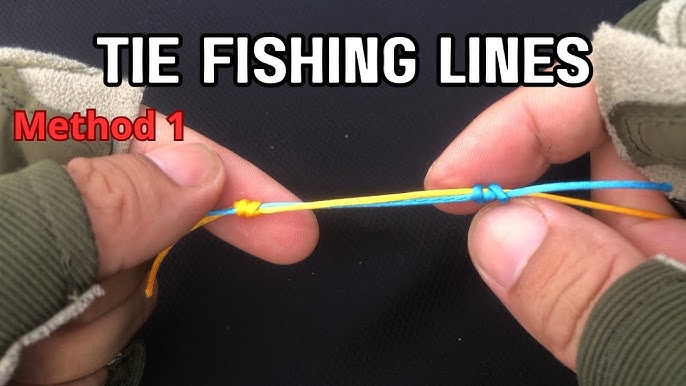
Are you tired of your fishing line slipping or tangling every time you head out? Putting fishing line on your reel the right way can make all the difference between a frustrating day and a successful catch.
Whether you’re a beginner or just need a quick refresher, this guide will show you simple, step-by-step tips to get your line set up perfectly. Keep reading, and you’ll learn how to save time, avoid common mistakes, and make your next fishing trip more enjoyable.
Let’s get your gear ready to reel in those big fish!

Credit: www.youtube.com
Choosing The Right Line
Choosing the right fishing line is important for a good fishing experience. The line affects how you cast, how you fight fish, and how often you lose fish.
Different types of lines suit different fishing needs. Knowing the options helps you pick the best one for your trip.
Types Of Fishing Line
There are three main types of fishing lines. Each has unique features and uses.
- Monofilament:Easy to handle and affordable. It stretches under load, which helps prevent breakage.
- Fluorocarbon:Nearly invisible underwater and more resistant to abrasion. It sinks faster than monofilament.
- Braid:Very strong and thin. It has little stretch and is good for heavy cover or deep water.
Selecting Line Strength
Line strength depends on the weight of fish you want to catch. Strength is measured in pounds (lb) of test.
| Fish Type | Recommended Line Strength (lb) |
| Small Panfish | 2 – 6 |
| Trout and Bass | 6 – 12 |
| Walleye and Pike | 10 – 20 |
| Large Saltwater Fish | 20 – 50+ |
Considerations For Different Fish
Different fish require different lines. Some fish have sharp teeth or live near rocks.
- Use abrasion-resistant line for fish in rocky or heavy cover areas.
- Choose thicker or stronger line for large or strong fish.
- For clear water, select low-visibility lines like fluorocarbon.
- If fishing for small fish, a light and thin line works best.

Credit: n1outdoors.com
Preparing Your Reel
Before putting fishing line on your reel, you must prepare it well. A clean and well-checked reel helps your fishing line last longer.
Start by cleaning the spool and removing old line. Then, check the reel’s condition to avoid problems later.
Cleaning The Spool
Clean the spool to remove dirt, salt, and old grease. Use a soft cloth and mild soap with water. Dry it fully before adding new line.
- Wipe the spool with a damp cloth
- Use a toothbrush for hard-to-reach spots
- Rinse with clean water if needed
- Dry completely with a towel
Removing Old Line
Remove all old fishing line from the spool. Old line can tangle and weaken your new line. Cut it into small pieces to make removal easier.
| Why Remove Old Line? | How to Remove |
|---|---|
| Prevents tangling | Cut line into small pieces, pull off spool |
| Keeps line strong | Check spool edges for leftover line |
| Improves casting | Remove slowly to avoid damaging spool |
Checking Reel Condition
Check your reel for damage or wear before adding new line. Look for cracks, loose parts, or rust. Make sure the drag system works smoothly.
- Spin the reel handle to feel for rough spots
- Inspect for rust or corrosion
- Check that the bail arm moves freely
- Tighten any loose screws
Attaching The Line To The Spool
Putting fishing line on the spool starts with attaching it properly. This step keeps the line secure while you spool it.
Good attachment prevents slipping and tangling. It also helps the line lay evenly on the spool.
Securing The Line
First, thread the line through the reel guides. Leave a few inches of line past the spool.
Wrap the line around the spool once or twice. Hold the line tight to stop it from slipping.
Tie a secure knot to hold the line in place. Make sure the knot is snug and neat.
Common Knots For Spooling
Several knots work well for attaching line to the spool. Each knot keeps the line strong and secure.
- Arbor Knot: Simple and strong for most reels
- Uni Knot: Easy to tie and very reliable
- Bimini Twist: Creates a strong loop for heavy lines
- Improved Clinch Knot: Common for tying hooks and can secure line to spool
Practice these knots to find the best one for your fishing needs.
Spooling Techniques
Putting fishing line on a reel is important for good fishing. Using the right spooling techniques helps the line work well. It also stops problems like tangles and twists.
This guide explains how to spool fishing line correctly. Follow these tips to keep your line strong and ready for fishing.
Maintaining Tension
Keeping tension on the fishing line while spooling is very important. It stops loose loops that cause tangles. You want the line tight but not too tight.
Use your fingers or a cloth to hold the line firmly as you spool. Make sure the line feeds smoothly and stays under steady pressure.
- Hold the line between your fingers or with a cloth
- Keep a steady, firm pull on the line
- Avoid pulling too hard to prevent damage
- Check tension often while spooling
Avoiding Line Twist
Line twist can cause knots and reduce casting distance. It happens when the line spins too much during spooling. To stop this, attach the line correctly and spool carefully.
Make sure the line comes off the spool in the same direction it goes onto your reel. Use a swivel if needed to reduce twisting.
- Attach line to spool without overlaps
- Let the line feed off the supply spool smoothly
- Use a swivel to prevent twists if needed
- Check for twists by running line through your fingers
Filling The Spool Properly
Fill the spool almost full but leave some space at the edge. Overfilling can cause tangles and backlash. Too little line reduces casting distance.
Fill the spool evenly by guiding the line side to side. Keep the line tight and neat as you go.
- Fill spool to about 1/8 inch from the edge
- Guide line evenly to avoid lumps
- Keep tension steady to prevent loose line
- Stop filling if line starts to overlap or bunch
Finishing Touches
After putting the fishing line on your reel, some final steps ensure your setup works well. Proper finishing helps you avoid problems during fishing.
These last details keep your line secure and ready to fish. Follow these tips carefully for a smooth fishing experience.
Cutting And Securing The Line End
Cut the fishing line about 6 inches past the reel spool. Use sharp scissors or a line cutter for a clean cut.
- Tie a small knot or use a line clip to hold the line in place.
- Make sure the line end is tight to prevent slipping.
- Trim any excess line close to the knot or clip.
Testing The Line
Test your line by pulling it gently to check its tension and security. This helps avoid line breaks while fishing.
- Pull the line slowly to feel for any slipping or loose knots.
- Check if the line moves smoothly on the reel.
- Re-tie or adjust if you find any weak spots.
Storing Your Reel
Store your reel with care to keep the fishing line in good shape. Proper storage stops damage and tangling.
| Storage Tip | Reason |
| Keep reel in a dry place | Prevents rust and line damage |
| Loosen drag tension | Protects line from stretching |
| Cover reel with a cloth or case | Keeps dust and dirt away |
Troubleshooting Common Issues
Putting fishing line on a reel can cause some common problems. These issues can affect your fishing experience. Knowing how to fix them saves time and frustration.
This guide covers three frequent problems: line slippage, line twist, and overfilling. Each has simple solutions you can try.
Dealing With Line Slippage
Line slippage happens when the fishing line slips on the spool. This can cause uneven winding or loss of line tension.
To fix line slippage, start by checking if the line is tied securely to the spool. Use a strong knot, like the arbor knot. Make sure the spool’s surface is clean and dry. If it is smooth or slippery, add a piece of masking tape or a rubber band for better grip.
Fixing Line Twist
Line twist causes tangles and knots. It happens when the line spins too much while casting or retrieving.
- Use the correct type of line for your reel.
- Check that the line is wound tightly and evenly on the spool.
- Let the line hang freely to untwist before tying on a lure.
- Avoid reeling against the drag to reduce twisting.
Preventing Overfilling
Overfilling the spool causes loose loops and tangles. It also increases the chance of line breakage.
| Problem | Cause | Solution |
| Loose loops | Too much line on spool | Fill spool 1/8 inch below edge |
| Line tangles | Line touching spool lip | Do not overfill, leave space |
| Line breakage | Line pinched or twisted | Check line tension and fill level |

Credit: www.battlbox.com
Frequently Asked Questions
How Do You Properly Put Fishing Line On A Reel?
First, attach the line to the reel spool with an arbor knot. Then, wind the line evenly while maintaining tension. Avoid overlapping or loose wraps for smooth casting and reeling.
What Type Of Fishing Line Is Best For Beginners?
Monofilament line is ideal for beginners. It’s affordable, easy to handle, and versatile for different fishing styles. It also offers good knot strength and stretch, reducing line breakage.
How Much Fishing Line Should I Put On My Reel?
Fill the reel spool about 1/8 inch below the rim. This amount prevents line overflows and tangles while maximizing casting distance and line capacity.
Can I Use Any Fishing Line On Any Reel?
No, choose line compatible with your reel type. Spinning reels work best with lighter lines, while baitcasting reels handle heavier lines for better control.
Conclusion
Putting fishing line on a reel is easy with practice. Follow these steps for success. Remember to check your line for damage. Always use the right type of line for your fishing needs. Keep your reel clean and well-maintained. This helps improve your fishing experience.
Practice makes perfect. With these tips, you’ll be ready for your next fishing adventure. Enjoy the peace and excitement of fishing. It’s a great way to relax and connect with nature. Happy fishing!