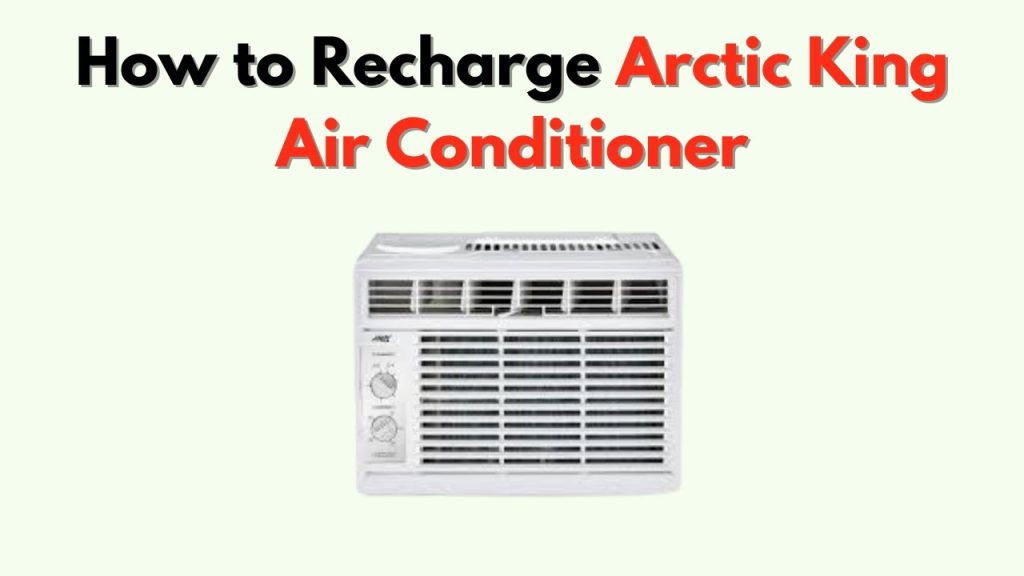
Is your window air conditioner not cooling like it used to? You might be low on Freon, the key refrigerant that keeps your unit blowing cold air.
Adding Freon yourself can save you time and money, but it’s important to do it the right way. In this guide, you’ll learn simple, step-by-step instructions to safely recharge your window AC. Keep reading to get your cool air flowing again and beat the heat without calling a costly repair service.
Signs Your Ac Needs Freon
Reduced cooling efficiencyis a clear sign your AC needs Freon. The unit takes longer to cool the room. Air may not feel as cold as usual. This means the Freon level is low or leaking.
Ice formation on coilshappens when Freon is low. The coils get too cold and frost builds up. This stops the AC from working well and can cause damage.
Hissing or bubbling soundsnear the AC unit may signal a Freon leak. These noises often come from small holes or cracks in the system. This lowers the cooling power and should be checked quickly.
Safety Precautions
Protective gearis essential when handling Freon or refrigerants. Wear glovesto protect your hands and gogglesto shield your eyes. A mask helps avoid breathing harmful fumes. Clothes should cover your skin fully.
Refrigerants can be dangerousif spilled or inhaled. Always handle with care. Avoid touching your face or eyes during the process. Work in a well-ventilated area to reduce risk of inhaling fumes.
| Legal Considerations | Details |
|---|---|
| Certification | You may need a license to buy or add refrigerant. |
| Environmental Laws | Releasing refrigerants into air is illegal and harmful. |
| Local Regulations | Check rules in your area before adding Freon. |
Tools And Materials Needed
Choosing the right Freon typeis key for window air conditioners. Most units use R-22 or R-410A. Check the label on your AC to find the correct type. Using the wrong Freon can harm the unit.
A recharge kitusually includes:
- Can of Freon
- Pressure gauge
- Hose with connector
Additional tools needed are:
- Screwdriver to open the panel
- Gloves for safety
- Safety glasses
- Thermometer to check temperature
Always work in a well-ventilated areaand wear protective gear.

Credit: www.youtube.com
Preparing The Air Conditioner
Always turn off and unplugthe air conditioner before starting. This stops any risk of electric shock.
Find the service valve, usually on the side or back of the unit. This valve controls the flow of Freon.
Remove the access panelscarefully. Use a screwdriver if needed. This exposes the valve and the refrigerant lines.
- Check for any signs of damage or leaks on the panels.
- Keep screws safe to put panels back later.
- Work gently to avoid breaking parts.
Checking The Current Freon Level
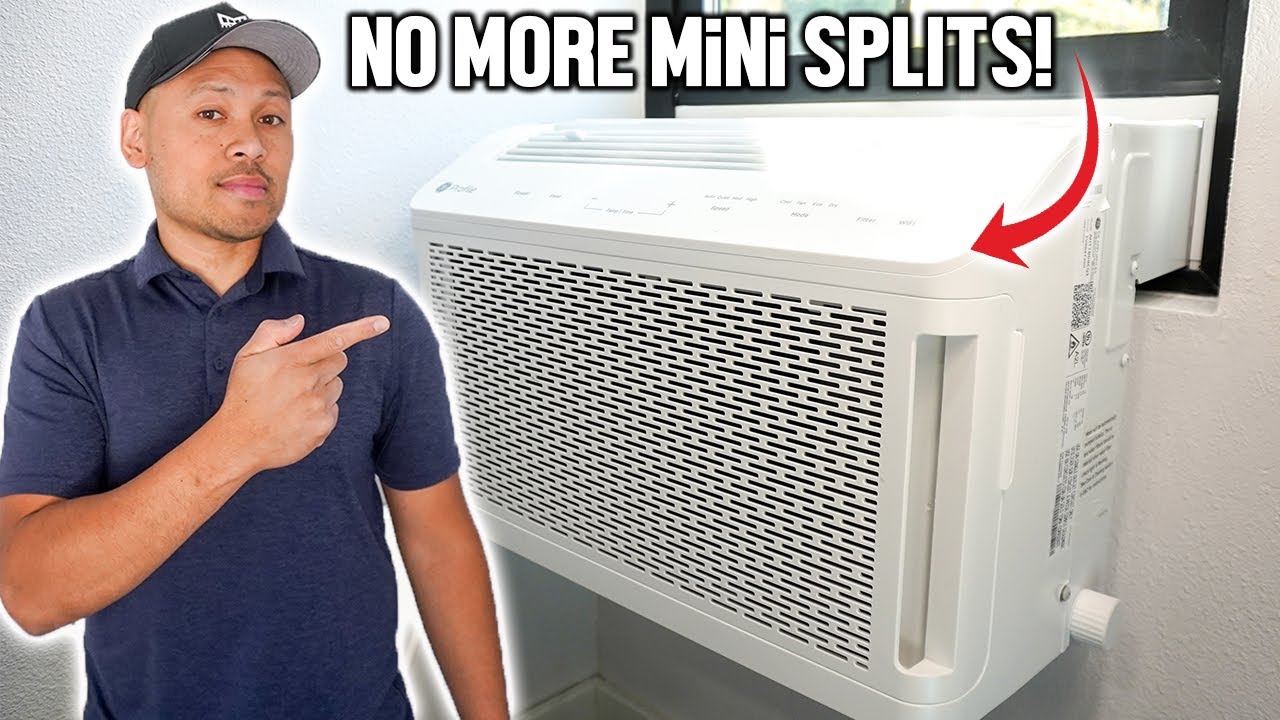
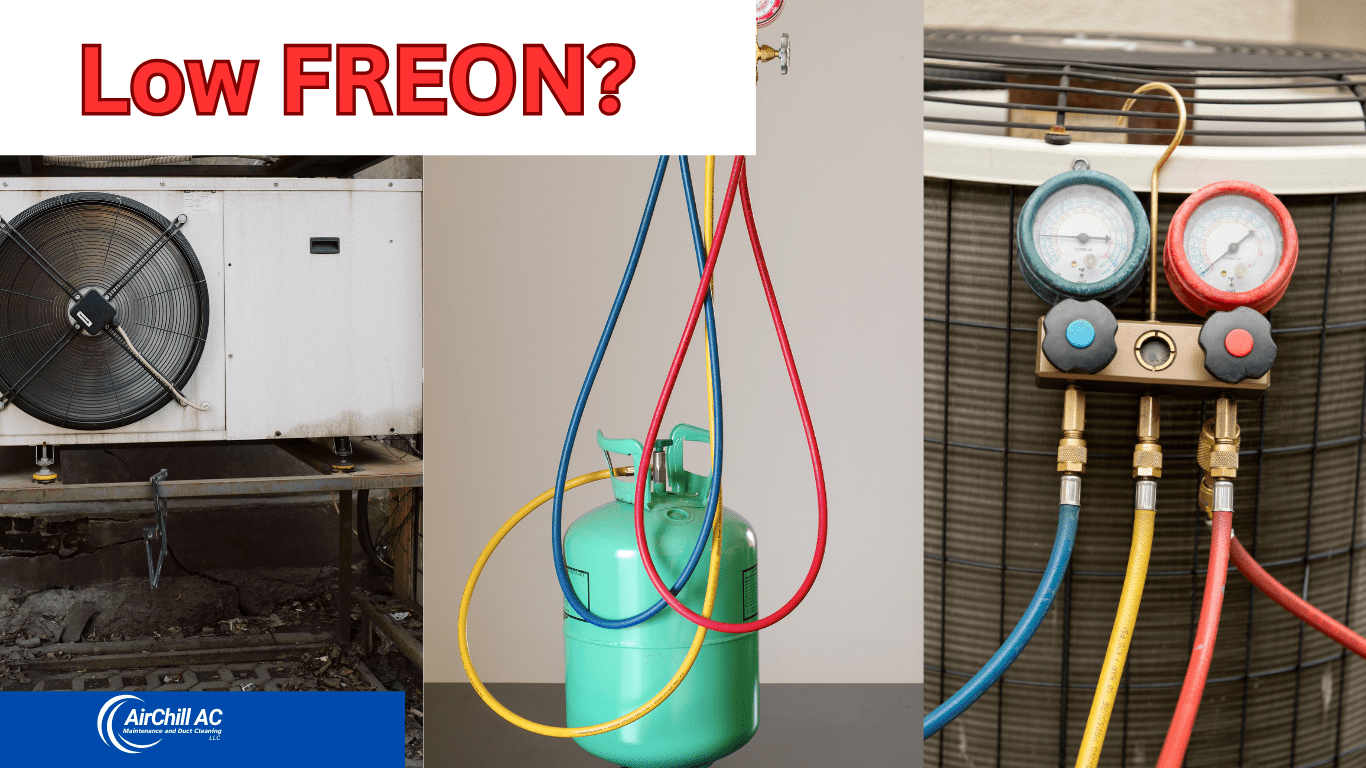
Use a pressure gaugeto check the Freon level in your window unit air conditioner. Connect the gauge to the service port, which is usually found on the refrigerant line.
Read the gauge carefully. It shows the pressure inside the system in PSI (pounds per square inch). Different pressures mean different Freon levels.
| Gauge Reading (PSI) | Freon Level Meaning |
|---|---|
| Below 50 PSI | Low Freon – recharge needed |
| 50 – 70 PSI | Normal Freon level |
| Above 70 PSI | Too much Freon – may cause damage |
Always check the unit’s manual for the correct pressure range. Use this to avoid overcharging or underchargingyour AC.
Credit: www.youtube.com
Adding Freon To The Unit
First, connect the recharge hoseto the air conditioner’s low-pressure port. The port is usually marked or found near the compressor. Ensure the hose is securely attachedto avoid leaks.
Next, slowly release the Freoninto the unit. Open the valve on the Freon can carefully. Pouring too fast can cause damage or frostbite.
Keep a close eye on the pressure levelsusing a gauge. Ideal pressure depends on the unit model. Stop adding Freon once the correct pressure is reached.
Testing The Air Conditioner
After refilling Freon, turn the window unit back on. Let it run for a few minutes to stabilize. Check if the air coming out feels cold. The unit should cool the room effectively. If the air is still warm, there might be a leak or other issue.
Listen carefully for any unusual noises. Buzzing, rattling, or hissing sounds are signs of trouble. These noises can mean the compressor or fan is not working right. If you hear strange sounds, switch off the unit and inspect it again.
Troubleshooting Common Issues
Leaks in window unit air conditioners cause loss of Freon. This lowers cooling efficiency and can damage the system. Look for oily spots or hissing sounds near connections. Small leaks might be fixed by tightening fittings or using sealant. Large leaks need professional repair.
Overchargingwith Freon causes the unit to work poorly. Signs include:
- Ice buildup on coils
- Warm air blowing out
- Higher electricity bills
- Unit cycles on and off frequently
Call a professional if:
- Leaks are visible or you smell gas
- The unit still doesn’t cool after adding Freon
- You notice strange noises or smells
- You are unsure about handling refrigerant safely
Maintaining Your Window Ac
Keeping your window AC cleanhelps it run better and last longer. Dust and dirt can block air flow and make the unit work harder. Clean the filter every month during use. Wash the filter with warm water and mild soap. Let it dry completely before putting it back.
Remove debris and dirt from the outside vents and coils. Use a soft brush or cloth for this. Avoid using strong chemicals or high pressure water. These can damage the unit.
Store your AC properly in the off-season. Drain all water from the unit to stop mold growth. Cover it with a plastic sheet or cloth to keep dust away. Store in a dry place with good air circulation.
Schedule a professional checkup once a year. A technician can check for leaks and refill Freon if needed. They also clean parts that are hard to reach. This helps your AC work well and saves energy.
Credit: airchillac.com
Frequently Asked Questions
How Do I Know If My Ac Needs Freon?
Signs include weak cooling, ice buildup, or hissing sounds. Low Freon affects performance and efficiency. A professional can confirm if your unit needs a recharge.
Can I Add Freon To Any Window Ac Unit?
No, not all units allow DIY Freon addition. Some models have sealed systems. Always check the manufacturer’s guidelines before attempting to add Freon.
What Safety Precautions Are Needed When Adding Freon?
Wear gloves and goggles to protect yourself. Avoid skin contact and inhalation. Work in a well-ventilated area and follow all instructions carefully.
How Much Freon Does A Window Unit Require?
The required amount varies by model and size. Refer to the unit’s label or manual for exact specifications. Overcharging can damage the AC system.
Conclusion
Adding Freon to a window unit air conditioner can help it cool better. Always check the unit’s instructions before starting. Use the right type and amount of Freon to avoid damage. Be careful and follow safety steps during the process.
Regular maintenance keeps your air conditioner working well. If unsure, ask a professional for help. A well-cooled room makes summer days more comfortable. Simple care extends your unit’s life and saves money. Keep cool and enjoy your refreshed air conditioner.