Is your air conditioner not cooling like it used to? You might be low on Freon, the key ingredient that keeps your AC blowing cold air.
Knowing how to put Freon in your air conditioner can save you money and keep your home comfortable all summer long. In this guide, you’ll learn simple, step-by-step instructions that anyone can follow. By the end, you’ll have the confidence to handle this task yourself and avoid costly repairs.
Let’s get started and bring back that cool breeze you’ve been missing!
Signs Of Low Freon Levels
Reduced cooling efficiencyis a common sign of low Freon. The air conditioner struggles to cool rooms. It takes longer to feel cold air. Energy use can rise as the system works harder.
Ice formation on coilshappens when Freon is low. The evaporator coil gets very cold. Moisture in the air freezes on the coil. This ice blocks airflow and reduces cooling power.
Hissing or bubbling soundsnear the AC unit suggest a Freon leak. These noises come from gas escaping. The sound means the system needs service fast. Ignoring it can damage the AC unit.

Credit: www.youtube.com
Safety Precautions
Wear protective gearlike gloves and goggles. This stops skin and eye contact with Freon, which can be harmful.
Work in a well-ventilated areato avoid breathing in fumes. Open windows and doors to let fresh air in.
Avoid direct contactwith refrigerant. Freon can cause frostbite or other injuries if it touches skin.
- Use gloves made of materials that resist chemicals.
- Wear safety glasses or goggles to protect eyes.
- Keep a fan or ventilation device running nearby.
- Do not inhale or touch the refrigerant directly.
Tools And Materials Needed
Freon Recharge Kitincludes the can of refrigerant and a hose with a valve. This kit helps add Freon safely to your air conditioner.
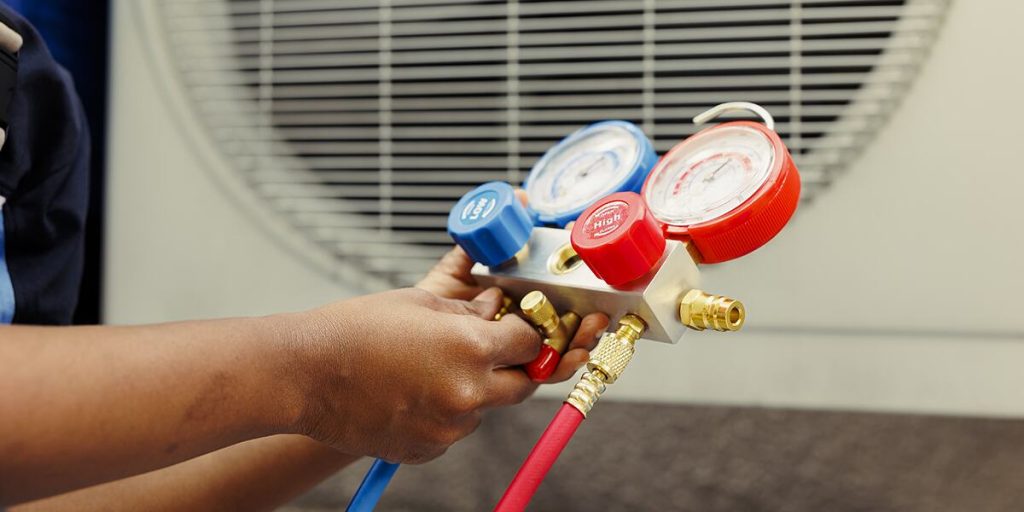
The Pressure Gaugeshows the current pressure inside the AC system. It helps you know when to stop adding Freon to avoid overcharging.
- Screwdriversare needed to open panels and access the AC unit parts.
- Wrencheshelp to loosen or tighten connections during the recharge process.
Credit: m.youtube.com
Locating The Service Valve
The service valveis a small valve on your air conditioner’s outdoor unit. It controls the flow of Freonor refrigerant. This valve is often covered by a plastic or metal cap. Removing this cap reveals the valve stem, which looks like a small screw or pin.
Locate the valve near the large copper tubes. These tubes carry the refrigerant. There are usually two valves: one for the high-pressure sideand one for the low-pressure side. The low-pressure valveis the one used to add Freon.
- Turn off the air conditioner before checking the valve.
- Wear gloves to protect your hands.
- Use a wrench to carefully remove the valve cap.
- Look for the valve stem beneath the cap.
Checking The Current Freon Level
To check the Freon level, first attach the pressure gaugeto the air conditioner’s service port. Make sure the connection is tight to avoid leaks. The gauge will show two numbers: high pressureand low pressure. These numbers tell you about the Freon amount inside the system.
Interpret the pressure readings by comparing them to the manufacturer’s recommended levels. The low pressure should be between 25 and 45 psi, while high pressure varies depending on the unit. If the pressure is too low, the Freon may need refilling. If it is too high, there could be a blockage or overcharge.

Credit: www.lochardplumbingheatingandcooling.com
Adding Freon To The Ac Unit
Connect the recharge hose to the AC unit’s service port. Make sure the connection is tight to avoid leaks. The hose links the Freon can to the AC system.
Open the valve on the Freon can slowly. This helps the gas flow gently into the AC unit. Avoid releasing Freon too fast to prevent damage.
Watch the pressure gauge carefully. The gauge shows the pressure level inside the AC. Stop releasing Freon once the correct pressure is reached.
| Task | Tip |
|---|---|
| Connecting Hose | Ensure a tight seal to stop leaks |
| Releasing Freon | Open valve slowly for gentle flow |
| Monitoring Pressure | Stop when the recommended level shows |
Testing The Air Conditioner
Start by turning on the AC unit. Make sure the settings are on cool mode. Wait a few minutes for the air to flow steadily.
Check the temperature of the air coming out. It should be noticeably cooler than the room temperature. Use a thermometer for accuracy.
Listen carefully for any unusual noises. Sounds like rattling, buzzing, or grinding might mean a problem. Normal operation sounds are soft and steady.
Common Mistakes To Avoid
Overcharging the systemcauses pressure to rise too high. This can damage the air conditioner parts. Adding only the right amount of Freon is important. Too much Freon reduces cooling and wastes money.
Ignoring leakslets Freon escape over time. Without fixing leaks, the system won’t cool well. Leaks also harm the environment. Always check for leaks before adding Freon.
- Using incorrect Freon typecan cause system failure.
- Different air conditioners need different Freon kinds.
- Check the model’s label or manual to find the right type.
Frequently Asked Questions
What Is Freon In Air Conditioners?
Freon is a refrigerant used in air conditioners to cool the air. It absorbs heat from indoor air and releases it outside. Freon circulates through the AC system, enabling efficient cooling. Regular maintenance ensures optimal performance and prevents leaks, which can harm the environment and reduce cooling efficiency.
How To Know If Freon Is Low?
Signs of low Freon include reduced cooling efficiency and warm air from vents. You might hear hissing sounds or see ice on the AC unit. Regular maintenance helps detect Freon levels. Low Freon needs professional attention to prevent damage and ensure optimal cooling performance.
Is It Safe To Add Freon Myself?
Adding Freon yourself can be unsafe and is not recommended. It requires specialized knowledge and tools. Incorrect handling can cause leaks and harm the environment. Hiring a certified technician ensures proper Freon levels and system safety. Professional maintenance also extends the lifespan of your air conditioner.
How Often Should Freon Be Replaced?
Freon typically doesn’t need regular replacement if the system is well-maintained. However, leaks may require Freon refills. Regular inspections help detect leaks early. Addressing issues promptly ensures efficient cooling and prevents environmental harm. A professional technician can determine the need for Freon replacement.
Conclusion
Adding Freon to your air conditioner can keep it cool and fresh. Always check for leaks before adding Freon. Use the right type and follow safety steps carefully. Watch the pressure gauge to avoid overfilling. Regular maintenance helps your AC work well longer.
Small steps make a big difference in comfort. Stay safe and keep your home cool all summer.