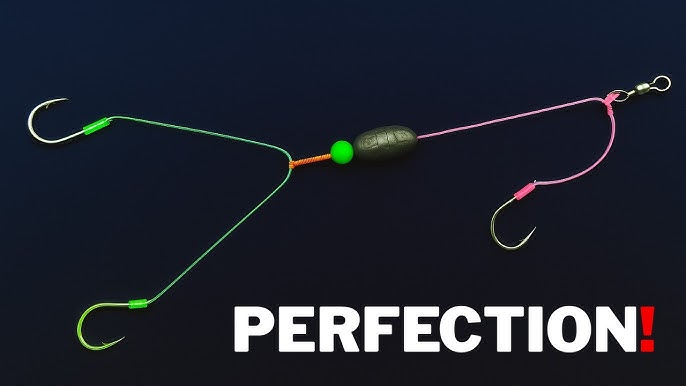
If you want to catch more fish, knowing how to properly put a hook and weight on your fishing line is a must. It might seem tricky at first, but once you get the hang of it, your fishing trips will become much more successful and enjoyable.
In this guide, you’ll discover simple, step-by-step tips that anyone can follow. Whether you’re a beginner or just need a quick refresher, you’ll learn how to set up your line so it works perfectly every time. Keep reading, and soon you’ll be ready to reel in your next big catch with confidence.
Choosing The Right Hook
Choosing the right hook is important for fishing success. The hook must fit the type of fish and bait you use. A good hook helps catch fish without hurting the bait.
There are many hook types, sizes, and materials. Learning about these will help you pick the best hook for your fishing line.
Types Of Fishing Hooks
Different hooks work for different fishing styles and fish. Some hooks hold bait better, while others are easier to set.
- J-Hooks: Classic shape, good for many fish types.
- Circle Hooks: Designed to hook fish in the mouth corner.
- Treble Hooks: Three hooks joined, used for lures.
- Siwash Hooks: Long shank, good for replacing treble hooks.
- Bait Holder Hooks: Have barbs to hold bait firmly.
Selecting Hook Size
Hook size matters for the fish you want to catch. Small hooks suit small fish and delicate bait. Large hooks fit big fish and bigger bait.
| Hook Size | Best For |
|---|---|
| Size 10-12 | Small fish like panfish and trout |
| Size 6-8 | Medium fish like bass and walleye |
| Size 1-4 | Large fish like catfish and pike |
| 1/0 to 5/0 | Very large fish and saltwater species |
Material And Coating Options
Hooks come in different materials and coatings. These affect strength and rust resistance.
- High-carbon steel: Strong and sharp, may rust if not coated.
- Stainless steel: Rust resistant, good for saltwater fishing.
- Nickel coated: Adds rust protection and shine.
- Black nickel: Reduces glare and improves stealth.
- Teflon coated: Smooth surface helps hook set better.

Credit: www.reddit.com
Selecting The Proper Weight
Choosing the right weight for your fishing line helps you cast better. It also helps your bait sink properly and attract fish.
Using the wrong weight can make fishing harder. Learn about different weights to improve your fishing experience.
Different Weight Types
Fishing weights come in many shapes and sizes. Each type works best for certain fishing styles and conditions.
- Split Shot: Small and easy to attach on the line.
- Egg Sinkers: Shaped like eggs, they slide on the line.
- Bullet Weights: Pointed shape for casting and hiding in weeds.
- Bank Sinkers: Heavier, good for strong currents.
- Pyramid Sinkers: Lock into sandy or muddy bottoms well.
Matching Weight To Fishing Conditions
Match the weight to the water type and weather. This helps your bait stay in the right place.
Light weights work well in calm water. Heavy weights help in strong currents or deep water.
- Calm water: Use light weights to avoid scaring fish.
- Fast currents: Use heavier weights to hold bait in place.
- Deep water: Use weights that sink quickly to reach fish.
- Weedy areas: Use bullet weights to slide through plants.
Weight Size And Fish Species
Choose weight size based on the fish you want to catch. Bigger fish often need heavier weights.
Small fish need light weights to avoid spooking them. Heavy weights help catch strong, large fish.
| Fish Species | Recommended Weight Size |
|---|---|
| Trout | Light (1/16 to 1/4 oz) |
| Bass | Medium (1/4 to 1 oz) |
| Catfish | Heavy (1 to 3 oz) |
| Salmon | Heavy (1 to 2 oz) |
Preparing Your Fishing Line
Getting your fishing line ready is a key step for a successful fishing trip. You need to ensure that your line is strong and free of twists.
Let’s go through some important steps to prepare your line for the best fishing experience.
Checking Line Strength
Before you start fishing, check the strength of your line. This ensures it can hold the weight of the fish you aim to catch.
- Inspect the line for any visible damage or wear.
- Test the line by pulling it gently to see if it holds firm.
- Replace the line if you notice any weak spots or fraying.
Cutting The Line To Length
Cutting your fishing line to the right length is crucial. It helps in better control and casting.
| Fishing Type | Recommended Line Length |
| Freshwater | 30-50 feet |
| Saltwater | 50-100 feet |
| Fly Fishing | 80-100 feet |
Removing Line Twists
Line twists can reduce casting distance and cause tangles. Removing them is simple and keeps your fishing smooth.

Credit: mysterytacklebox.com
Attaching The Hook
Attaching the hook to the fishing line is an important skill. A strong connection keeps the hook from coming loose.
Using the right knot and tying it correctly helps catch more fish. It also protects the fishing line from breaking.
Common Knot Types
Several knots work well for tying a hook to the fishing line. Each knot has its own strength and ease of use.
- Improved Clinch Knot: Easy to tie and very strong.
- Pallet Knot: Good for braided and monofilament lines.
- Loop Knot: Allows the hook to move freely.
Step-by-step Knot Tying
Follow clear steps to tie each knot. Practice makes it easier and faster.
- Thread the line through the hook eye.
- Wrap the line around itself several times.
- Pass the line back through the loop near the hook eye.
- Pull the line tight to secure the knot.
- Trim any extra line close to the knot.
Testing Knot Strength
Testing the knot strength is important before fishing. It stops the line from breaking under pressure.
- Pull the line hard to check if the knot slips.
- Look for any signs of fraying or damage.
- Retie the knot if it feels weak.
- Keep practicing to improve your knot strength.
Adding The Weight
Adding weight to your fishing line helps your bait sink to the right depth. It improves casting distance and keeps the hook steady in the water. Learning how to add the weight correctly is important for better fishing results.
There are different ways to put weights on your line. This guide explains how to slide the weight, secure its position, and use beads and stoppers.
Sliding The Weight Onto The Line
Begin by choosing the right type of weight for your fishing needs. Most weights have a hole in the center, allowing you to slide them onto your fishing line easily. Hold the line steady and push the weight down until it reaches the desired spot near the hook.
Securing Weight Position
To keep the weight from moving along the line, you can use small stoppers or knots. Securing the weight ensures it stays in place during casting and fishing. This control helps keep your bait at the best depth.
- Use a rubber stopper above the weight to hold it.
- Tie a small knot below the weight for extra security.
- Check the weight position regularly to avoid slippage.
Using Beads And Stoppers
Beads act as a buffer between the weight and the knot. Stoppers help limit how far the weight slides along the line. Using beads and stoppers together protects your line and helps control the weight’s movement.
| Item | Purpose |
|---|---|
| Beads | Protect knots from weight impact |
| Rubber Stoppers | Stop weight from sliding too far |
| Split Shot Weight | Adds weight to sink bait |

Credit: mysterytacklebox.com
Final Setup Tips
Preparing your fishing line with the right hook and weight is key for a good catch. Small adjustments can improve how your rig works in the water.
These final setup tips will help you adjust weight placement, check your rig’s balance, and stay safe while fishing.
Adjusting Weight Placement
Place the weight so your bait moves naturally in water. If the weight is too close to the hook, the bait may not look real. If it is too far, casting can become hard.
- Move the weight slightly up or down the line to find the best spot.
- Use smaller weights for shallow water and larger ones for deep water.
- Keep the weight balanced to avoid tangles and improve casting distance.
Checking Overall Rig Balance
Check if your rig sits well in the water and casts smoothly. A balanced rig helps your bait look natural and attracts fish better.
| Check Point | What to Look For |
| Float Position | Should sit upright and stable |
| Weight Size | Enough to cast without sinking too fast |
| Hook Placement | Close enough to bait for natural movement |
Safety Precautions
Fishing safely protects you and others. Always handle hooks and weights carefully to avoid injury.
- Keep hooks covered or in a tackle box when not in use.
- Wear protective glasses to shield your eyes while casting.
- Check your surroundings before casting to avoid hitting anyone.
- Dispose of old or damaged weights and hooks properly.
Frequently Asked Questions
How Do I Attach A Hook To Fishing Line?
To attach a hook, use a reliable knot like the improved clinch knot. Thread the line through the hook eye, wrap it five times, and tighten securely. This ensures a strong, secure connection for effective fishing.
What Weight Should I Use With A Fishing Hook?
Choose weight based on fishing depth and bait type. Lighter weights suit shallow waters and small baits. Heavier weights work better in deep or fast currents. Adjust weight to maintain bait stability and improve casting distance.
Can I Tie A Hook And Weight On The Same Line?
Yes, tie the weight about 12-18 inches above the hook. This setup keeps the bait off the bottom and improves fish visibility. It’s ideal for many freshwater and saltwater fishing techniques.
Why Is Knot Strength Important When Tying Hooks?
Knot strength prevents line breakage when reeling in fish. A strong knot ensures the hook stays secure under tension. Using proper knots reduces lost fish and improves overall fishing success.
Conclusion
Putting a hook and weight on your fishing line is simple with practice. Choose the right hook size for your fish type. Attach the hook securely using a strong knot. Add weight carefully to balance the bait. Too much weight can scare fish away.
Too little weight might not cast far. Check your setup before casting every time. This helps catch more fish and enjoy fishing more. Keep practicing to improve your fishing skills step by step. Fishing gets easier and more fun with each try.