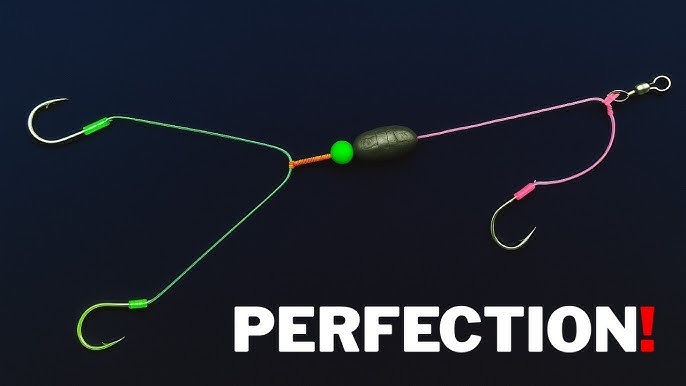
Are you tired of losing fish because your hook and weight aren’t set up right? Getting your fishing line ready with the right hook and weight can make all the difference between a great catch and going home empty-handed.
In this guide, you’ll learn simple, step-by-step tips to attach your hook and weight quickly and securely. By the end, you’ll feel confident and ready to reel in more fish every time you go out. Keep reading to master this essential fishing skill and improve your success on the water!

Credit: www.reddit.com
Choosing The Right Hook
Selecting the right fishing hook is important for a good catch. The hook must fit the type of fish and fishing style.
This guide covers different hook types, sizes, and materials to help you make the best choice for your fishing line.
Types Of Fishing Hooks
Fishing hooks come in many shapes and designs. Each type works best for certain fish and bait.
- J-Hooks: Classic shape, good for many fish species.
- Circle Hooks: Designed to hook fish in the corner of the mouth.
- Trebles: Three hooks joined, used for lures and active fish.
- Octopus Hooks: Short shank, great for live bait.
- Siwash Hooks: Long shank, often used with spoons or spinners.
Matching Hook Size To Fish
Using the right hook size improves your chance to catch fish. Small hooks suit small fish and large hooks suit big fish.
| Fish Size | Hook Size Range |
|---|---|
| Small fish (e.g., Panfish) | 10 to 16 |
| Medium fish (e.g., Bass) | 6 to 10 |
| Large fish (e.g., Catfish) | 1 to 5/0 |
| Very large fish (e.g., Pike, Muskie) | 6/0 to 10/0 |
Materials And Coatings
Hooks come in different metals and coatings. These affect strength, rust resistance, and sharpness.
- High-carbon steel: Strong and sharp but can rust.
- Stainless steel: Rust-resistant and durable.
- Bronze hooks: Good for saltwater fishing.
- Black nickel coating: Helps prevent rust and glare.
- Teflon coating: Reduces friction for better hook sets.
Selecting The Proper Weight
Choosing the right weight for your fishing line helps your hook sink properly. It also improves casting distance and bait presentation.
The correct weight depends on the type of water, fishing method, and fish you want to catch. Picking the right one makes fishing easier and more fun.
Different Types Of Weights
Fishing weights come in several shapes and materials. Each type works best in certain fishing situations.
- Split Shot: Small round weights that clip onto the line easily.
- Egg Sinkers: Oval-shaped weights that let the line slide through.
- Bullet Weights: Slim and pointed, good for fishing in weeds.
- Bank Sinkers: Heavier with a flat bottom, used in strong currents.
- Pyramid Sinkers: Shaped like pyramids, they hold well in sandy bottoms.
Weight Sizes And Their Uses
Weight sizes vary from very light to heavy. Use light weights in calm water and heavy weights in fast water.
Small weights work well for small fish and delicate bait. Large weights help cast far and hold the bait in place.
| Weight Size | Use |
|---|---|
| 1/16 oz to 1/8 oz | Light tackle and small fish in calm water |
| 1/4 oz to 1/2 oz | Medium fish and moderate currents |
| 3/4 oz to 2 oz | Heavy tackle and strong currents |
Balancing Weight With Bait
Match the weight to the size and type of your bait. Too much weight can make the bait sink too fast or look unnatural.
Use enough weight to keep the bait near the bottom but still allow it to move naturally in the water.
- Light bait needs lighter weight for better movement.
- Heavier bait can use more weight to sink properly.
- Adjust weight if fish show little interest in your bait.
Preparing The Fishing Line
Preparing the fishing line is important before adding a hook and weight. It helps ensure the line is strong and ready for fishing.
This guide covers choosing the right line, measuring it, and avoiding twists that can weaken it.
Line Strength And Material
Pick a fishing line that matches the type of fish you want to catch. Lines come in different materials like monofilament, fluorocarbon, and braided lines.
- Monofilament is stretchy and easy to handle.
- Fluorocarbon is less visible underwater and more resistant to abrasion.
- Braided lines are very strong and thin but can be more visible in clear water.
Measuring And Cutting Line
Measure the right length of line for your fishing needs. Cut the line carefully to avoid fraying.
| Fishing Type | Line Length |
| Freshwater | 50-100 feet |
| Saltwater | 100-200 feet |
| Fly Fishing | 30-50 feet |
Preventing Line Twist
Line twist can cause tangles and weak spots. Use these tips to keep your line straight.
- Use a swivel between the main line and the hook or weight.
- Let the line out smoothly when casting.
- Check and untwist the line regularly while fishing.
- Avoid reeling in the line too fast.

Credit: mysterytacklebox.com
Attaching The Hook To The Line
Attaching the hook to the fishing line is a key skill for fishing. A strong connection helps keep fish on the line.
Using the right knot makes your setup safer and more effective. It also prevents the line from breaking.
Popular Knot Techniques
Many knots work well for tying hooks. Some knots are easier to tie. Others hold better under pressure.
- Improved Clinch Knot: Simple and strong for most hooks
- Pallet Knot: Great for bigger hooks and heavy lines
- Uni Knot: Versatile and good for different line types
Step-by-step Knot Tying
Tying a knot correctly takes practice. Follow clear steps to avoid mistakes.
- Pass the line through the hook eye twice.
- Wrap the tag end around the main line five to seven times.
- Thread the tag end back through the loop near the eye.
- Moisten the knot to reduce friction.
- Pull both ends slowly to tighten the knot.
- Trim the extra tag end close to the knot.
Testing Knot Strength
Always check your knot before fishing. A weak knot can break and lose your catch.
Pull the line hard to test if the knot holds firm. If it slips or loosens, tie it again.
Adding Weight To The Line
Adding weight to your fishing line helps your bait reach the right depth. It also improves casting distance and accuracy. Choosing the right method to add weight is important.
This guide explains how to add weight by using sliding or fixed weights. It also covers the best places to put weights and how to secure them safely.
Sliding Vs Fixed Weights
Sliding weights move freely on the line. They let fish bite without feeling much resistance. Fixed weights stay in one place on the line. They help in strong currents or when you want a steady depth.
- Sliding weights:Good for sensitive bites.
- Fixed weights:Better for fast water or deep fishing.
- Weight types:Split shot, egg sinkers, or bullet weights.
Placing Weight For Optimal Casting
Put weight in the right spot for a smooth cast. Too close to the hook can scare fish. Too far away may cause tangles. Place the weight about 12 to 18 inches from the hook for balance.
| Weight Type | Distance from Hook | Use Case |
| Sliding sinker | 12-18 inches | Deep water fishing |
| Fixed split shot | 6-12 inches | Shallow water or slow currents |
| Bullet weight | 12-18 inches | Long casts and heavy cover |
Securing Weights Properly
Fix the weight tightly to avoid sliding when not wanted. Use pliers to pinch split shot weights gently. Do not crush the line. Check weights before casting to prevent loss.
- Pinch split shot firmly but gently
- Use rubber stops if needed for sliding weights
- Check weight tightness regularly
- Replace damaged weights promptly
Tips For Effective Setup
Putting a hook and weight on a fishing line is important for a good catch. The right setup helps your bait stay in the water at the correct depth.
Follow simple steps to tie your hook and add weight. This will make your fishing easier and more fun.
Adjusting For Different Fishing Conditions
Water type and weather change how you set your line. Use lighter weights in calm water. Use heavier weights in strong currents.
Change hook size based on the fish you want. Smaller hooks work for small fish. Bigger hooks help catch large fish.
- Use light weights for still water
- Use heavy weights for fast water
- Pick hook size for target fish
- Adjust line length for fishing depth
Avoiding Common Mistakes
Do not tie the hook too close to the weight. This can make the bait look unnatural. Leave some space for the bait to move freely.
Check your knots to avoid losing fish. Use strong knots and pull tight. Avoid using damaged or old lines.
- Leave space between hook and weight
- Use strong, tight knots
- Replace old or worn fishing line
- Check your setup before fishing
Maintaining Your Tackle
Clean your hook and weights after each use. Salt and dirt can cause rust and damage. Dry them well before storage.
Store your fishing gear in a dry place. Organize hooks and weights separately. This helps keep your tackle ready for your next trip.
- Rinse hooks and weights with fresh water
- Dry gear completely before storing
- Keep tackle in a dry, organized box
- Check gear regularly for damage

Credit: mysterytacklebox.com
Frequently Asked Questions
How Do I Attach A Hook To Fishing Line?
To attach a hook, thread the line through the eye of the hook. Tie a secure knot like the improved clinch knot. Trim excess line to avoid tangles. This ensures a strong connection for effective fishing.
What Is The Best Knot For Hooks And Weights?
The improved clinch knot is ideal for tying hooks and weights. It is strong, easy to tie, and reliable. This knot holds well under tension, ensuring your tackle stays secure during casting and catching.
Where Should I Place The Weight On The Fishing Line?
Place the weight 6 to 12 inches above the hook. This setup helps the bait sink naturally and attracts fish effectively. Adjust the distance based on water depth and fishing conditions for best results.
Can I Use The Same Knot For Hooks And Weights?
Yes, you can use the improved clinch knot for both. It provides a secure hold on hooks and weights. Using the same knot simplifies setup and ensures consistency in your fishing rig.
Conclusion
Putting the hook and weight on your fishing line is simple and important. Correct setup helps your bait sink and stay steady. This attracts more fish and improves your catch chances. Practice tying knots and attaching weights to feel confident.
Remember, patience and practice make fishing more fun. Keep your gear ready and enjoy every fishing trip. Small steps lead to better results on the water. Try these tips next time you fish. You will notice the difference.