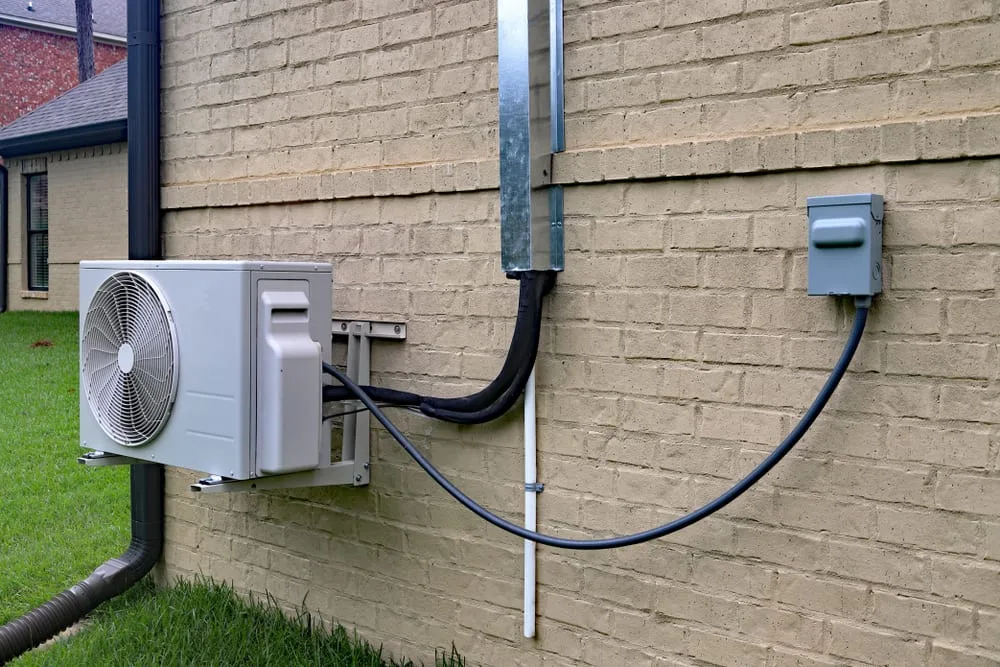
Are you tired of sweating through hot days and restless nights? Installing your own air conditioner can be the game-changer you need to stay cool and comfortable.
But where do you start? Don’t worry—putting in an air conditioner might seem tricky, but with the right steps, you can do it yourself and save money. In this guide, you’ll discover simple, clear instructions that anyone can follow. By the end, you’ll know exactly how to get your space feeling fresh and cool.
Ready to beat the heat? Let’s dive in!
Choosing The Right Air Conditioner
There are several types of air conditionersto choose from. Window units fit into a window frame. Portable units can be moved around easily. Split systems have an indoor and outdoor unit. Each type suits different room sizes and needs.
Choosing the right sizematters a lot. A small unit won’t cool well. A large unit wastes energy. Measure the room size in square feet. Use this to find the right cooling capacity, usually shown in BTUs.
| Room Size (sq ft) | Recommended BTUs |
|---|---|
| 100 – 300 | 5,000 – 6,000 |
| 300 – 500 | 7,000 – 8,000 |
| 500 – 800 | 10,000 – 12,000 |
Energy efficiency ratingshelp save money. Look for units with a high SEER or EER rating. These use less power but cool just as well. This means lower electric bills and a smaller carbon footprint.
Gathering Tools And Materials
Gathering the right toolsand materialsis key before installation. Use a tape measureto check window size. A screwdriverhelps secure the unit. You will also need a levelto keep the air conditioner straight. A drillmakes holes for screws easier to make.
Wear safety gearlike gloves and goggles. This protects your hands and eyes from sharp edges and dust. A sturdy ladder is important if your window is high.
Additional supplies include weather strippingto seal gaps. Use foam insulationto block air leaks. A power cordextension might be needed if the plug is far from the window.
Preparing The Installation Site
Choose a spot with good airflowand easy accessto the outside. Avoid places near heat sources or direct sunlight. Make sure the wall or window can support the weight of the unit.
Use a tape measure to find the exact size needed for the air conditioner. Mark the spot clearly with a pencil or tape. Check that there is enough space around for ventilationand drainage.
Remove any furniture, plants, or obstaclesnear the installation area. Clear the floor and wall to prevent damage or accidents. Keep the area clean for easier work and better results.

Credit: www.goodhousekeeping.com
Installing The Air Conditioner
Secure the mounting bracketfirmly on the window frame or wall. Use a level to make sure it is straight. The bracket must support the air conditioner’s weight. Use screws and anchors for a strong hold. Check that the bracket does not wobble.
Place the air conditioner on the bracket carefully. The unit should fit snuglyinto the frame. Make sure the unit tilts slightly outsideto let water drain. Avoid gaps that let air escape.
Seal gaps around the unit with weatherproof caulkor foam. Use insulation stripsto fill spaces in the window frame. This prevents air leaks and keeps the room cool. Check for cracks or holes and cover them well.
Electrical Connections
Power requirementsfor air conditioners vary by model. Check the unit’s label for voltage and amperage needs. Most window units run on standard 110-120 volts, while larger units may need 220-240 volts. Ensure your home’s circuit can handle the load to avoid tripping breakers.
Wiring the unitmust follow local electrical codes. Use the right gauge wire to prevent overheating. Connect the wires to the unit’s terminal block carefully. The ground wire is very important for safety. Secure all connections tightly to avoid shorts.
Testing the connectionis essential before finishing installation. Turn on the power and check if the unit starts without issues. Listen for unusual sounds and check for proper cooling. Use a voltage tester to confirm the correct power flow. If everything works, the electrical setup is done.

Credit: thelenmechanical.com
Finishing Touches
Secure the unitby tightening all screws and bolts firmly. Make sure the air conditioner is stable and does not move. Check the seal around the edges to stop air leaks. Use weather stripping or caulk if needed to fill gaps.
Clean the areaaround the air conditioner. Remove dust, debris, and tools. Wipe down the unit to keep it neat. This helps it work better and last longer.
For the first test, plug in the unit and turn it on. Listen for unusual sounds. Check if cool air flows from the vents. Adjust the settings to make sure it works properly. Watch for any water leaks or vibrations.
Maintaining Your Air Conditioner
Regular cleaning keeps your air conditioner working well. Dirt and dust block airflow and reduce cooling. Clean the filters and coils every month. Use a soft brush or cloth to wipe the outside parts. Avoid water on electrical parts. This helps the air conditioner last longer.
Filters need to be replaced often. Dirty filters lower air quality and make the unit work harder. Change filters every 1-3 months depending on use. Check the filter size before buying a new one. This keeps the air fresh and the system efficient.
| Troubleshooting Issue | Possible Cause | Simple Fix |
|---|---|---|
| AC Not Cooling | Dirty filter or low refrigerant | Clean filter or call a technician |
| Strange Noise | Loose parts or debris | Check and tighten parts, remove debris |
| Water Leaking | Clogged drain pipe | Clear the drain or use a vacuum |

Credit: www.youtube.com
Frequently Asked Questions
How Do I Choose The Right Air Conditioner Size?
Choosing the right air conditioner size depends on your room’s square footage. Measure your room and consult a BTU calculator. This ensures efficient cooling and energy use. A unit too small or too large can lead to inefficiency and higher energy bills.
What Tools Are Needed For Installation?
You’ll need a screwdriver, measuring tape, level, and a drill for installation. Safety goggles and gloves are recommended. Having all tools ready ensures a smooth installation process. Check the air conditioner manual for any additional tools specific to your model.
Can I Install An Air Conditioner Myself?
Yes, you can install it yourself with proper tools and guidance. Follow the manufacturer’s instructions carefully. Some models require professional installation. If unsure, consider hiring a professional to ensure safety and efficiency.
How Do I Ensure Proper Insulation?
Ensure a tight seal around the unit using weatherstripping or foam. This prevents air leaks and enhances efficiency. Proper insulation keeps the room cool and reduces energy costs. Regularly check and maintain the seal for optimal performance.
Conclusion
Installing an air conditioner can make your home cooler and more comfortable. Follow the steps carefully to avoid mistakes. Take your time and check each part before moving on. Safety matters a lot, so use the right tools and wear protection.
Once done, test the unit to ensure it works well. Regular maintenance helps keep your air conditioner running smoothly. Enjoy the cool air and relax in your fresh space. Simple steps lead to great results.