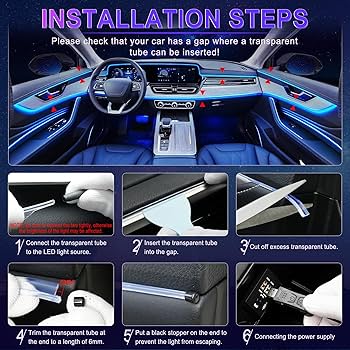
Are you ready to transform your car’s look with bright, energy-saving LED lights? Installing LED lights in your car is easier than you think, and it can make a huge difference in both style and safety.
Whether you want to upgrade your headlights, interior lighting, or add cool accent lights, this guide will walk you through every step. By the end, you’ll have the confidence and know-how to light up your ride like a pro. Keep reading, and let’s get started on giving your car that modern, eye-catching glow!
Choosing The Right Led Lights
Adding LED lights to your car can improve its look and visibility. Picking the right LED lights is important for safety and style.
This guide will help you understand the types of LED lights, their brightness, colors, and if they fit your vehicle.
Types Of Led Lights For Cars
There are many LED light types for cars. Each type has a special use and look.
- Headlight LEDs: Bright lights for night driving
- Fog Light LEDs: Help you see in fog and rain
- Interior LEDs: Light up your car’s inside
- Strip LEDs: Add color or accent lighting outside or inside
- Brake and Signal LEDs: Show your moves to other drivers
Brightness And Color Options
LED lights come in different brightness levels and colors. Choose what fits your needs and local laws.
- Brightness is measured in lumens. More lumens mean brighter lights.
- White light is common for headlights and interior lights.
- Colored lights like red, blue, or amber are for signals and accents.
- Check brightness limits to avoid blinding other drivers.
Compatibility With Your Vehicle
Not all LED lights fit every car. Check your vehicle’s make and model before buying.
Use your car manual or online guides to find the right size and type of LED bulb for your car.
- Check bulb size and shape for headlights and taillights.
- Look at voltage and power needs to match your car’s system.
- Some cars need adapters to use LED lights.
- Make sure LEDs work with your car’s wiring and controls.
Credit: www.jaginfo.org
Tools And Materials Needed
Installing LED lights in your car can improve visibility and aesthetics. You need the right tools and materials to do it safely and correctly.
This guide covers the basic tools, safety gear, and extra items you might need.
Basic Tools For Installation
To start, gather these essential tools for a smooth installation process.
- Screwdriver set
- Wire cutter and stripper
- Electrical tape
- Multimeter
- Socket wrench
Safety Equipment
Safety is important when working with electrical components. Use the following safety equipment to protect yourself.
Ensure your safety with:
- Protective gloves
- Safety goggles
- Insulated tools
Additional Accessories
These accessories can help enhance your LED light installation.
| Accessory | Purpose |
| Zip ties | Organize and secure wires |
| Heat shrink tubing | Insulate wire connections |
| LED light strips | Customizable lighting |
Preparing Your Car
Installing LED lights in your car needs careful preparation. This makes sure the work is safe and clean. You will need to get your car ready before starting.
Start by cleaning the area where you want to install the lights. Then, disconnect the battery to avoid any electrical issues. Finally, remove any old lights that you want to replace.
Cleaning The Installation Area
Cleaning the place where you will put the LED lights helps them stick better. Dirt and grease can stop the light from fitting well.
- Use a soft cloth to wipe off dust and dirt
- Apply rubbing alcohol to remove grease
- Let the area dry completely before working
- Check for any damage or cracks on the surface
Disconnecting The Battery
Disconnecting the car battery stops electric shocks and damage. It is important for your safety and the car’s electronics.
| Tools Needed | Steps |
| Wrench or socket set | Open the hood and locate the battery |
| Protective gloves | Loosen the negative (black) terminal first |
| Then loosen the positive (red) terminal | |
| Remove the cables carefully and set aside |
Removing Existing Lights
Removing old lights lets you install LEDs in the right place. It also prevents damage to the new lights.
- Open the car hood or trunk to access the lights
- Remove screws or clips holding the light assembly
- Gently pull out the old light unit
- Disconnect the wiring harness from the old light
- Check the area for any broken parts or dirt
Installing Led Lights
Adding LED lights to your car can improve visibility and style. This guide explains how to install them safely and correctly.
Follow these steps to connect, mount, and test your new LED lights. Make sure to work carefully to avoid damage.
Wiring And Connections
Start by disconnecting the car battery to avoid electric shock. Use a wiring diagram to find the right wires for power and ground.
Connect the LED wires to the car’s electrical system using connectors or solder. Insulate connections with electrical tape or heat shrink tubes.
- Identify positive and negative wires
- Use a fuse to protect the circuit
- Secure all connections to prevent shorts
Mounting The Lights Securely
Choose a flat, clean surface for mounting the LED lights. Clean the area to remove dirt and grease before installation.
Use mounting brackets, screws, or strong adhesive tape to fix the lights in place. Make sure they do not move while driving.
- Check that the lights aim in the right direction
- Keep wires hidden and away from moving parts
- Test the strength of the mount by gently pulling
Testing The Installation
Reconnect the car battery and turn on the LED lights. Check that all lights work and glow evenly without flickering.
Inspect the wiring for heat or loose connections. Drive the car slowly to confirm the lights stay secure and functional.
- Test lights in different modes if available
- Look for any signs of electrical issues
- Adjust the lights if the beam is not correct
Customizing Your Setup
Adding LED lights to your car lets you make it look unique. Customizing your setup helps you get the style you want.
There are many ways to control and change your LED lights. You can add controllers, adjust angles, and create different light patterns.
Adding Controllers And Remotes
Controllers let you turn your LED lights on and off easily. Some come with remotes for wireless control from inside your car.
Using a controller helps you switch colors and modes without touching the lights directly. It makes your setup more flexible.
- Choose a controller that fits your LED type
- Check if the remote has good range
- Install the controller in an easy-to-reach place
- Use apps if your controller supports smartphone control
Adjusting Light Angles
Set your LED lights at angles that highlight your car’s best features. Proper angles improve visibility and style.
Try different positions before fixing the lights. Small changes can create big effects on how the lights look.
- Point lights toward areas you want to highlight
- Avoid angles that blind other drivers
- Use adjustable mounts if possible
- Check lights at night to see the real effect
Creating Light Patterns
Light patterns make your LED setup more fun and unique. You can make lights flash, fade, or change colors in order.
Some controllers let you program patterns. Pick patterns that match your style and mood.
- Use slow fades for a calm look
- Try flashing lights for attention
- Mix colors for a cool effect
- Set patterns that change automatically
Troubleshooting Common Issues
Installing LED lights in your car can improve visibility and style. Still, some common problems can occur. Knowing how to fix these issues helps keep your lights working well.
This guide covers fixing flickering lights, wiring problems, and replacing faulty parts. Follow these tips to solve common LED light troubles.
Fixing Flickering Lights
Flickering LED lights can be annoying and unsafe. This usually happens because of loose connections or power issues. Check your light connections first.
- Make sure all plugs are tight and clean
- Check the battery voltage for stability
- Use a resistor if the flicker is due to power fluctuations
- Inspect the switch controlling the lights
Handling Wiring Problems
Wiring problems can cause your LED lights to stop working or behave oddly. Look for broken wires or bad connections. Repair or replace damaged wires.
| Common Wiring Issue | Signs | Fix |
|---|---|---|
| Loose connections | Intermittent light operation | Tighten connectors and clean contacts |
| Damaged wires | Lights do not turn on | Replace or splice wires properly |
| Wrong wiring | Lights blow fuses or short circuit | Check wiring diagram and correct setup |
Replacing Faulty Components
If parts of your LED light setup fail, replace them quickly. Common faulty parts include bulbs, resistors, and connectors. Use parts that match your car’s specifications.
- Remove the damaged bulb or component carefully
- Buy a replacement with the same rating and size
- Install the new part and test the lights
- If unsure, consult a professional for help
Maintaining Your Led Lights
LED lights in your car need care to work well for a long time. Regular maintenance keeps them bright and safe.
Simple steps can help you protect your LED lights from damage and wear. Keep them clean and check often.
Cleaning Tips
Clean your LED lights regularly to remove dirt and dust. Use a soft cloth and mild soap with water.
Avoid strong chemicals or rough materials. They can scratch or damage the light covers.
- Turn off lights before cleaning
- Use a microfiber cloth
- Dry lights gently after washing
Regular Inspections
Check your LED lights often for cracks or moisture inside. Early finds stop bigger problems.
Test your lights to make sure all bulbs work. Replace any that are dim or flickering.
- Look for broken seals or cracks
- Watch for dim or flickering LEDs
- Check wiring connections
Extending Light Lifespan
Use your LED lights properly to help them last longer. Avoid leaving them on when not needed.
Keep the light housing dry and secure. Moisture and vibration can shorten LED life.
- Turn off lights when parked
- Seal the light covers tightly
- Fix loose parts quickly

Credit: www.youtube.com

Credit: www.chevymalibuforum.com
Frequently Asked Questions
How Do I Install Led Lights In My Car Interior?
To install LED lights inside your car, first choose the right LED kit. Clean the surface, attach the LED strips, and connect them to a power source. Use the car’s 12V battery or fuse box for power. Secure wires neatly to avoid damage or interference.
Can I Install Led Lights Without Professional Help?
Yes, installing LED lights is doable without experts. Follow the instructions carefully, use proper tools, and ensure connections are secure. Basic electrical knowledge helps, but many LED kits come with easy guides. Always disconnect the battery before starting to avoid short circuits.
What Is The Best Location For Car Led Lights?
Common spots for LED lights include footwells, under seats, and along door panels. These locations enhance ambiance without distracting the driver. You can also install them around the dashboard or trunk for added style and visibility.
Are Led Lights Safe For Cars?
LED lights are generally safe when installed correctly. They consume less power and produce less heat than traditional bulbs. Proper wiring prevents electrical issues. Always use LED kits designed for automotive use to ensure safety and compliance.
Conclusion
Installing LED lights in your car can brighten your ride and save energy. Follow the steps carefully for a safe and neat setup. Double-check connections to avoid any issues. Choose the right LED lights that fit your car’s style. Take your time and enjoy the process.
A well-lit car looks great and drives safer at night. Try it yourself and see the difference LED lights make.