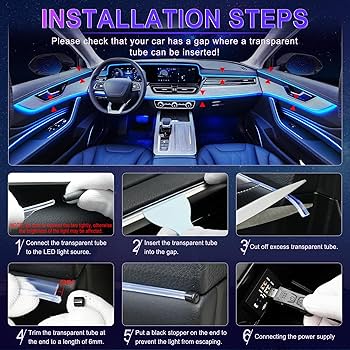
Have you ever wanted to give your car a fresh, cool look that turns heads wherever you go? Adding LED lights to your car is one of the easiest and most exciting ways to do just that.
Whether you want a subtle glow inside or vibrant colors that make your car stand out at night, this guide will show you exactly how to put LED lights in your car step by step. By the end, you’ll have the confidence to light up your ride and enjoy a whole new driving experience.
Ready to transform your car? Let’s dive in!
Choosing The Right Led Lights
Adding LED lights to your car can improve its look and safety. Picking the right type of LED light is important. You need to think about style, brightness, and color.
This guide will help you choose the best LED lights for your car. We will cover types, colors, and power needs.
Types Of Led Lights For Cars
There are several LED light types made for cars. Each type fits different uses and styles. Common types include:
- Strip lights that can be placed under the car or inside
- Bulb replacement LEDs for headlights and taillights
- Spotlights for extra bright focused light
- Decorative LED pods for style and accent lighting
Color Options And Effects
LEDs come in many colors and effects. You can pick colors to match your car’s theme or for visibility. Popular colors include white, blue, red, and green. Some lights offer changing colors or flashing modes.
| Color | Common Use | Effect |
|---|---|---|
| White | Headlights, interior | Bright, clean look |
| Blue | Accent lighting | Cool, modern style |
| Red | Brake lights, rear | Warning, safety |
| Green | Interior, accents | Unique, calm |
Brightness And Power Considerations
LED brightness is measured in lumens. Bright lights improve visibility but use more power. You must match your car’s electrical system to avoid damage. Also, check if the lights need special wiring or fuses.
- Check the lumen rating for each light
- Compare power usage to your car’s battery limits
- Use LED lights with proper voltage (usually 12V)
- Consider professional installation for complex setups

Credit: www.youtube.com
Preparing Your Car
Before installing LED lights in your car, you need to prepare your vehicle properly. This helps the lights stick well and work safely.
Preparation includes cleaning surfaces, gathering tools, and following safety steps to avoid damage.
Cleaning And Drying Surfaces
Clean the areas where you will place the LED lights. Dirt and dust stop the lights from sticking firmly.
- Use a soft cloth with soap and water to wipe the surface.
- Remove any grease or wax with rubbing alcohol.
- Dry the surface completely with a clean towel.
- Check for any moisture before applying the lights.
Gathering Necessary Tools
Have all the tools ready before you start. This saves time and makes installation easier.
| Tool | Purpose |
|---|---|
| LED light strips | Main lighting source to install |
| Cleaning cloth | Clean and dry surfaces |
| Rubbing alcohol | Remove grease and dirt |
| Electrical tape | Secure wiring connections |
| Wire cutters | Trim wires if needed |
| Screwdriver | Open panels if necessary |
| Zip ties | Organize and hold cables |
Safety Precautions
Safety is important to avoid injury or damage to your car’s electrical system.
- Disconnect the car battery before starting work.
- Wear gloves to protect your hands.
- Keep tools away from moving parts.
- Do not install lights while the engine is running.
- Work in a well-lit area to see clearly.
Installing Interior Led Lights
Adding LED lights inside your car can improve visibility and style. It is easy to do with a few tools and simple steps.
Follow these tips to install LED lights safely and correctly inside your vehicle.
Locating Power Sources
Find a power source that turns on with your car. The fuse box or cigarette lighter are good options.
Use a multimeter to check voltage and make sure it is safe. Avoid power sources that stay on all the time.
- Check fuse box for switched power
- Test cigarette lighter socket
- Use ignition power for automatic on/off
- Avoid battery direct power without a switch
Mounting Led Strips
Clean the surface where you want to place the LED strips. Dirt can stop the adhesive from sticking well.
Peel the backing and press the strips firmly. Use clips or zip ties if needed for extra support.
- Choose flat, dry surfaces inside the car
- Clean with rubbing alcohol before mounting
- Press LED strips firmly for strong hold
- Use extra fasteners if strips don’t stick
Connecting Wiring
Connect the LED wires to the power source using wire connectors or soldering. Match positive and negative wires carefully.
Secure all wiring with electrical tape and keep wires away from moving parts. Test the lights before finalizing the installation.
- Match positive (red) and negative (black) wires
- Use wire connectors or solder joints
- Wrap connections with electrical tape
- Keep wires clear of pedals and seats
- Test lights before finishing installation

Credit: www.youtube.com
Installing Exterior Led Lights
Adding LED lights to your car’s exterior can improve visibility and style. Proper installation ensures they work well and last long.
Follow these tips to choose the right spots, secure the lights, and protect them from weather damage.
Choosing Installation Spots
Pick places on your car that are visible and flat. Avoid areas that get very hot or have moving parts.
- Near headlights or fog lights for added brightness
- Under the side mirrors to light the ground
- Along the car’s lower edges for style and safety
- Around the rear bumper to improve brake light visibility
Securing The Lights
Use strong mounts or brackets to hold the LED lights firmly in place. Make sure they do not move when you drive.
- Clean the surface where you will attach the lights.
- Use screws or adhesive mounts made for automotive use.
- Check that all wires are tight and safe from damage.
- Test the lights before finishing the installation.
Waterproofing And Protection
Protect your LED lights from rain and dirt to keep them working well over time.
| Method | Description |
| Silicone Sealant | Use around edges to block water |
| Heat Shrink Tubing | Cover wire connections to prevent moisture |
| Protective Covers | Install clear covers to shield lights from debris |
| Regular Cleaning | Remove dirt and check seals monthly |
Wiring And Power Setup
Installing LED lights in your car needs a good wiring and power setup. Proper wiring keeps the lights safe and working well.
You must connect the lights correctly to power sources. This helps avoid damage and keeps your car’s electrical system safe.
Using Fuse And Relay
Use a fuse to protect the LED lights from power surges. The fuse breaks the circuit if the current is too high.
A relay helps control the power flow to the lights. It uses a low power signal to switch the higher power needed by the LEDs.
- Choose a fuse with the correct amperage rating for your LEDs
- Install the fuse close to the power source
- Use a relay with a matching voltage rating
- Connect the relay coil to the car’s switch or control circuit
- Wire the relay contacts to the LED power line
Connecting To Car Battery
Connect LED lights to the car battery for steady power. Use the positive battery terminal with a fuse in between.
Make sure to connect the ground wire to the car’s metal body. This completes the electrical circuit for your LEDs.
- Turn off the car before starting the connection
- Use proper gauge wire for the LED current
- Attach the positive wire to the battery via a fuse
- Secure the negative wire to a clean metal surface
- Check all connections for tightness and safety
Managing Wire Routing
Route wires carefully to avoid damage from heat and moving parts. Use wire clips or ties to keep wires neat.
Keep wires away from sharp edges and hot engine parts. Proper routing prevents shorts and extends wire life.
- Plan the wire path before installation
- Use protective sleeves or conduit for extra safety
- Secure wires with clips or zip ties
- Keep wires clear of pedals and steering parts
- Test the lights before finalizing the wiring
Testing And Adjusting Lights
After installing LED lights in your car, testing them is important. This step ensures the lights work safely and look good.
Adjusting the brightness and colors helps you get the perfect lighting effect. You should also fix any problems early.
Checking Light Functionality
Turn on your car’s power to check if all LED lights light up. Watch for any lights that stay off or flicker.
Make sure each light responds to controls like switches or remotes. Test all modes if your lights have different settings.
Adjusting Brightness And Colors
Use the remote or app to change the brightness. Start with low light and increase until you find a good level.
Try different colors to see which looks best inside your car. Some LED kits let you pick fixed or changing colors.
- Lower brightness for night driving
- Higher brightness for show or daytime
- Choose cool colors for a modern look
- Pick warm colors for a cozy feel
Troubleshooting Common Issues
If some lights do not turn on, check the wiring connections. Loose wires can cause power loss to lights.
Flickering lights may mean a weak connection or low battery power. Tighten connections or charge the battery.
- Check fuses if no lights work
- Replace bulbs if some LEDs fail
- Use a multimeter to test voltage
- Reset controllers if colors do not change
Maintaining Led Lights
Keeping your car’s LED lights in good shape helps them work longer. Proper care prevents problems and keeps lights bright.
Learn simple ways to clean, replace, and extend the life of your LED light strips.
Cleaning Tips
Clean LED lights regularly to remove dirt and dust. Use a soft cloth and mild cleaner to avoid damage.
- Turn off the lights before cleaning
- Use a microfiber cloth for wiping
- Apply a small amount of gentle cleaner
- Avoid water getting into the light connections
- Dry the lights completely after cleaning
Replacing Damaged Strips
Check your LED strips for damage like cracks or flickering. Replace damaged strips to keep your car safe and bright.
| Damage Type | Signs | Replacement Advice |
| Cracks | Visible breaks on strip | Replace entire strip |
| Flickering | Lights turn on/off quickly | Check connections or replace |
| Burnt-out LEDs | Dark spots on strip | Replace affected section |
Extending Lifespan
Follow these tips to make your LED lights last longer and keep them working well.
- Use the correct voltage to avoid damage.
- Keep wiring secure and free from moisture.
- Turn off lights when not in use.
- Inspect lights regularly for wear.
- Store extra strips in a cool, dry place.
Credit: www.santacruzforums.com
Frequently Asked Questions
How Do I Install Led Lights In My Car Interior?
First, choose suitable LED strips for your car. Clean the surface before applying. Connect the strips to a power source, usually the fuse box or cigarette lighter. Secure wires neatly and test the lights before finalizing installation.
What Tools Are Needed For Car Led Light Installation?
You will need LED strips, wire cutters, electrical tape, a fuse tap, a screwdriver, and a multimeter. These tools help ensure safe and effective installation, preventing damage and ensuring proper connections.
Can Led Lights Damage My Car’s Electrical System?
If installed correctly, LED lights won’t damage your car’s electrical system. Use proper wiring, fuses, and avoid overloading circuits. Always follow manufacturer instructions and consider professional help for complex setups.
Are Led Lights Legal For Use In Cars?
LED lights are legal for interior use, but exterior colors and placements may be regulated. Check local laws to avoid fines. Typically, white or amber LEDs are allowed for front, red for rear.
Conclusion
Installing LED lights in your car can transform your driving experience. They offer better visibility and a modern look. Plus, they’re energy-efficient and last longer. Follow the steps carefully to ensure safety. Choose the right type and color for your needs.
Remember, it’s important to check compatibility with your car. LED lights can make your vehicle stand out. They’re a smart choice for any car enthusiast. Enjoy the enhanced ambiance and improved lighting. With these tips, you can easily upgrade your car’s lighting.
Happy driving with your new LED lights!