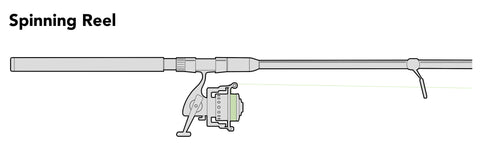
If you’re new to fishing or just want to improve your skills, knowing how to put line on a fishing pole is a must. It might seem tricky at first, but once you get the hang of it, you’ll save time and avoid frustrating tangles.
Imagine casting your line smoothly and feeling confident that everything is set up just right. In this guide, you’ll learn simple, step-by-step tips that anyone can follow. By the end, you’ll be ready to hit the water with a fishing pole that’s perfectly prepared.
Keep reading, and let’s get your fishing line ready for your next big catch!

Credit: www.youtube.com
Choosing The Right Fishing Line
Choosing the right fishing line is important for a good fishing experience. The line affects how you cast and catch fish.
Different fishing lines work best for different types of fishing. It is good to know which line fits your needs.
Types Of Fishing Line
There are three main types of fishing lines: monofilament, fluorocarbon, and braided. Each has special features.
Monofilament is stretchy and easy to handle. Fluorocarbon is hard to see in water. Braided line is very strong.
- Monofilament: good for beginners and general use
- Fluorocarbon: best for clear water and shy fish
- Braided: best for heavy cover and long casts
Selecting Line Strength
Line strength is called “pound test.” It tells how much weight the line can hold before breaking.
Choose a line strength based on the size of fish you want to catch. Use lighter lines for small fish.
- Light line (2-6 lb): for small fish and light tackle
- Medium line (8-15 lb): for average fish and general use
- Heavy line (20+ lb): for big fish and tough fishing spots
Considering Water Conditions
Water clarity and type affect your choice of fishing line. Clear water needs less visible line.
In murky or weedy water, stronger and thicker lines work better. Saltwater needs corrosion-resistant lines.
- Clear water: use thin, clear fluorocarbon line
- Murky water: use thicker monofilament or braided line
- Saltwater: use lines designed to resist salt and sun damage

Credit: n1outdoors.com
Preparing The Fishing Pole
Getting your fishing pole ready is important before you add the line. This preparation helps you avoid problems while fishing. Proper care of your pole makes fishing easier and more fun.
Start by checking the reel and cleaning the rod guides. Then, set up the reel correctly to hold the line well. These steps make sure your fishing pole works smoothly.
Inspecting The Reel
Look over the reel for any damage or dirt. Check if the handle turns easily and if the drag system works right. Make sure the reel seat is tight and holds the reel firmly on the rod.
Cleaning The Rod Guides
Rod guides help the line move smoothly. Dirt or rust on guides can cause line damage. Clean them carefully before putting on the line.
- Use a soft cloth to wipe dirt off the guides.
- Check each guide for cracks or bends.
- If you find rust, use fine sandpaper to remove it gently.
- Dry the guides fully after cleaning.
Setting Up The Reel
| Task | Details |
| Attach the reel | Secure the reel in the reel seat and tighten it well. |
| Check the spool | Make sure the spool is clean and spins freely. |
| Open the bail arm | Flip the bail arm up to prepare for line spooling. |
| Set drag system | Adjust the drag knob to a moderate setting. |
Attaching The Line To The Reel
Attaching the fishing line to the reel is a key step before fishing. It ensures the line stays secure while casting and reeling.
Follow simple techniques to tie the line properly. This helps avoid problems like slippage or line tangling.
Tying The Arbor Knot
The arbor knot holds the fishing line firmly to the reel spool. It is easy to tie and very reliable for most fishing lines.
- Wrap the line around the reel spool.
- Tie an overhand knot around the main line with the tag end.
- Tie another overhand knot on the tag end itself.
- Pull both knots tight against the spool.
- Trim the extra tag end.
Securing The Line
After tying the arbor knot, it is important to secure the line to prevent slipping. Make sure the line is tight and wraps neatly on the spool.
| Action | Purpose |
| Pull line firmly | Set the knot tight on the spool |
| Wind line evenly | Prevent tangles and uneven casting |
| Check line tension | Ensure no slack or loose loops |
| Trim tag end | Avoid catching on reel parts |
Checking For Slippage
Slippage can cause loss of fish or line damage. Check your knot and line by pulling hard to test its hold.
Try these checks:
- Pull the line sharply to feel if it slips.
- Look for any movement of the knot on the spool.
- If the knot moves, retie and tighten it again.
- Test several times before casting.

Credit: www.youtube.com
Spooling The Line
Putting line on a fishing pole is a key skill for any angler. It helps keep your line strong and ready for fishing.
Spooling the line correctly avoids tangles and makes casting smooth. Focus on three main parts: maintaining tension, winding evenly, and avoiding twists.
Maintaining Line Tension
Keeping tension on the line while spooling stops loose loops. Loose line can cause knots and tangles during fishing.
- Hold the line tightly between your fingers as you spool
- Use a cloth to grip the line if it slips
- Ask someone to help by holding the spool with some pressure
- Keep the rod and reel steady during winding
Winding Evenly On The Reel
Wind the line evenly across the reel spool to avoid clumps. Uneven line causes casting problems and reduces line life.
| Tip | Description |
| Guide the line | Move the line with your finger to spread it evenly |
| Use slow reeling | Reel at a slow, steady pace for control |
| Check line layers | Stop and adjust if the line piles on one side |
| Fill properly | Leave 1/8 inch space from the spool edge |
Avoiding Line Twist
Line twist weakens the line and causes tangles. It happens when the spool spins too fast or the line spins on its own.
To stop line twist:
- Use swivel connectors between the line and lure
- Keep the line tight when spooling
- Let the line flow off the spool smoothly
- Check for twists by letting line out and reeling it back in
Finishing The Setup
After attaching the fishing line to the reel, you need to finish the setup carefully. This step ensures your line is ready for fishing and will perform well on the water.
Follow these last steps to cut excess line, thread it through the guides, and tie your terminal tackle securely.
Cutting Excess Line
Cutting the excess line prevents tangles and keeps your setup neat. Use sharp scissors or line cutters to make a clean cut close to the knot on the reel.
- Leave about a quarter inch of line beyond the knot
- Cut slowly to avoid fraying the line
- Check for any loose ends after cutting
Threading The Line Through Guides
Thread the line through each guide starting at the bottom near the reel. Make sure the line passes smoothly through all guides to avoid snags when casting.
- Hold the line taut as you guide it through each ring
- Use your fingers to push the line gently if needed
- Check that the line is not twisted or caught on any guide
Tying The Terminal Tackle
Tying terminal tackle secures hooks, lures, or swivels at the end of your line. Use strong, reliable knots to avoid losing fish.
| Type of Terminal Tackle | Recommended Knot |
| Hook | Improved Clinch Knot |
| Lure | Palomar Knot |
| Swivel | Uni Knot |
Tips For Line Maintenance
Keeping your fishing line in good shape helps you catch more fish. Regular care stops problems before they start.
This guide covers simple ways to check, replace, and store your fishing line properly.
Regular Line Inspection
Check your fishing line often to avoid breaks and tangles. Look for cracks, nicks, or frays along the line.
- Run your fingers slowly along the line to feel for rough spots
- Look for discoloration or weak areas caused by sun or water
- Test the line’s strength by pulling gently to see if it stretches or tears
- Inspect the line around knots and guides for damage
Replacing Old Line
Old line loses strength and can break easily. Change it regularly to stay safe and catch more fish.
| Signs to Replace Line | Reason |
| Discoloration or fading | Sunlight damages the line |
| Frayed or cut sections | Weak spots can snap under tension |
| Line stiffness or brittleness | Line loses flexibility and breaks |
| Line older than one season | Material degrades over time |
Storing The Fishing Pole
Proper storage keeps your line and pole in top shape. Avoid damage by following simple rules.
- Keep the pole and line in a cool, dry place.
- Loosen the line tension to prevent stretching.
- Use a rod holder or rack to avoid bending the pole.
- Cover the line spool to protect it from dust and sunlight.
Frequently Asked Questions
How Do I Tie Fishing Line To A Pole Spool?
Start by threading the line through the rod guides. Tie a secure Arbor knot around the spool. Pull tight and trim excess. This ensures the line stays firmly attached while you reel it in.
What Type Of Fishing Line Suits Beginners?
Monofilament line is best for beginners. It’s easy to handle and knot. It offers good stretch and durability. This line type helps prevent frequent tangles and breakage.
How Much Line Should I Spool On My Fishing Reel?
Fill the spool leaving about 1/8 inch from the edge. This prevents overfilling and line tangles. Most reels hold 100-200 yards depending on line thickness. Proper spooling improves casting distance and reduces line twists.
Can I Reuse Old Fishing Line On My Pole?
It’s not recommended to reuse old line. Old line loses strength and flexibility. It increases chances of breakage and poor casting. Always use fresh line for safety and better fishing experience.
Conclusion
Mastering how to put line on a fishing pole is easy. Practice regularly. Consistent practice builds confidence and skill. Start with the basics. Carefully follow each step. Secure the reel properly. Ensure the line is tight. Avoid tangles. Check the line strength.
Regularly inspect for wear and tear. Enjoy your fishing trips. Share your experiences with friends. Encourage them to learn too. Fishing brings joy and relaxation. It connects us to nature. With patience, anyone can learn. Your fishing adventures await. Happy fishing!