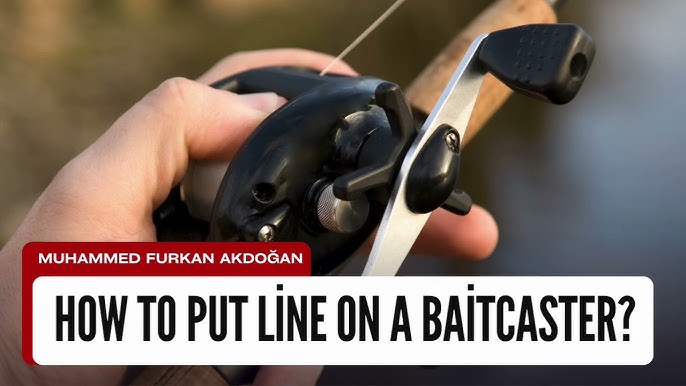
Are you ready to get your fishing rod ready for your next catch but don’t know where to start? Putting line on a fishing rod might seem tricky at first, but with a few simple steps, you can do it quickly and easily.
Imagine the feeling of casting your line smoothly, knowing it’s set up perfectly to help you reel in that big fish. In this guide, you’ll discover exactly how to put line on your fishing rod the right way, saving you time and frustration.
Keep reading, and by the end, you’ll be confident and ready to hit the water!

Credit: www.youtube.com
Choosing The Right Line
Picking the right fishing line is important for a good fishing trip. It helps you catch fish and avoid breaking the line.
There are many types of lines. Each has its own strength and use. This guide will help you choose the best one.
Types Of Fishing Lines
Fishing lines come in three main types: monofilament, fluorocarbon, and braided. Each type works well in different situations.
- Monofilament: Flexible and easy to use. Good for beginners.
- Fluorocarbon: Hard to see underwater. Good for clear water fishing.
- Braided: Very strong and thin. Great for heavy fish and rough areas.
Line Strength And Thickness
Line strength is measured in pounds. It shows how much weight the line can hold before breaking.
Thicker lines are stronger but harder to cast. Thinner lines cast better but can break easily.
- Choose a line strength that matches the fish size.
- Use thinner lines for small fish and light tackle.
- Use thicker lines for big fish and heavy tackle.
Best Line For Different Fish
Different fish need different lines. Pick a line that fits the fish you want to catch.
| Fish Type | Recommended Line Type | Line Strength (lbs) |
|---|---|---|
| Small Fish (e.g., Panfish) | Monofilament | 2-6 |
| Medium Fish (e.g., Bass) | Fluorocarbon or Monofilament | 8-12 |
| Large Fish (e.g., Catfish) | Braided | 15-30 |
| Very Large Fish (e.g., Salmon, Pike) | Braided or Heavy Monofilament | 30+ |

Credit: www.youtube.com
Preparing Your Rod And Reel
Putting line on your fishing rod starts with good preparation. A clean rod and a ready reel help your fishing go smoothly.
Taking time to prepare your equipment saves you from problems on the water. Let’s look at key steps for getting your rod and reel ready.
Cleaning The Rod Guides
Rod guides are the rings on your fishing rod. They guide the line when you cast and retrieve. Dirt or damage in the guides can cause line wear.
Use a soft cloth and mild soap to clean each guide. Check for cracks or rough spots that can cut your line. Replace damaged guides before spooling the line.
- Wipe each guide with a damp cloth
- Use a cotton swab for inside the rings
- Look for any cracks or sharp edges
- Fix or replace damaged guides
Setting Up The Reel
Attach the reel firmly to the rod. Make sure the reel seat is tight to avoid wobbling. Position the reel so the handle feels comfortable in your hand.
Check the drag system on your reel. Adjust the drag to a light setting before spooling. This prevents line damage while you add new line.
- Secure reel on the rod seat tightly
- Ensure the handle is easy to reach
- Set drag to a light or loose setting
- Test the reel’s smooth rotation
Spooling The Reel Properly
Start spooling by tying the line to the reel spool. Keep tension on the line as you wind it on. This helps the line lay evenly and prevents tangles.
Fill the spool almost full, but leave a small gap at the top. Overfilling can cause line to slip off or tangle. Underfilling reduces casting distance.
- Tie the line securely to the spool
- Hold line tight while winding
- Wind evenly without overlapping too much
- Stop when spool is about 1/8 inch from top
Attaching The Line To The Reel
Attaching the fishing line to the reel is an important first step. It ensures the line stays secure while fishing.
This guide will show you how to tie the line properly and check it for safety before use.
Tying The Arbor Knot
Start by wrapping the line around the reel’s spool. Then tie the arbor knot to hold it tightly in place.
- Pass the line around the spool.
- Tie an overhand knot around the standing line.
- Make a second overhand knot in the tag end.
- Pull both knots tight against the spool.
- Trim any excess line from the tag end.
Securing The Line
Once the arbor knot is tied, secure the line further by winding it onto the reel spool. Keep the line tight as you wind it.
| Tip | Reason |
|---|---|
| Keep line tension steady | Prevents loose coils that cause tangles |
| Fill spool evenly | Ensures smooth casting and retrieval |
| Leave some space at the spool edge | Avoids line slipping off the spool |
Checking For Slippage
After securing the line, test for slippage by pulling on the line. If it moves or loosens, retie the knot.
- Pull the line firmly away from the reel.
- Watch the knot and spool for any movement.
- Re-tie the arbor knot if the line slips.
- Ensure the line is tight before fishing.
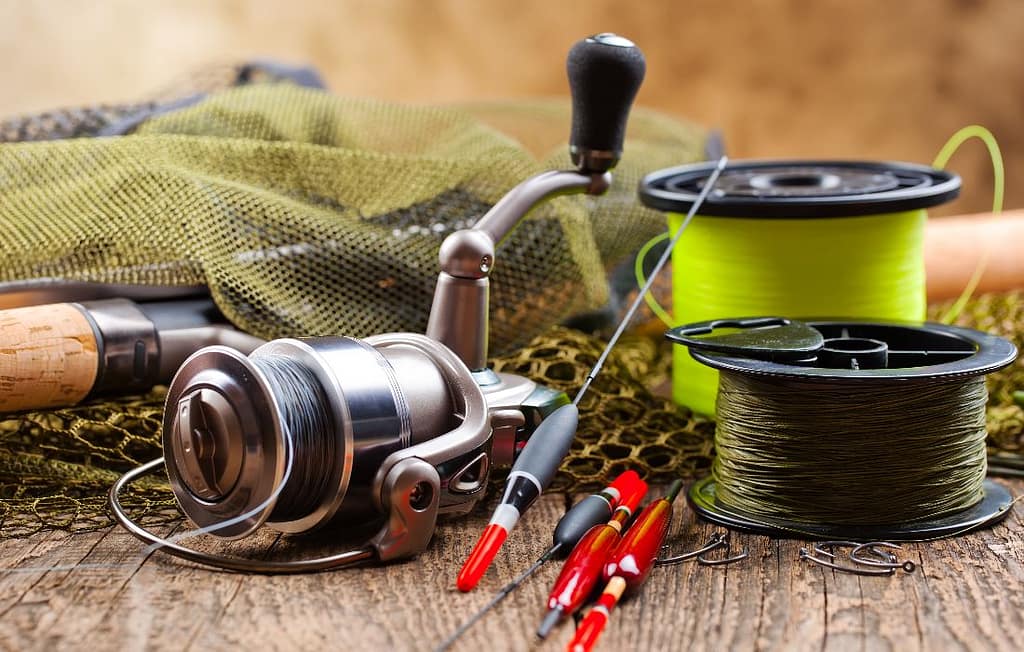
Credit: letsgobassfishing.com
Winding The Line On The Reel
Putting line on a fishing rod reel is an important step. It helps the line stay strong and ready for fishing.
Winding the line correctly prevents problems like tangles and weak spots. This guide covers key tips for winding the line well.
Maintaining Tension
Keep the fishing line tight as you wind it on the reel. Tension stops the line from getting loose or uneven.
You can hold the line between your fingers to control the tension. Make sure it stays firm but not too tight.
Avoiding Twists And Tangles
Twists and tangles happen if the line spins or loops too much. They cause knots and weak spots.
To avoid this, let the line come off the spool smoothly. Use a swivel or let the spool spin freely while winding.
- Check the line for twists before winding.
- Keep the spool steady to reduce spinning.
- Stop and fix any loops or knots right away.
Filling The Spool Correctly
Fill the reel spool evenly with line. Do not overfill or underfill the spool to keep good performance.
Leave about 1/8 inch of space from the spool edge. This space prevents line from slipping off or getting damaged.
- Start by tying the line to the spool.
- Wind slowly and evenly around the spool.
- Stop when the line reaches near the spool edge.
Finishing Touches
After putting line on your fishing rod, some final steps help ensure the setup works well. These steps improve your fishing experience and keep your gear ready.
Pay attention to trimming, testing, and storing your rod properly. These small actions make a big difference in performance and durability.
Trimming Excess Line
Once the line is threaded and tied, trim the extra line near the knot. Leaving too much line can cause tangles or snagging.
- Use sharp scissors or line clippers for a clean cut.
- Leave about 1/8 inch of line beyond the knot to prevent slipping.
- Check that the trimmed end is smooth without frays.
Testing The Line Setup
Test the line by pulling it gently to check the knot’s strength. This ensures the line stays secure during fishing.
| Test Type | What to Check |
| Tug Test | Line tightness and knot security |
| Reel Test | Line smoothness on the spool |
| Cast Test | Line flow through guides without snags |
Storing Your Rod
Store your rod with the line on to keep it ready. Proper storage helps avoid line damage and rod wear.
- Keep the rod in a cool, dry place away from sunlight.
- Loosen the drag on the reel to reduce pressure on the line.
- Use rod sleeves or cases for extra protection.
Tips For Perfect Casting
Putting line on a fishing rod is easy if you follow some simple tips. Good casting depends on proper setup and technique.
This guide will help you adjust your drag, improve casting, and keep your line strong.
Adjusting Drag Settings
The drag controls how much resistance the fish feels when it pulls the line. Set it too tight, and the line may break. Set it too loose, and you may lose the fish.
Start by tightening the drag knob while pulling the line by hand. The line should slip when you apply strong force but hold firm with light pressure.
- Check drag before each fishing trip
- Adjust drag based on fish size
- Use smooth drag settings to avoid sudden breaks
Casting Techniques
Good casting puts your bait exactly where you want it. Hold the rod with a firm but relaxed grip. Keep your wrist steady while casting.
Use a smooth motion to cast. Let the line flow freely off the reel. Practice different casting distances to improve accuracy.
- Use your arm, not just your wrist
- Pause briefly before releasing the line
- Aim for a smooth, flowing cast
Line Maintenance For Longevity
Keep your fishing line strong by cleaning it after every use. Salt and dirt can weaken the line over time. Rinse it with fresh water and dry it well.
Replace old or damaged line regularly. Store your rod and reel in a cool, dry place to avoid damage.
- Check line for nicks or frays before fishing
- Use line conditioner to reduce tangles
- Store your line away from sunlight
Frequently Asked Questions
How Do I Start Putting Line On A Fishing Rod?
Begin by threading the line through the rod guides from tip to reel. Tie the line securely to the reel spool using an arbor knot.
What Type Of Fishing Line Should I Use?
Choose the line based on your fishing style and target species. Monofilament is versatile, fluorocarbon is nearly invisible, and braided line offers strength.
How Much Line Should I Spool On My Reel?
Fill the reel spool to about 1/8 inch below the rim. This prevents line from spilling off during casting.
How Do I Avoid Line Twists On My Fishing Rod?
Use a swivel between the main line and lure to reduce twists. Also, spool the line under tension to prevent tangles.
Conclusion
Properly lining your fishing rod makes a big difference. It ensures smooth casting and reeling. Follow each step with care. Check for tangles and twists. A well-lined rod boosts your fishing experience. It’s all about patience and practice. Soon, you’ll do it like a pro.
Fishing becomes more enjoyable with the right setup. So, gather your gear and hit the water. Enjoy your next fishing adventure with confidence. Happy fishing!