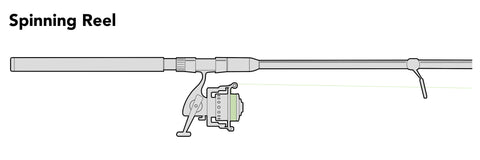
If you love fishing, knowing how to put line on your fishing pole is a skill you can’t afford to miss. Getting it right means smoother casts, fewer tangles, and a better chance to catch that big fish.
Whether you’re new to fishing or just need a refresher, this simple step-by-step guide will make the process quick and stress-free. Keep reading, and you’ll have your fishing line perfectly set up in no time.

Credit: www.youtube.com
Choosing The Right Fishing Line
Choosing the right fishing line helps you catch fish more easily. It also protects your fishing pole and gear.
Many types of fishing lines exist. Each type works best for certain fish and water conditions.
Types Of Fishing Line
Fishing lines come in several types. The main ones are monofilament, fluorocarbon, and braided lines.
- Monofilament:Flexible and good for beginners. It floats on water.
- Fluorocarbon:Hard to see underwater. It sinks and resists abrasion.
- Braided:Very strong and thin. It lasts a long time but is visible in water.
Line Strength And Length
Line strength is called “pound test.” It shows how much weight the line can hold before breaking.
| Fish Size | Line Strength (lbs) | Recommended Length (yards) |
| Small fish (panfish) | 4-8 | 100-150 |
| Medium fish (bass, trout) | 8-12 | 150-200 |
| Large fish (catfish, pike) | 15-30 | 200-300 |
Matching Line To Fishing Conditions
Choose a line that fits water type and fishing style. Clear water needs invisible lines like fluorocarbon.
- Use braided line in thick cover or heavy brush.
- Monofilament works well for general fishing in calm waters.
- Fluorocarbon is best for deep water or clear streams.
Preparing Your Fishing Pole
Putting line on your fishing pole starts with proper preparation. Taking time to clean, inspect, and set up your pole helps avoid problems later.
Each step makes sure your pole works well and lasts longer. Follow these tips to get ready before you add the fishing line.
Cleaning The Reel
Remove dirt and salt from the reel before putting on new line. Use a soft cloth to wipe the outside and a small brush to clean inside parts.
- Take off the spool carefully
- Wipe the reel frame with a damp cloth
- Use a toothbrush to clean hard-to-reach areas
- Dry all parts before reassembling
Inspecting The Guides
Check the guides for cracks or bends. Damaged guides can cut or tangle your fishing line. Replace any guides that look worn out.
| Guide Condition | Action Needed |
| Cracked or chipped | Replace guide |
| Bent out of shape | Adjust or replace guide |
| Clean and smooth | No action needed |
Setting Up The Reel
Attach the reel securely to the rod before spooling the line. Make sure the reel seat is tight and the reel handle turns smoothly.
Here is a quick checklist for setting up the reel:
- Slide the reel foot into the reel seat
- Tighten the reel seat until the reel is firm
- Check that the handle rotates without resistance
- Open the bail arm before attaching the line
Attaching The Line To The Reel
Attaching the fishing line to your reel is a crucial step in preparing for a fishing trip. A secure attachment ensures smooth casting and reeling.
Follow these steps to properly attach the line to your fishing reel, ensuring a successful day on the water.
Tying The Arbor Knot
The arbor knot is essential for securing the line to the reel. It’s simple and effective.
- Wrap the line around the reel spool.
- Tie an overhand knot around the main line.
- Tie a second overhand knot in the tag end.
- Pull both knots tight against the spool.
Securing The Line
Once the arbor knot is tied, you need to ensure the line is secure on the reel. This prevents slipping during use.
Make sure the line is evenly distributed across the spool. Use your thumb to guide the line as you turn the reel handle.
Testing The Attachment
Before heading out, test the line’s attachment to ensure it is properly secured.
- Pull on the line with moderate force.
- Check for any slipping or loosening.
- Adjust and retest if necessary.
With these steps, your line should be securely attached, ready for a successful fishing adventure.

Credit: fishingbooker.com
Spooling The Line
Spooling the line on a fishing pole means putting new fishing line on the reel. It is important to do this correctly for a good fishing experience.
Proper spooling helps avoid problems like tangles and weak line breaks. Let’s look at key steps to spool the line well.
Maintaining Tension
Keep the fishing line tight while spooling it on the reel. Loose line can cause tangles and slipping later.
You can use your fingers or a cloth to hold the line firmly. This helps the line wrap tightly and evenly.
Evenly Wrapping The Line
Wrap the line around the reel spool in smooth, even layers. Avoid putting too much line in one spot.
Move the line guide or your fingers back and forth to spread the line across the spool. This keeps the line balanced.
Avoiding Twists And Tangles
Make sure the line comes off the spool in the right direction. Twisted line can cause knots and tangles when fishing.
Check the line often as you spool. Stop and fix any twists right away to keep the line smooth.
Threading The Line Through Guides
Threading the fishing line through the guides is an important step. It helps the line flow smoothly when you cast.
This guide shows how to thread the line properly to avoid tangles and improve casting.
Starting From The Bottom
Begin threading the line at the bottom of the pole near the reel. This gives you better control over the line.
Make sure the line comes off the reel smoothly before moving to the first guide.
Passing Through Each Guide
Pass the line through each guide one by one from bottom to top. Guides help keep the line aligned.
- Hold the line firmly but gently
- Feed the line through the small loop of each guide
- Move slowly to avoid bending or twisting the line
Checking For Snags
After threading, check the line for any snags or catches on the guides. Snags can cause problems while fishing.
Run your fingers along the line to feel for rough spots or pulls that might slow casting.
Finalizing The Setup
After putting the line on your fishing pole, it is important to finish the setup properly. This ensures your fishing gear works well. Follow these steps to get ready for fishing.
Finalizing the setup involves tying the terminal tackle, adjusting the drag, and testing the line. Each step helps improve your fishing experience.
Tying The Terminal Tackle
The terminal tackle includes hooks, sinkers, and swivels. Tie these carefully to avoid slipping. Use a strong knot to secure the tackle to the line.
- Thread the line through the hook eye
- Make a loop and wrap the tag end around the line five to seven times
- Pass the tag end through the loop near the hook eye
- Moisten the knot and pull it tight
- Trim the excess line close to the knot
Adjusting The Drag
Adjust the drag to control how much line comes off the reel. Set it tight enough to stop big fish but loose enough to prevent line breakage.
| Drag Setting | Purpose |
| Tight | Stops fish quickly |
| Medium | Balances control and line release |
| Loose | Allows fish to pull line freely |
Testing The Line
Testing the line ensures everything is secure and working well. Pull the line with steady force to check knots and drag settings.
Use this checklist for testing your line:
- Check if knots hold tight without slipping
- Make sure the drag releases smoothly under pressure
- Look for any weak spots or damage on the line
- Verify the line runs smoothly through guides
Tips For Line Maintenance
Keeping your fishing line in good shape helps you catch more fish. Proper care prevents line breakage and tangles.
Regular maintenance saves money and improves your fishing experience. Follow these tips to take care of your line.
Regular Line Inspection
Check your fishing line often for damage. Look for cracks, frays, or worn spots that can cause breaks.
Inspect the line after every fishing trip. Small problems can get worse if not fixed early.
- Run the line through your fingers to feel for rough spots
- Look closely for discoloration or weak points
- Check knots and connections for tightness
Replacing Old Line
Replace your fishing line regularly to avoid breaks. Old line loses strength and can snap easily.
Change the line at least once a season, or more if you fish often. Use the right type and strength for your fishing style.
- Remove the old line completely before adding new line
- Spool the new line evenly on the reel
- Tie secure knots to prevent slipping
Storing Your Fishing Pole
Store your fishing pole properly to protect the line. Avoid places with extreme heat or direct sunlight.
Keep the line loose on the reel when storing. Tight line can stretch and weaken over time.
- Use a rod holder or rack to keep poles straight
- Cover the reel to keep dust and dirt out
- Keep poles in a dry area to prevent damage

Credit: www.youtube.com
Frequently Asked Questions
How Do I Choose The Right Fishing Line For My Pole?
Select a fishing line based on your target fish and fishing style. Consider line strength, material, and thickness. Monofilament suits beginners, while braided lines offer durability and sensitivity. Match the line test rating to your pole for optimal performance and fewer line breaks.
What Is The Best Way To Tie Fishing Line To A Reel?
Use the Arbor knot to tie your line securely to the reel spool. Wrap the line around the spool, tie a simple knot, then a second overhand knot. Pull tight and trim excess line. This knot prevents slipping and ensures smooth casting.
How Much Fishing Line Should I Put On My Pole?
Fill the reel spool about 1/8 inch below the rim with line. This allows smooth casting and prevents overfilling. Too little line reduces casting distance; too much causes tangles. Always check your reel’s capacity for the correct amount.
Can I Use Any Fishing Line With Any Fishing Pole?
Not all lines suit every pole. Match line strength to your pole’s rating. Using too heavy a line can damage the pole, while too light a line reduces casting efficiency. Always check the pole’s specifications before selecting a line.
Conclusion
Putting line on a fishing pole is simple with the right steps. Start by choosing the correct line for your fishing needs. Tie the line securely to the reel and spool it evenly. Make sure the line flows smoothly without tangles.
This helps you cast better and catch more fish. Practice a few times to feel confident. Soon, changing your fishing line will feel quick and easy. Enjoy your time fishing with a well-prepared pole.