Are you tired of your fishing line tangling or breaking just when the big catch is on? Knowing how to put line on your fishing reel properly can make all the difference between a frustrating day and a successful fishing trip.
Whether you’re a beginner or just need a quick refresher, this simple guide will walk you through each step. By the end, you’ll have your reel ready and your line perfectly set, so you can focus on what really matters—landing that trophy fish.
Keep reading, and let’s get your fishing gear in top shape!
Credit: monsterbass.com
Choose The Right Line
Choosing the right fishing line is important for a good fishing experience. The line affects how you cast and catch fish.
Picking the right line depends on the type of fishing and the fish you want to catch.
Types Of Fishing Lines
There are three main types of fishing lines: monofilament, fluorocarbon, and braided. Each has its own uses and benefits.
Monofilament is stretchy and easy to handle. Fluorocarbon is less visible underwater. Braided lines are very strong and thin.
- Monofilament: Good for beginners and general use
- Fluorocarbon: Best for clear water and shy fish
- Braided: Great for heavy cover and long casts
Selecting Line Strength
Line strength is measured in pounds and shows how much weight the line can hold. Choose strength based on the fish size.
Use a lighter line for small fish and a stronger line for big fish. Avoid using too heavy a line to keep good casting and sensitivity.
- Light lines (2-8 lbs): Small fish like panfish or trout
- Medium lines (8-15 lbs): Bass and medium-sized fish
- Heavy lines (15+ lbs): Large fish like catfish or pike
Considering Fishing Conditions
Fishing conditions affect the choice of line. Water type, weather, and obstacles matter for line selection.
Clear water calls for low-visibility lines. Rough water or thick plants need stronger, more durable lines.
- Clear water: Use fluorocarbon for less visibility
- Weedy or rocky areas: Use braided line for strength
- Cold or rough weather: Choose a line that stays flexible

Credit: www.bdoutdoors.com
Prepare The Reel
Putting line on a fishing reel starts with good preparation. Getting the reel ready helps the line go on smoothly.
Follow simple steps to prepare your reel before adding new fishing line.
Remove Old Line
Start by taking off the old fishing line from the reel. This clears space for the new line.
Cut the old line near the spool and pull it out carefully. Make sure to remove all old line pieces.
Clean The Spool
After removing the old line, clean the spool where the line sits. Dirt can cause problems when you fish.
Use a soft cloth to wipe the spool. Remove dust, sand, and any sticky residue.
Check The Reel Components
Look over the reel parts before putting on the new line. Check if everything works well and is not broken.
- Test the drag system to ensure it moves smoothly
- Inspect the bail arm for any bends or damage
- Make sure the handle turns without resistance
- Check for loose screws and tighten if needed
Attach The Line To The Spool
Putting fishing line on a reel starts with attaching it to the spool. This step keeps the line from slipping off during casting.
A strong knot and a secure hold are important to avoid losing line or fish.
Tie The Arbor Knot
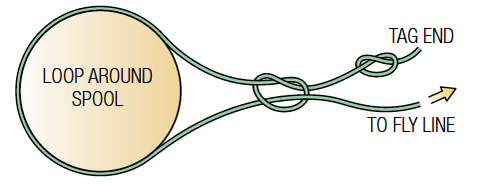
The arbor knot fastens the fishing line to the reel spool. It is simple and very strong for this task.
To tie it, first wrap the line around the spool. Then tie a basic overhand knot around the main line.
- Wrap the line around the spool.
- Make an overhand knot with the tag end.
- Tighten the knot against the spool.
- Tie a second overhand knot in the tag end.
- Pull both knots tight to secure.
Secure The Line Properly
After tying the knot, hold the line tight. Start winding it evenly on the spool with your fingers.
Keep tension on the line to prevent loose coils. Loose line can tangle or slip off during use.
- Hold the line tight while winding.
- Wind the line evenly across the spool.
- Keep constant tension on the line.
- Fill the spool about 80% full.
- Check that the line is secure before fishing.
Spool The Line Correctly
Putting line on a fishing reel is easy if you follow the right steps. Spooling the line correctly helps you fish better.
It is important to avoid problems like tangles and twists. This guide will show you how to spool your fishing reel with care.
Maintain Tension
Keep the fishing line tight while spooling. This stops the line from wrapping loosely on the reel.
You can hold the line between your fingers or use a cloth for grip. Steady tension makes the line sit evenly on the spool.
Wind The Line Evenly
Wind the line in smooth, even layers across the spool. Don’t let the line bunch up in one spot.
Move the line guide back and forth to spread the line. This helps the reel work well and reduces tangles.
- Start slowly to control the line
- Fill the spool to about 90% full
- Keep line layers tight but not stretched
Avoid Line Twist
Line twist causes knots and weak spots. To avoid it, make sure the line comes off the spool the right way.
Use a swivel if needed to stop twisting. Also, check the line often and fix any loops before they get tight.
- Let the line run freely from the supply spool
- Use a swivel to reduce twist
- Keep the spool and reel aligned
Finish And Test
After winding the fishing line onto the reel, it is important to properly finish the setup. This ensures your line stays secure and ready for use.
Testing the setup helps you avoid problems while fishing. Follow these steps to complete and check your reel.
Cut The Line
Trim the fishing line leaving a small tag end. This prevents the line from slipping off the reel.
- Leave about 6 inches (15 cm) of extra line
- Use sharp scissors to get a clean cut
- Tie a small knot at the tag end for extra security
Thread Through Guides
Pull the line through each guide on the fishing rod. This keeps the line straight and prevents tangling.
| Guide Type | Threading Tip |
| Tip Guide | Insert line carefully to avoid damage |
| Middle Guides | Pull line tight but smooth |
| Butt Guide | Secure line firmly before tying knot |
Test The Setup
Check your reel and rod before fishing. Testing helps spot any issues early.
- Hold the rod and pull the line gently
- Turn the reel handle to ensure smooth winding
- Look for any loose knots or line slipping
- Make adjustments if you find any problems
Tips For Line Maintenance
Maintaining your fishing line helps it last longer and perform well. Good care reduces line breakage and improves your catch rate.
Follow simple steps to keep your fishing line in top shape. Proper maintenance keeps your reel ready for every fishing trip.
Regularly Check For Damage
Look over your fishing line before and after every trip. Check for cuts, frays, or weak spots that can cause breaks.
Damaged areas reduce the strength of your line. Replace or fix these parts to avoid losing fish or gear.
- Inspect the line along the whole spool
- Look for discoloration or stiffness
- Check the line near the reel and guides
Replace Line When Needed
Old or damaged line should be replaced quickly. Fresh line gives better casting and strength for catching fish.
Change your line if it feels rough, tangled, or faded. This keeps your fishing reliable and safe.
- Remove old line completely before adding new
- Choose the right line type for your fishing style
- Spool the line evenly on the reel
Store Properly
Store your fishing reel in a cool, dry place to protect the line. Avoid direct sunlight and moisture.
Proper storage keeps the line from weakening or tangling. It also prevents damage to the reel and other parts.
- Keep reels off the floor to avoid dirt
- Use reel covers or cases if possible
- Loosen drag to reduce pressure on the line

Credit: www.youtube.com
Frequently Asked Questions
How Do You Attach Line To A Fishing Reel?
Start by opening the bail arm and tying the line to the spool using an arbor knot. Trim excess line. Close the bail and wind the line evenly onto the spool.
What Type Of Fishing Line Suits Spinning Reels?
Monofilament, fluorocarbon, and braided lines all work well. Choose based on fishing conditions and target species for best results.
How Much Line Should I Spool On My Reel?
Fill the spool about 1/8 inch below the rim. Avoid overfilling to prevent tangles and improve casting performance.
Can I Use Any Fishing Line On My Reel?
Not all lines suit every reel. Match line strength and type to reel specifications for optimal performance.
Conclusion
Putting line on a fishing reel feels tricky, but it isn’t. Follow simple steps and practice. Soon, it becomes second nature. Choose the right line for your reel type. Avoid tangles by spooling correctly. Always check for tightness and even winding.
This ensures smooth casting and reeling. With patience, your fishing trips will improve. Enjoy the process, and happy fishing!