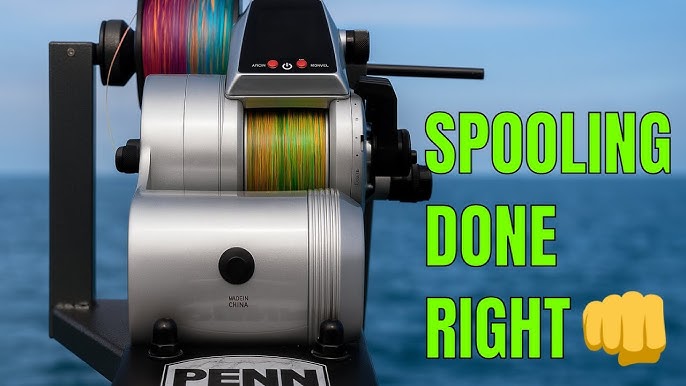
If you love fishing, you know how important it is to have fresh, strong fishing line on your reel. But if you’re not sure how to put new fishing line on your reel the right way, it can feel tricky and frustrating.
Don’t worry—this guide will walk you through every simple step. By the end, you’ll feel confident and ready to cast like a pro. Keep reading to learn the easy tricks that will save you time and improve your fishing experience!

Credit: www.youtube.com
Choose The Right Line
Selecting the proper fishing line is key to a good fishing trip.
Different lines suit different fishing styles and conditions.
Types Of Fishing Line
You can find three main types of fishing line: monofilament, fluorocarbon, and braided.
- Monofilament:Flexible and easy to handle, good for beginners.
- Fluorocarbon:Nearly invisible underwater, strong and abrasion-resistant.
- Braided:Very strong and thin, good for heavy cover and long casts.
Line Weight And Strength
Line weight means the thickness and strength of the line, measured in pounds.
| Line Weight (lbs) | Best For |
|---|---|
| 2-6 | Light fishing, small fish |
| 8-12 | Medium fishing, bass or trout |
| 15-30 | Heavy fishing, large fish or saltwater |
Matching Line To Reel And Rod
Your fishing rod and reel have line weight limits. Use lines within those limits.
- Check the rod’s label for recommended line weight.
- Use a reel that fits the line strength and type.
- Match the line to the type of fishing you plan to do.

Credit: www.youtube.com
Prepare Your Reel
Getting ready to put a new fishing line on your reel is important. Proper preparation ensures smooth casting and retrieval.
Let’s go through the steps to ensure your reel is ready for a new line.
Remove Old Line
First, remove the old line from your reel. This helps prevent tangles and ensures better performance.
- Cut the line close to the spool.
- Use a line cutter or scissors for a clean cut.
- Discard the old line properly to avoid environmental harm.
Clean The Spool
Cleaning the spool is a crucial step. It removes dirt and debris that can affect the line.
Make sure the spool is completely dry before proceeding to the next step.
Inspect The Reel For Damage
Inspect the reel to ensure it is in good working condition. Look for any signs of wear or damage.
| Reel Part | Check For |
| Bail | Proper function |
| Handle | Secure attachment |
| Drag system | Smooth operation |
Address any issues before adding new line to avoid future problems.
Attach The New Line
Putting new fishing line on your reel is important for a good fishing experience. Attaching the line correctly helps it stay secure and work smoothly.
Follow these steps carefully to attach the new line to your fishing reel. This guide covers threading, securing, and tying the right knot.
Thread The Line Through Guides
Start by pulling the new line from the spool. Pass the line through each guide on the fishing rod. Guides are the small rings along the rod that keep the line straight.
- Begin at the tip of the rod.
- Feed the line through each guide down to the reel.
- Make sure the line runs smoothly without twists.
Secure The Line To The Spool
Attach the new line tightly to the reel spool. This keeps the line from slipping while you fish. Use a strong knot or clip to hold it in place.
| Method | How to Do It |
|---|---|
| Arbor Knot | Wrap line around spool, tie simple overhand knot, then tie second knot on tag end and pull tight. |
| Clip Attachment | Use reel clip to hold line end; secure line by wrapping loosely. |
| Double Overhand Knot | Tie two overhand knots close together around spool to prevent slipping. |
Tie The Right Knot
Use the right knot to connect the line to your lure or hook. A strong knot prevents losing fish and gear.
- Choose a knot that suits your fishing style.
- Common knots are improved clinch knot, Palomar knot, and loop knot.
- Practice tying knots before fishing for better skill.
Spool The Line Properly
Putting new fishing line on your reel is important for a good fishing experience. Spooling the line properly makes casting easier and prevents line problems.
Focus on keeping the right tension, not overfilling the spool, and checking the line for twists or tangles as you spool it.
Maintain Tension While Spooling
Keep the fishing line tight as you put it on the spool. This stops the line from winding loosely, which can cause tangles or knots later.
- Hold the line between your fingers with firm pressure.
- Ask someone to help by holding the spool tight.
- Turn the reel slowly to keep the line tight on the spool.
- Check often to keep tension even across the spool.
Avoid Overfilling The Spool
Do not fill the spool too full. Overfilling can cause the line to spill over and tangle during casting or retrieval.
| Spool Size | Recommended Fill Level |
| Small | About 1/8 inch below the edge |
| Medium | About 1/8 inch below the edge |
| Large | About 1/8 inch below the edge |
Check For Twists And Tangles
Watch the line as it goes onto the spool. Twists and tangles can cause casting problems and shorten line life.
- Let the line run off the spool in the same direction it will spool on the reel.
- Stop and fix any loops or knots before continuing.
- Use a swivel if your line tends to twist easily.
- Re-spool if you see many twists forming.
Finish And Test
After putting new fishing line on your reel, you need to finish the setup carefully. Checking the line end and testing the reel ensures smooth fishing.
These last steps help prevent line slips and make sure your reel works well during your next trip.
Cut And Secure The Line End
Trim the extra line from the spool leaving about an inch. Tie a secure knot or use a line clip to hold the end in place. This stops the line from unraveling during use.
- Use sharp scissors to cut the line cleanly.
- Leave enough line to tie a knot or attach a clip.
- Check the knot tightness to avoid slipping.
- Make sure the line end does not snag on reel parts.
Test The Reel Function
Turn the reel handle slowly and listen for smooth sound. Pull the line gently to check the drag system. Make sure the line feeds out without tangles.
| Check Point | What to Do |
| Reel Handle | Turn smoothly without noise |
| Drag System | Adjust and test tension |
| Line Feed | Pull line to confirm no snags |
Prepare For Your Next Fishing Trip
Store your reel in a safe place to avoid damage. Check your tackle box and restock any missing gear. Keep your fishing line dry and clean before the trip.
- Store reel in a padded bag or case
- Inspect hooks, lures, and other tackle
- Keep line spool covered to avoid dirt
- Plan your fishing spot and weather check

Credit: www.amazon.com
Frequently Asked Questions
How Do I Choose The Right Fishing Line For My Reel?
Select a fishing line based on your target fish species and fishing environment. Consider line strength, material, and reel compatibility for best performance.
What Tools Are Needed To Put New Fishing Line On?
You need new fishing line, scissors or line cutters, and a fishing reel. A line spooler tool helps but is optional for beginners.
How Do I Remove Old Fishing Line From The Reel?
Cut the old line near the reel spool. Unwind or pull it out carefully to avoid tangles before loading new line.
How Tightly Should I Spool The New Fishing Line?
Spool the line tightly but avoid over-tensioning. A firm, even wrap prevents line twists and improves casting distance.
Conclusion
Putting new fishing line on your reel is simple and quick. Take your time to wrap the line tightly and evenly. Check for knots or twists before you finish. A good setup helps your fishing work better. Practice a few times to feel confident.
Soon, you will change your line like a pro. Enjoy your time fishing with fresh, strong line. Keep your gear ready and catch more fish.