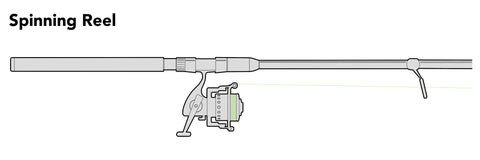
If you love fishing, you know how important it is to have your reel ready to go. Putting new fishing line on a reel might seem tricky at first, but once you learn the simple steps, it becomes quick and easy.
Whether you’re gearing up for your next catch or just maintaining your gear, knowing how to replace your line the right way can save you time and frustration. In this guide, you’ll discover clear, step-by-step instructions that anyone can follow.
By the end, you’ll feel confident and ready to tackle the water with fresh line every time. Keep reading to master this essential fishing skill!

Credit: sportfishinghub.medium.com
Choose The Right Fishing Line
Choosing the right fishing line is important for a good fishing experience. The type, strength, and thickness of the line affect how well you catch fish.
Different fishing lines work best with different rods and reels. Knowing what to pick helps you avoid problems while fishing.
Types Of Fishing Line
There are three main types of fishing line: monofilament, fluorocarbon, and braided line. Each type has special features for different fishing needs.
- Monofilament:Flexible and easy to handle. It stretches, which helps absorb shocks.
- Fluorocarbon:Almost invisible underwater. It sinks faster and resists abrasion.
- Braided:Very strong and thin. It has little stretch and lasts long.
Matching Line To Reel And Rod
Choose a fishing line that fits your reel and rod. The reel’s capacity limits how much line you can use. The rod must support the line’s strength and type.
| Reel Type | Best Line Type | Line Capacity |
|---|---|---|
| Spinning Reel | Monofilament or Fluorocarbon | 100-300 yards |
| Baitcasting Reel | Braided or Fluorocarbon | 100-200 yards |
| Spincast Reel | Monofilament | 100-150 yards |
Consider Line Strength And Thickness
Line strength, or test, shows how much weight the line can hold before breaking. Thickness affects casting distance and visibility to fish.
- Use stronger lines for heavy fish and rough water.
- Thin lines cast farther and are less visible.
- Match line strength with your rod’s power rating.
- Check the label for test weight and diameter.
Credit: monsterbass.com
Gather Necessary Tools
Before you put new fishing line on a reel, gather all the tools you will need. This ensures a smooth and easy process.
Having everything ready saves time and effort. Let’s look at what you need.
Spool Of New Line
The spool of new line is essential. Choose the right type and strength for your fishing needs.
| Line Type | Best Use |
| Monofilament | General fishing |
| Braided | Heavy-duty fishing |
| Fluorocarbon | Clear water fishing |
Scissors Or Line Cutter
Scissors or a line cutter helps you trim the fishing line. This ensures clean ends for easy spooling.
- Use sharp scissors for clean cuts.
- Line cutters are handy for quick trims.
Pencil Or Line Spooler
A pencil or line spooler helps you hold the line spool steady. This prevents tangles and twists while spooling.
Remove Old Line
Removing old fishing line from your reel is important before adding new line. Old line can weaken and cause problems while fishing.
Taking time to clear the reel helps keep your fishing gear in good condition and ready to use.
Release Line From Reel
Start by loosening the drag on your reel. This stops tension on the line and makes it easier to remove.
Next, pull the line off the spool slowly and steadily. Avoid sudden jerks that can damage the reel or line.
- Hold the rod firmly to prevent spinning
- Pull the line in smooth, even motions
- If the line is tangled, cut and remove knots carefully
- Keep the line away from sharp edges on the reel
Dispose Of Old Line Properly
Fishing line can harm wildlife if not thrown away right. Follow these tips to dispose of old line safely.
| Method | Details |
| Recycle | Check local centers that accept fishing line for recycling. |
| Trash Bin | Place line in a sealed container before throwing away. |
| Cut Into Pieces | Cut line into small parts to prevent wildlife entanglement. |
| Do Not Release | Never throw line into water or nature areas. |
Attach New Line To Reel
Putting new fishing line on a reel starts with attaching it properly. This step keeps the line secure during fishing.
Use the right knot and check its tightness to avoid line slips and tangles on the water.
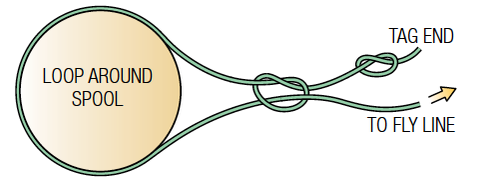
Secure Line With Arbor Knot
The arbor knot is a simple and strong way to tie the line to the reel spool. It holds the line firmly without slipping.
- Pass the line around the spool’s center.
- Tie an overhand knot around the main line.
- Tie a second overhand knot at the tag end.
- Pull both knots tight against the spool.
- Trim any excess line close to the knot.
Check For Tightness
After tying, check if the line is tight and secure. Loose knots can cause problems while fishing.
| Test Method | What to Look For |
|---|---|
| Pull the line gently | Line should not slip or move on the spool |
| Spin the reel | Line stays firmly attached without loosening |
| Inspect knot | No gaps or loose loops around the spool |
Spool The Line Onto Reel
Putting new fishing line on a reel is an important skill for every angler. Proper spooling keeps the line strong and ready for fishing.
This guide will help you spool your line correctly to avoid common problems while fishing.
Maintain Proper Tension
Keep the fishing line tight as you spool it onto the reel. Proper tension prevents loose loops that cause tangles. Use your fingers or a cloth to hold the line firmly.
Avoid Twisting Or Overlapping
Twists and overlaps weaken the line and cause knots. To avoid this, let the line come off the spool in the same direction it goes onto the reel. Check often to keep the line smooth and neat.
- Place the line spool flat or hang it properly
- Match the spool’s rotation direction
- Guide the line evenly across the reel
- Stop and fix any twists immediately
Fill To Recommended Capacity
Do not overfill or underfill your reel. Too much line can spill off and tangle. Too little line lowers casting distance. Check the reel’s label for the right amount.
| Reel Size | Line Capacity (yards) | Recommended Fill Level |
| Small | 100 | 80-90 yards |
| Medium | 150 | 120-135 yards |
| Large | 200 | 160-180 yards |
Cut And Tie Off
After spooling new fishing line on your reel, you need to cut and tie it off properly. This step keeps the line secure and ready for fishing.
Learn how to trim excess line and tie your leader or terminal tackle correctly for a strong setup.
Trim Excess Line
Once your line is wound tightly on the reel, cut off any extra line to avoid tangles. Leave about 6 inches of line past the reel spool.
- Use sharp scissors or clippers for a clean cut.
- Avoid cutting too close to the knot to prevent slipping.
- Check the line is snug on the spool before trimming.
- Keep the trimmed line piece for tying knots or leaders.
Tie Leader Or Terminal Tackle
Tie your leader or terminal tackle to the end of the main line. This connection helps protect the line and improves bait presentation.
| Common Knot | Use | Tip |
|---|---|---|
| Improved Clinch Knot | Attaching hooks or lures | Moisten line before tightening |
| Palomar Knot | Tying leaders or terminal tackle | Keep loop size small |
| Uni Knot | Connecting lines of different thickness | Pull slowly to avoid slipping |
Test The Setup
After putting new fishing line on your reel, you need to test the setup. This ensures everything works smoothly. Testing helps avoid problems when you start fishing.
Check the line and reel carefully. Make sure the line runs without catching or twisting. Also, check the drag system for proper function.
Check Line Smoothness
Pull the line slowly from the reel to feel its movement. The line should move evenly without any jerks or resistance. Watch for any tangles or twists that may cause problems later.
- Hold the rod steady and pull the line with your hand.
- Look for smooth, consistent movement.
- Listen for any unusual sounds like clicking or grinding.
- If the line snags, rewind it carefully to fix the problem.
Ensure Proper Drag Function
The drag controls how much resistance the fish feels when pulling the line. Test the drag by pulling the line and adjusting the drag knob. It should offer steady resistance without slipping or sticking.
| Drag Setting | What to Check | Result |
|---|---|---|
| Low | Line pulls out easily | Drag works, allows smooth release |
| Medium | Moderate resistance to pull | Drag holds line, does not slip |
| High | Strong resistance, line harder to pull | Drag prevents line from pulling out too fast |
Tips For Line Maintenance
Keeping your fishing line in good shape helps you catch more fish. Proper care makes your line last longer.
Check your line often and replace it when it shows signs of wear. This keeps your reel working well.
Regularly Inspect Line
Look at your fishing line before every fishing trip. Check for cracks, frays, or weak spots.
Pay special attention to areas near the reel and hooks. Damaged line can break easily when you catch a fish.
- Run the line through your fingers to feel for rough spots
- Look for discoloration or cuts
- Check for line twists or knots
- Make sure the line is clean and free of dirt
Replace Line When Needed
Change your fishing line if it has many weak spots or looks old. Old line can snap during fishing.
Replace the line at least once a year if you fish often. Use the right type and strength for your reel.
- Remove old line carefully from the reel
- Choose a new line that fits your fishing style
- Spool the new line evenly on the reel
- Cut off any excess line after spooling

Credit: www.youtube.com
Frequently Asked Questions
How Do I Start Putting New Fishing Line On A Reel?
Begin by opening the reel spool and threading the line through the rod guides. Tie the line securely to the spool with an arbor knot. Wind the line evenly onto the spool, maintaining tension to prevent tangles.
What Type Of Fishing Line Is Best For My Reel?
Choose a fishing line based on your target species and fishing style. Monofilament is versatile, fluorocarbon is nearly invisible, and braided line offers high strength. Match the line weight to your reel’s capacity for optimal performance.
How Much Fishing Line Should I Put On The Reel?
Fill the spool about 1/8 inch below the spool rim. Overfilling can cause tangles, while underfilling reduces casting distance. Check your reel’s specifications for recommended line capacity and adjust accordingly.
How Do I Avoid Line Twists When Spooling A Reel?
Spool the line under tension and ensure it comes off the filler spool in the same direction as the reel spool. Using a swivel can help prevent twisting. Regularly check and straighten the line during spooling.
Conclusion
Putting new fishing line on a reel is simple with practice. Take your time and follow each step carefully. A well-spooled reel helps your fishing go smoothly. Avoid tangles and line twists by winding evenly. Regularly changing your line keeps it strong and ready.
Enjoy your fishing trips with confidence and ease. Try this process next time before you fish. You will notice the difference in your casting and control. Fishing becomes more fun and less frustrating this way. Keep your gear in good shape for better results.